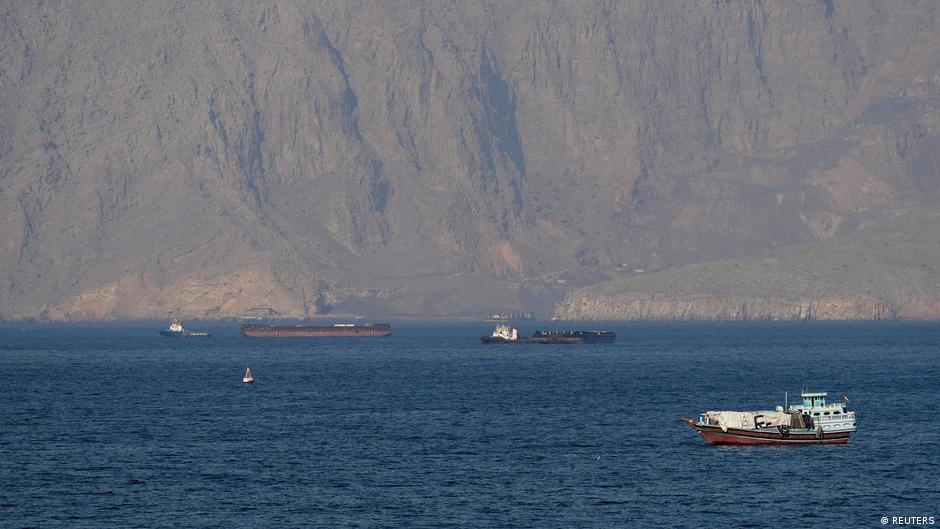
India protested a firing incident involving two India-flagged merchant ships in the Strait of Hormuz and summoned Iran's ambassador, underscoring escalating risk in a critical global shipping chokepoint. TankerTrackers said two Indian vessels were forced back out of the strait, including one VLCC carrying 2 million barrels of Iraqi oil, highlighting potential disruption to oil flows and regional trade. The incident comes as Iran briefly opened then reimposed a blockade on the waterway, raising geopolitical and shipping risk.
This is a classic maritime-risk shock, but the more important market implication is not just higher insurance premia — it is a repricing of reliability for the entire Gulf-to-Asia energy/logistics corridor. Even a short-lived disruption can force shippers to reroute, delay loadings, and self-insure at higher rates, which tightens effective supply for refiners in India, China, and Southeast Asia without needing a sustained blockade. The second-order effect is that carriers with exposure to the region can outperform even if headline oil only moves modestly, because freight and war-risk premiums often reprice faster than crude.
The immediate losers are India-sensitive refiners and import-dependent industrials with low inventory buffers, especially if there is a multi-day repeat of merchant vessel interference. Indian downstream names face a double hit: higher feedstock costs and the possibility of delayed crude receipts, which can compress margins before product prices fully adjust. Over a 1-3 month window, the bigger risk is that buyers diversify away from Hormuz-dependent cargoes, benefiting Atlantic Basin exporters, non-Gulf route capacity, and any asset with optionality to alternative shipping lanes.
The market is likely underestimating the asymmetry between a diplomatic de-escalation and a logistics deterioration: rhetoric can normalize faster than vessel routing. If there is no further incident within 48-72 hours, a good amount of the risk premium may fade; if there is a second event, the move can become self-reinforcing as insurers, charterers, and traders preemptively widen spreads. The contrarian view is that this could be more supportive for freight and defense-adjacent names than for oil itself, because current positioning may already expect some crude volatility while underpricing persistent shipping dislocation.
AI-powered research, real-time alerts, and portfolio analytics for institutional investors.
Request TrialOverall Sentiment
moderately negative
Sentiment Score
-0.40
