
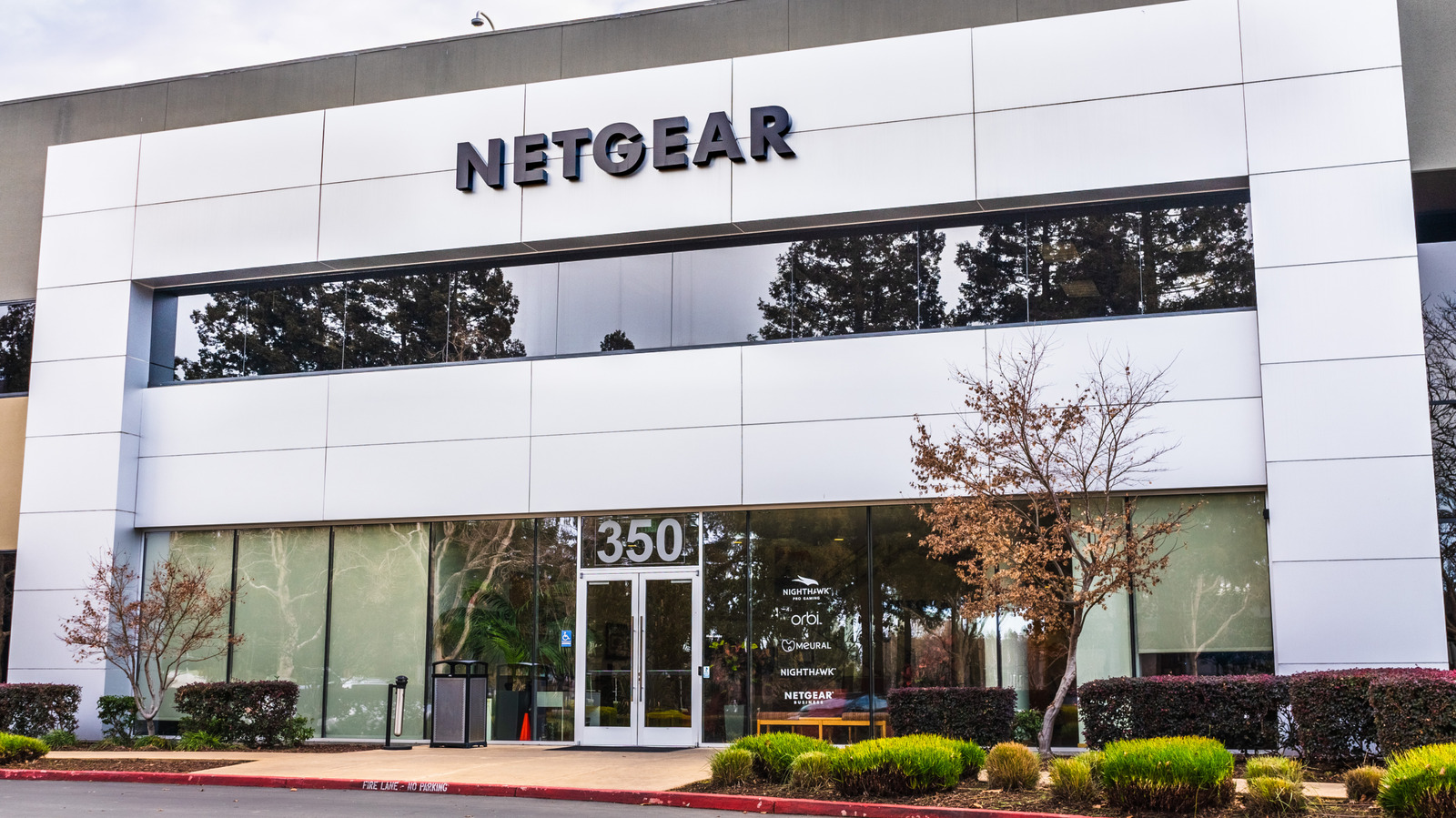
The FCC granted Netgear conditional approval to keep selling foreign-made routers in the U.S., including Orbi and Nighthawk consumer routers, cable gateways, and modems, after reviewing them as potentially important UAS critical components. Adtran’s Service Delivery Gateway routers and the Sees.ai v.USA 1.0 UAS also received conditional approval, but the status only lasts until October 1, 2027. The news is regulatory in nature and supportive for Netgear near term, though the broader market impact is likely limited.
The market is underestimating how narrow this carve-out is: this is less a broad regulatory reprieve than a temporary, conditional exception tied to a defense-adjacent use case. That matters because it turns NTGR from a pure consumer networking story into a policy-sensitive supplier with a second leg of demand that can support near-term sentiment, but it also caps the multiple because investors now have to price in renewability risk around the 2027 review date. The right read-through is not immediate revenue expansion; it is lower probability of a worst-case supply disruption and a modest de-risking of channel inventories over the next few quarters.
Second-order effects likely accrue to peers with foreign manufacturing exposure and limited U.S.-based production flexibility. If the FCC is willing to grant selective approvals to companies that can demonstrate defense-related utility, the competitive disadvantage falls unevenly on smaller router vendors and white-box OEMs that cannot clear the same national-security threshold, potentially accelerating share toward established brands with more diversified compliance resources. For supply chain, the key implication is that manufacturing geography is now a strategic input, not just a cost optimization choice, and that can force higher working-capital and capex intensity across the sector.
The main catalyst path is regulatory: any incremental approvals, adverse reinterpretation of the rule, or denial headlines will move the stock faster than underlying demand data. The tail risk cuts both ways — if the FCC tightens enforcement, NTGR could face sudden channel disruption; if it broadens exemptions, the current benefit becomes diluted and less differentiating. Over 12-24 months, the most important question is whether NTGR can use this window to re-source more production into North America or lock in higher-margin government/security-adjacent volume before the 2027 sunset.
AI-powered research, real-time alerts, and portfolio analytics for institutional investors.
Request TrialOverall Sentiment
neutral
Sentiment Score
0.05
Ticker Sentiment
