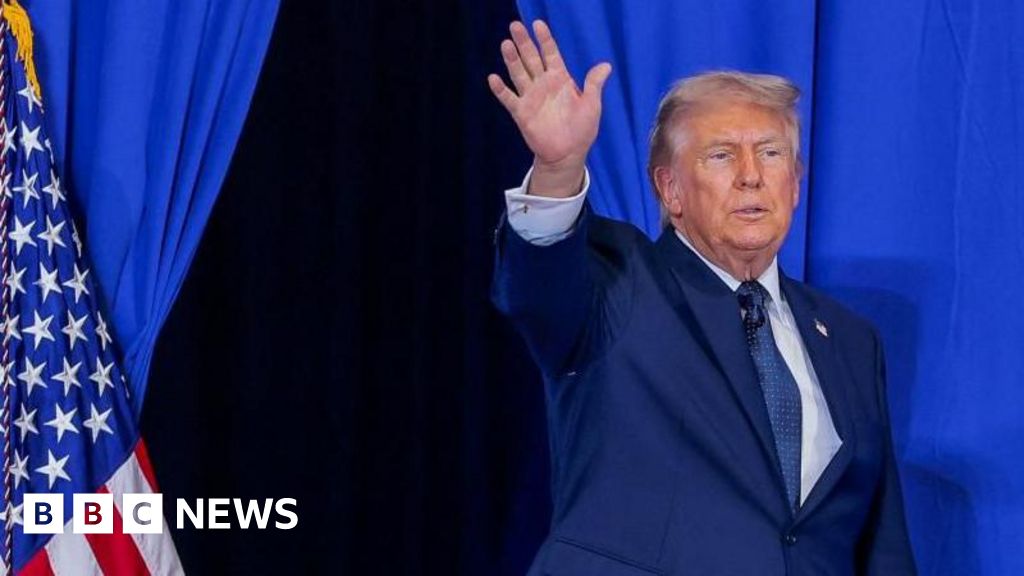
Trump said US-Iran nuclear talks are proceeding but instructed negotiators not to rush, with no deal yet finalized and reported sticking points still unresolved. The standoff keeps Washington's blockade in place and leaves the Strait of Hormuz situation uncertain, a key risk for global oil and LNG flows given the waterway carries about 20% of world trade. Despite some progress on a ceasefire extension and possible reopening of Hormuz, the overall setup remains volatile and geopolitically market-sensitive.
The market is likely underpricing how much a delayed deal extends the current energy risk premium while still leaving room for a sharp downside gap if a memorandum becomes credible. In the near term, the key lever is not a formal agreement but whether shipping-normalization signals reduce the probability of involuntary supply interruption in the Gulf; that would compress crude volatility faster than outright price. The asymmetry is important: a few headlines can erase several dollars of risk premium in hours, but rebuilding it after a false start would take a renewed escalation event.
The bigger second-order effect is on beneficiaries of persistent sanctions friction. If negotiations stall, US Gulf Coast refiners, non-Middle East LNG exporters, and defense/logistics names tied to maritime security retain a structural bid, while global airlines, chemicals, and industrials remain exposed to margin pressure from elevated feedstock costs. A partial opening of Hormuz would not just hit oil; it would also narrow freight insurance and tanker day-rate support, which matters for the entire shadow shipping ecosystem.
Contrarian angle: consensus is treating this as a binary peace/risk-off event, but the more likely path is a prolonged, reversible freeze that keeps physical flows uncertain while removing the most extreme tail. That regime is usually worse for volatility sellers than for outright bears, because every setback can re-price the strip upward, but every constructive headline forces sharp mean reversion. The best risk/reward is therefore in expressions that benefit from lower geopolitical variance rather than a directional call on spot crude alone.
Catalyst window is days, not months: any confirmation of a ceasefire extension or shipping loosening should hit crude, tanker rates, and defense names immediately. The failure mode is also fast—if the talks are seen as stalling, expect another leg in the risk premium with the market quickly revisiting the prior supply-disruption peak.
AI-powered research, real-time alerts, and portfolio analytics for institutional investors.
Request DemoOverall Sentiment
mildly negative
Sentiment Score
-0.15
