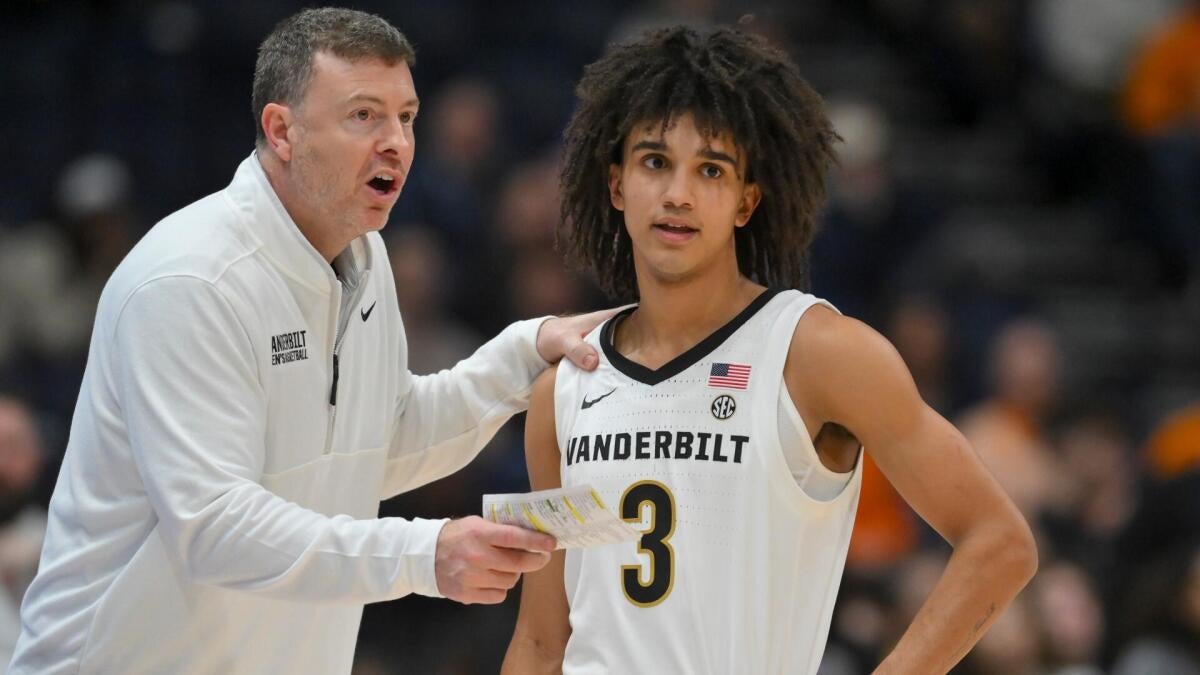
Spread Vanderbilt -2.5 and total 146.5 for the March Madness second-round matchup; SportsLine simulated Nebraska vs. Vanderbilt 10,000 times and projects a combined 157 points (favoring the Over). Game: No.4 Nebraska (27-6, 15-5 Big Ten) vs. No.5 Vanderbilt (27-8, 11-7 SEC) on Saturday at 8:45 p.m. ET in Oklahoma City; money line Vanderbilt -135, Nebraska +113. The model also reports one side of the spread hits nearly 60% of sims, but does not disclose which side without a subscription.
March Madness is a concentrated, high-margin revenue event for broadcasters and sportsbooks; the second-order winners are the ad-sales desks and in-play betting platforms that monetize minute-by-minute engagement rather than rights fees. Live-sports CPMs during marquee tournament windows routinely trade at 2x–3x baseline rates for a 6–8 week earnings uplift, and operators that convert live viewership into in-app engagement capture disproportionate incremental gross margin.
A high-conviction model that moves lines early creates predictable flow: retail chases a moved line while sharp liquidity seeds correlated prop markets (3P and live total bets). That dynamic compresses short-term edge for late movers and amplifies volatility in spreads/props over 48–72 hour windows, creating alpha for market-makers and nimble prop traders but increasing short-term execution risk for directional equity holders.
Tail risks center on model overfitting and variance — single-game randomness can produce large revenue whipsaw across operators across days, not quarters. For investors, time horizons matter: days-to-weeks exposures capture handle-driven upside but are vulnerable to headline reversals and line-fading; multi-quarter views should focus on structural shifts (streaming distribution deals, regulatory outcomes) rather than one-event handle.
Consensus positioning tends to overweight sportsbook operators; the contrarian angle is exposure to the broadcast/advertising capture (and companies that can productize in-play ad inventory), which is underpriced in many cases because investors treat tournament revenue as a short, fungible bump rather than a levered margin driver. Tactical opportunities exist to pair short-duration options on sportsbook equities with longer ad-revenue biased equity exposure to arbitrage timing differences.
AI-powered research, real-time alerts, and portfolio analytics for institutional investors.
Request DemoOverall Sentiment
neutral
Sentiment Score
0.00
