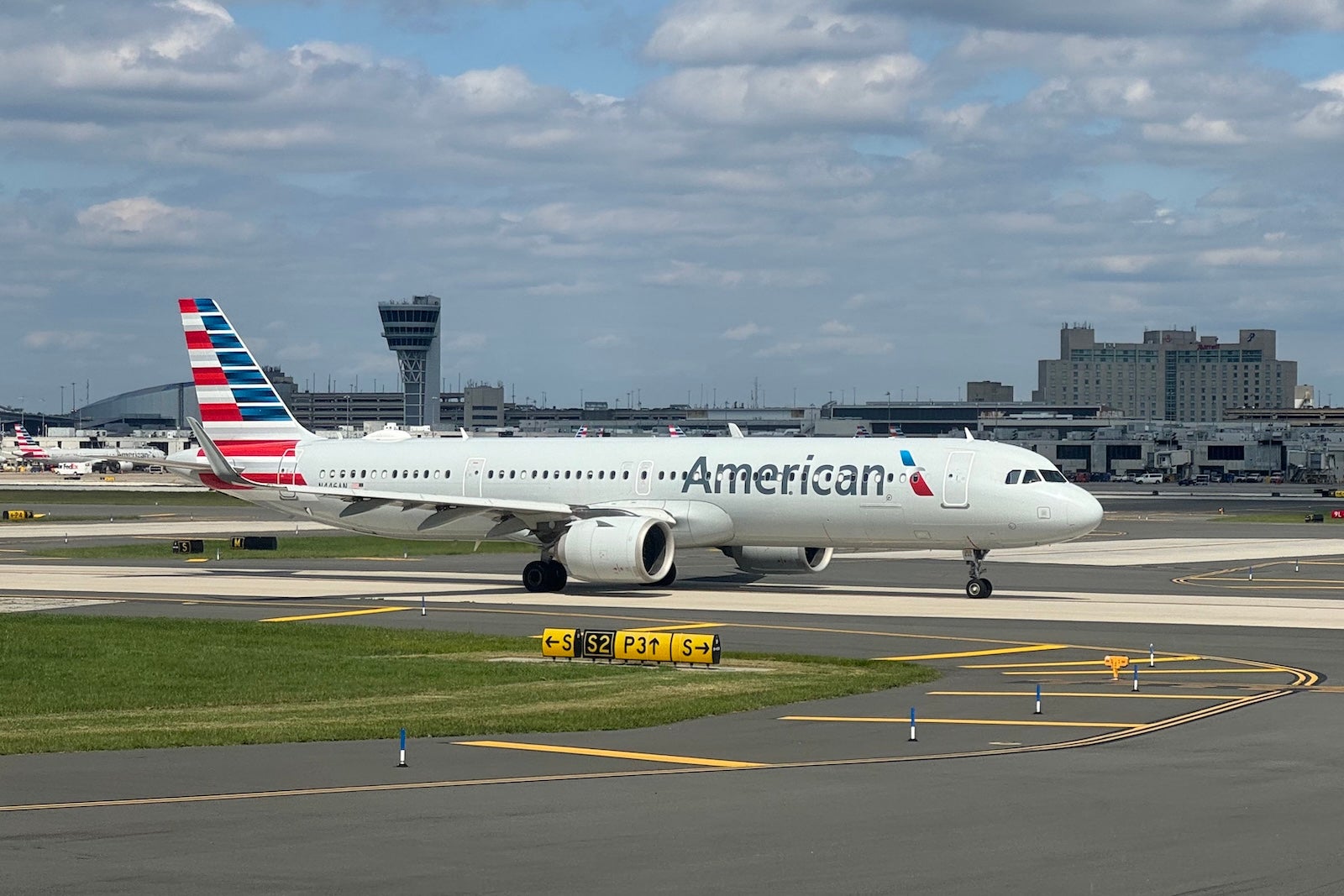
American Airlines will begin installing Starlink Wi-Fi on its planes in early 2027, starting with around 500 single-aisle aircraft and including all new Airbus A321XLR and A321neo deliveries. The upgrade should materially improve onboard connectivity versus its current service, though the rollout excludes much of its Boeing 737 and wide-body fleet for now. The announcement is positive for customer experience and competitiveness, but likely limited in immediate market impact.
This is less about customer satisfaction and more about distribution power shifting toward the lowest-cost connectivity stack. Starlink becomes the premium standard for narrowbody fleets, which should force competitors to either subsidize better hardware, accept inferior UX, or keep fighting a margin-eroding free-Wi-Fi arms race. The hidden winner is the OEM/connectivity ecosystem around retrofits and installation logistics: the bottleneck is certification, downtime, and line-maintenance execution, not satellite capacity.
For American, the key second-order effect is not ticket revenue but loyalty retention and corporate share. Business travelers are the highest-value users of in-flight connectivity, so the move should modestly improve premium cabin stickiness and corporate travel policy compliance over the next 12-24 months. The larger implication is that legacy service providers face a slow but real displacement risk as airlines standardize on lower-latency, more reliable systems; that pressure matters most where existing contracts roll off and where aircraft utilization is highest.
The consensus may be underestimating how uneven this rollout is across fleets. If only the newest single-aisle aircraft get best-in-class connectivity while widebodies remain on older systems, the customer experience gap becomes more visible on long-haul routes where willingness to pay is highest. That creates a two-speed product: good enough on domestic, still frustrating internationally, which limits near-term monetization and may cap the enthusiasm around airline NPS-driven rerating. The catalyst window is 6-18 months, and any slippage in installation schedules or equipment reliability would quickly expose this as a marketing win more than an earnings driver.
AI-powered research, real-time alerts, and portfolio analytics for institutional investors.
Request DemoOverall Sentiment
mildly positive
Sentiment Score
0.25
Ticker Sentiment
