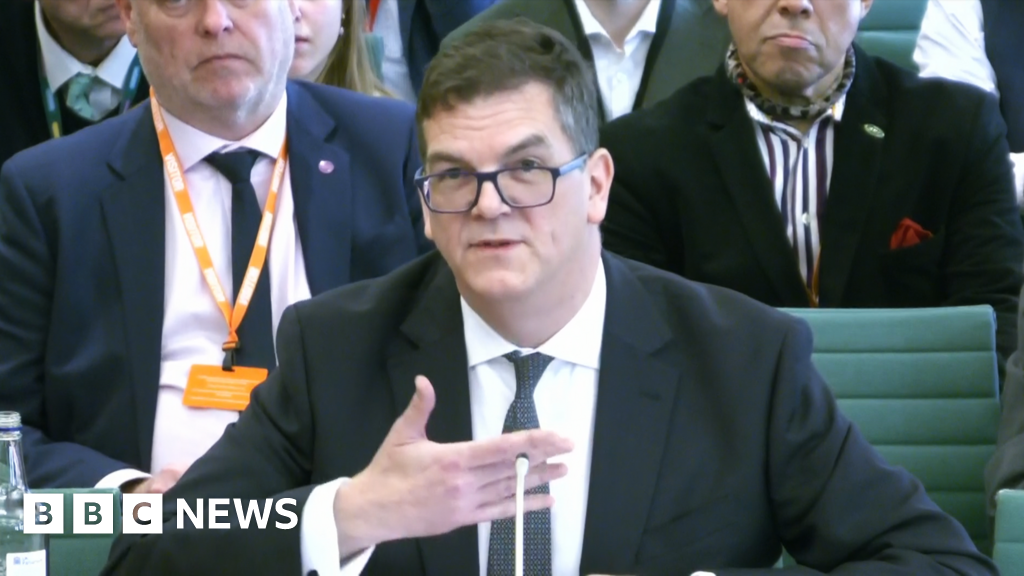
The article centers on a political and governance controversy over Lord Mandelson’s appointment as UK ambassador to the US, with Sir Olly Robbins accusing Downing Street of a "dismissive attitude" to vetting. The dispute involves alleged pressure from No 10, questions over whether security clearance was properly handled, and renewed scrutiny of whether Sir Keir Starmer was informed of the vetting outcome. This is primarily a domestic political issue with limited direct market impact.
The market read-through is not about the personnel story itself; it is about institutional fragility in UK policy execution. When a government appears willing to stretch process for political convenience, the immediate equity-market effect is usually muted, but the medium-term cost is a higher governance discount on UK assets — especially domestically regulated financials, defensives with public-sector exposure, and any company bidding for government contracts. The second-order issue is that civil-service coordination risk rises: if senior officials become more defensive and documentation-heavy, decision cycles lengthen across permitting, procurement, and regulatory approvals.
The more investable angle is FX and rates, not single-name politics. A credible erosion of ministerial discipline tends to cheapen sterling at the margin because it raises the probability of policy noise without improving growth credibility; that matters most versus the dollar and in the front end of the gilt curve if investors start demanding a small governance premium. The effect should be modest unless it broadens into a wider narrative of leadership weakness or further disclosures, but even a 1-2% GBP move can matter for UK midcaps with large import costs and for overseas earners translated back to sterling.
Contrarian view: this may be less of a regime shift than a one-off ethics/governance flare-up. If the story stays confined to process failures rather than systemic malfeasance, the selloff in UK assets should fade quickly, especially because the opposition lacks a clean governance premium either. The true tail risk is not resignation headlines; it is a cascading confidence loss among senior civil servants that slows state capacity over the next 3-6 months, which would quietly hurt UK growth-sensitive domestics more than headline polling would suggest.
AI-powered research, real-time alerts, and portfolio analytics for institutional investors.
Request TrialOverall Sentiment
mildly negative
Sentiment Score
-0.20
