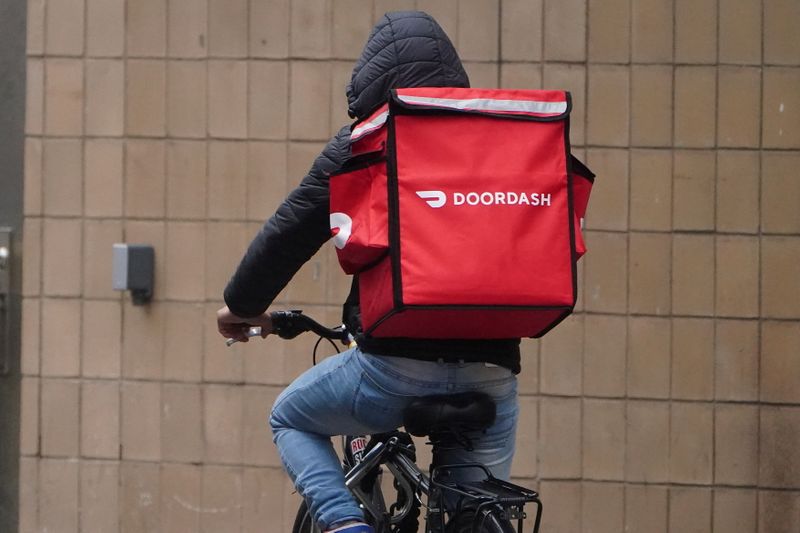
TD Cowen initiated DoorDash at Buy with a $225 price target, implying about 27% upside. Analysts expect revenue to grow roughly 18% annually through 2030, supported by expansion into grocery, retail and advertising, plus international growth from Deliveroo and Wolt. Key risks include competition from Amazon, Uber Eats and Instacart, as well as regulatory uncertainty around gig economy labor models.
The cleaner read-through is that DASH is evolving from a take-rate story into a local commerce platform with multiple monetization levers, which can justify a higher multiple if order frequency compounds faster than delivery labor inflation. The market usually underprices how much ad inventory and merchant services can offset subsidized logistics: each incremental ad dollar drops through at materially higher margin than core delivery revenue, so the earnings mix can improve even if top-line growth merely stays mid-teens.
The second-order beneficiary is the local merchant ecosystem, not just food delivery. As DASH pulls grocery and retail into the same consumer wallet, it increases switching costs and data density, which can reduce CAC and improve conversion for adjacent categories; that is structurally negative for point solutions that rely on a single use case. AMZN is the key strategic overhang here: if Amazon leans harder into same-day and local convenience, it can compress the growth window for everyone in the category, but it also validates the market size and forces more rational capital allocation from slower competitors.
The main risk is not competition in the abstract but mix deterioration: grocery and retail expand order frequency, yet they tend to be operationally heavier and less forgiving on substitutions, refunds, and labor utilization. That means the next 2-3 quarters matter more for unit economics than the next 2-3 years; if contribution margin expands without a step-up in promo intensity, the stock can rerate quickly, but any evidence of rising consumer incentives or delivery cost pressure would cap upside.
Consensus is likely underestimating the advertising flywheel. If ad load scales with merchant count and search intent, margin expansion can persist even if active-user growth slows, making the company less dependent on pure volume growth than the market assumes. My read is the current setup is bullish but not fully de-risked: the stock is more attractive on pullbacks than on chase strength because the valuation already embeds a lot of platform optimism, while execution risk around international integration and local regulatory friction remains real.
AI-powered research, real-time alerts, and portfolio analytics for institutional investors.
Request DemoOverall Sentiment
moderately positive
Sentiment Score
0.55
Ticker Sentiment
