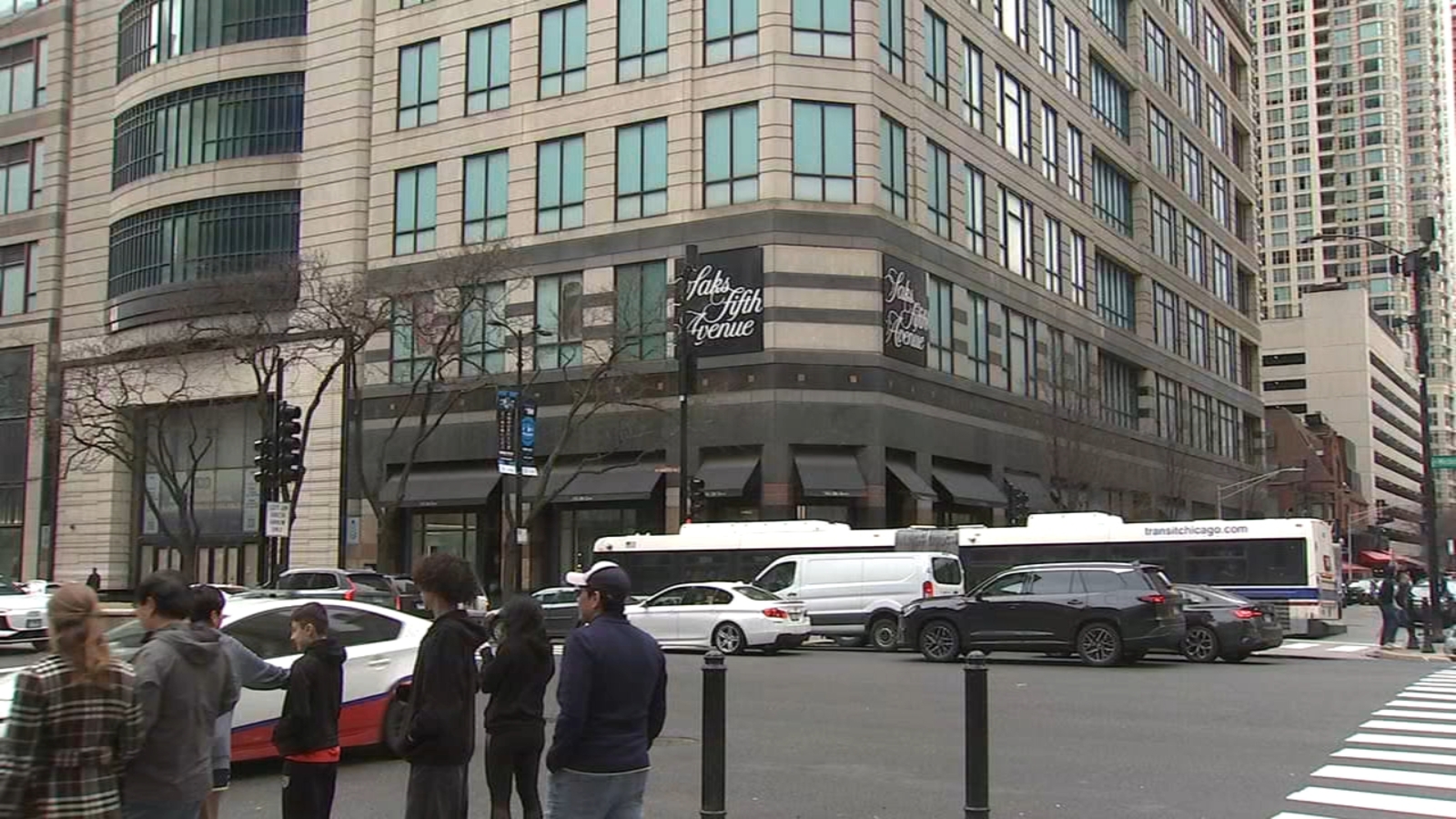
Saks Global is closing 12 Saks Fifth Avenue stores nationwide, including the iconic Magnificent Mile location in Chicago, and is also shutting three Neiman Marcus stores as part of its Chapter 11 restructuring after filing for bankruptcy in January. Chicago's Neiman Marcus on Michigan Avenue will remain open; the closures span multiple states (OH, MD, CA, NV, NY, NC, FL, MO, VA) and reduce the company's retail footprint, increasing near-term execution and liquidity risks.
The bankruptcy-driven retrenchment among legacy luxury department channels is a structural accelerant for two durable themes: redistribution of high-margin sales into brand-owned digital channels and increased demand for proximate logistics/fulfillment capacity to handle returns and liquidation flows. Expect a measurable shift in urban foot-traffic patterns — core tourist corridors will see a 10–20% decline in weekday passersby over the next 6–12 months, compressing concession and F&B revenue for adjacent tenants and raising short-term vacancy risk for landlords tied to experiential retail.
Landlords with development optionality and strong balance sheets are positioned to capture second-order upside by converting large-format footprints to last-mile distribution, gyms, or experiential anchors; that redeployment typically requires 12–36 months but can lift NAV per share materially versus a straight lease-reversion play. Conversely, mall operators concentrated in high-end downtown locations face outsized re-tenanting costs, temporary rent roll declines and increased capital intensity to retrofit space, pressuring AFFO for 2–4 quarters.
Financially, expect gift-card and return liabilities to create transient liquidity mismatches for issuers and unsecured creditors, elevating short-term default cascades among smaller concessionaires; however, luxury-brand owners with healthy margins will accelerate direct-to-consumer capex, benefiting marketplaces and resale ecosystems. Key catalysts to watch are holiday-season spend trends (90-day), quarterly lease renegotiation outcomes (3–9 months), and municipal permitting/labor availability for conversions (12–36 months) which can materially alter winners and losers.
AI-powered research, real-time alerts, and portfolio analytics for institutional investors.
Request DemoOverall Sentiment
strongly negative
Sentiment Score
-0.65
