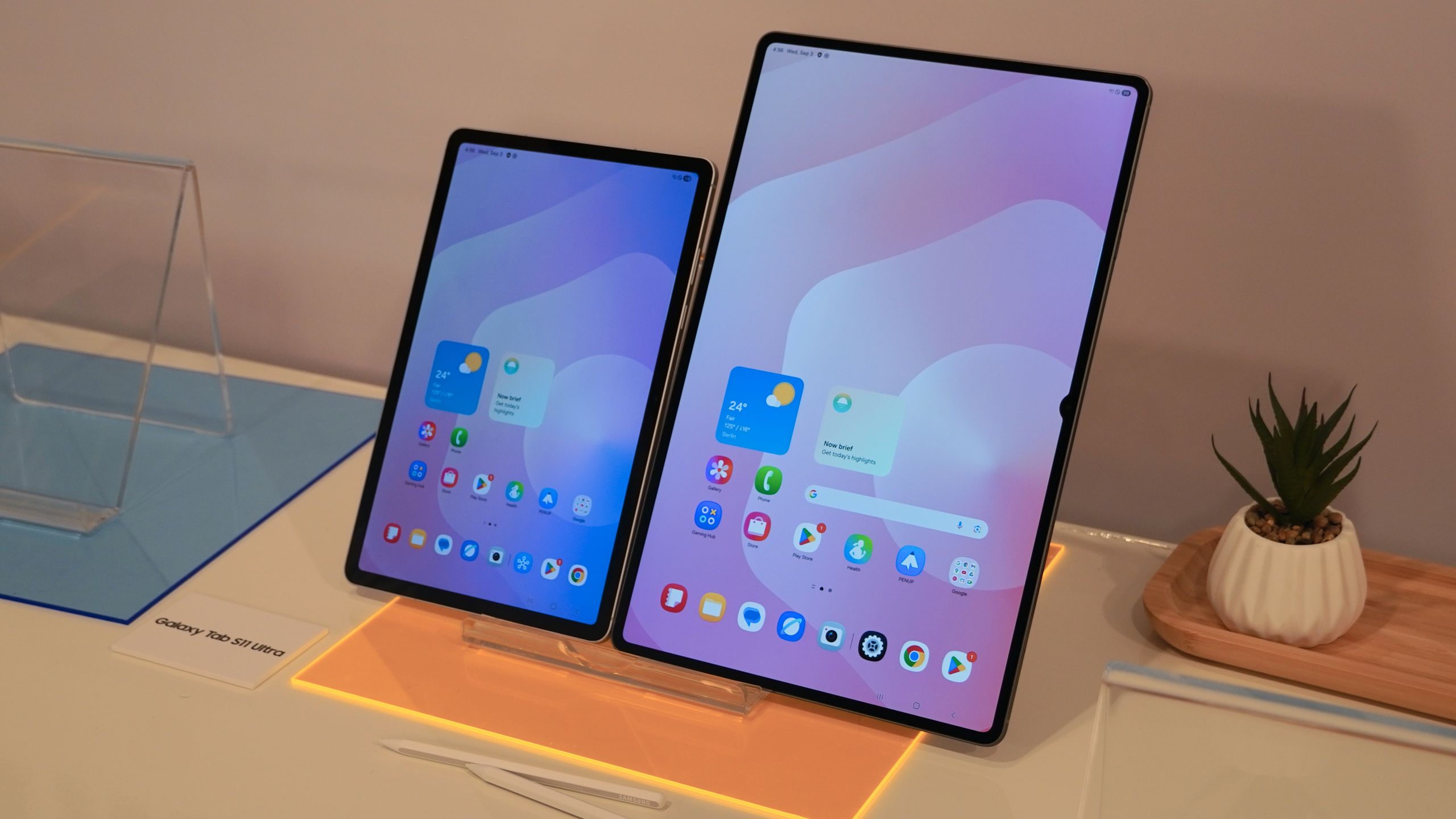
Samsung has raised U.S. prices across multiple Galaxy products, with the Galaxy Tab S11 Ultra 1TB up $280 to $1,899 and the Galaxy Z Flip 7 512GB up $80 to $1,299. Other increases include the Tab S11 series, Tab S10 family, Tab A11 Plus variants, the S25 Edge to $1,299, and the S25 FE to $749. The article frames the hikes as a sign that AI-related component costs are pressuring hardware pricing and potentially resetting consumer price expectations.
The key market signal here is not “phones got more expensive,” but that Samsung appears to be using older inventory as the test balloon for a broader memory-cost pass-through regime. That matters because if the company is willing to reprice last-gen devices, it is implicitly telling us it has less willingness to absorb BOM inflation in future launches; the next marginal dollar of DRAM/NAND cost is more likely to show up in the sticker price than in margin compression. For component suppliers, that is constructive near term, but for handset OEM demand elasticity the risk is delayed, not immediate: price resistance typically shows up first in upgrade deferrals over the next 1-2 product cycles, especially in premium tablets and foldables where replacement urgency is weakest.
The second-order effect is competitive rather than absolute. Samsung’s move creates room for Apple, Google, and Chinese Android OEMs to frame their own pricing as “stable” or better value, which can steal share at the high end even if category unit demand stays soft. More importantly, the move could accelerate mix-down: consumers who would have traded up to premium SKUs may shift toward midrange devices or stretch replacement cycles, pressuring average selling prices across the broader Android ecosystem over the next 2-4 quarters.
The near-term beneficiaries are memory and storage vendors if this is indeed the start of a sustained AI-driven input-cost regime; the losers are handset OEMs with weaker pricing power and carriers subsidizing expensive hardware. The contrarian read is that the market may be overestimating the pass-through durability: if macro consumer demand softens or if DRAM supply improves faster than expected, OEMs will be forced to eat part of the cost inflation, and the current sticker shock becomes a margin headfake rather than a new pricing floor. Watch for follow-on pricing from other premium Android vendors within 30-60 days; if they do not follow, Samsung risks isolating itself and losing share before it meaningfully expands gross profit.
AI-powered research, real-time alerts, and portfolio analytics for institutional investors.
Request DemoOverall Sentiment
moderately negative
Sentiment Score
-0.34
