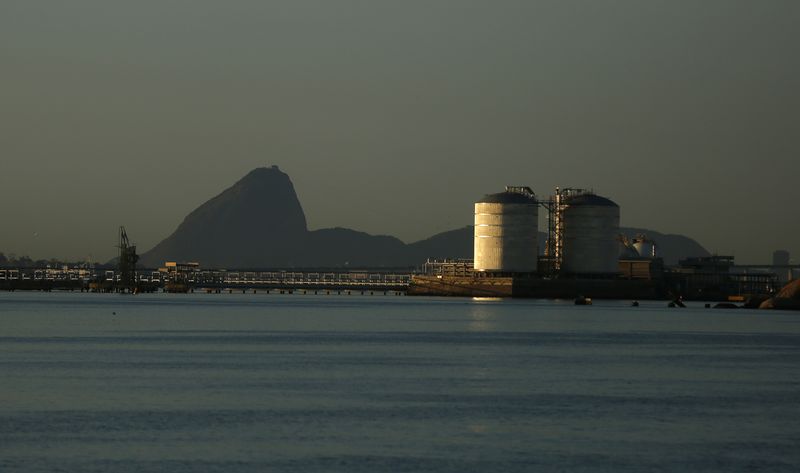
Goldman says ~80 mtpa (~19% of global LNG) is offline after Strait of Hormuz flow halts and a Qatar shutdown, and expects Q2 TTF to reach 63 EUR/MWh (current ~51 EUR/MWh) with potential moves into the 57–84 EUR/MWh oil-switching range. At least 10 mtpa is being diverted to Asia, European storage is at 18% of capacity and April injections are tiny (~0.6 bcm, ~84% below April 2025), leaving limited offset options and a high risk of imminent physical tightening that could drive further prompt TTF rallies.
European prompt gas tightness is likely to amplify volatility in power and commodity margins over the next 4–12 weeks rather than create a steady structural uptrend. With storage shallow and Atlantic reroutes lengthening voyage times, the prompt curve should trade in stronger backwardation, amplifying front-month gamma for market-makers and forcing utilities to lean on fuel switching and demand-side measures. This creates skew in short-dated option markets and large basis moves between NW Europe hubs and Mediterranean/Atlantic delivery points.
The most material second-order winners are charter owners and midstream operators who capture higher freight and regas fees as cargoes detour to Asia; beneficiaries see cashflow lift sooner than commodity producers because charters reprice quickly. Conversely, European merchant fertilizer and ammonia producers face margin compression and potential idiosyncratic shutdown risk if prices stay elevated into the spring application season — that produces knock-on effects into shipping of feedstock and inland logistics. Expect power spark spreads to oscillate violently: generators with flexible coal assets will capture interim profits but face political/regulatory pushback if coal burn spikes.
Key reversals are binary and time-bound: a rapid normalization of Qatari output or an amelioration of the Strait transit could relieve prompt tightness within 2–6 weeks, while coordinated policy responses (price caps, rationing or expedited LNG reallocations) would shorten the window. Conversely, a protracted outage or colder-than-normal late spring would push TTF into multi-month price discovery, forcing larger structural reallocations of LNG cargo economics and likely re-rating exposed equities within 1–3 quarters.
AI-powered research, real-time alerts, and portfolio analytics for institutional investors.
Request DemoOverall Sentiment
moderately positive
Sentiment Score
0.30
Ticker Sentiment
