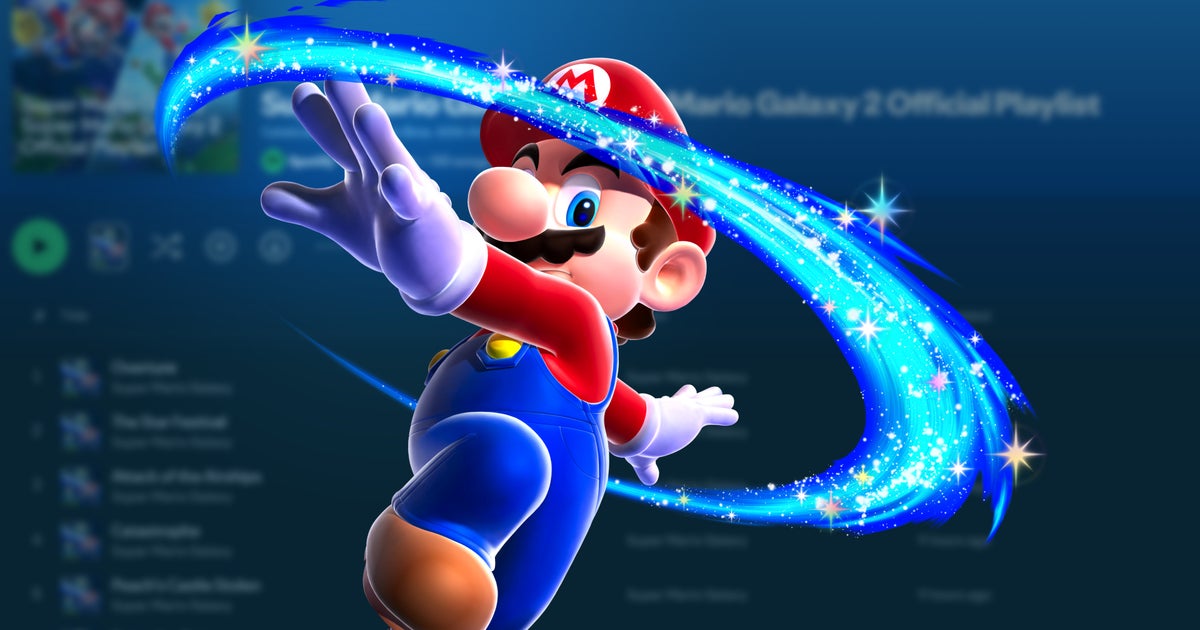
Nintendo has uploaded a limited selection of Super Mario Galaxy 1 + 2 soundtrack tracks to Spotify for the first time, marking its first major streaming-service music release. The move appears tied to marketing around The Super Mario Galaxy Movie and may be a test of demand for broader distribution beyond Nintendo Music. The deal is limited-time and Spotify-exclusive, so the direct market impact is likely modest.
This is a low-dollar, high-leverage distribution test for SPOT rather than a meaningful revenue line item. The real value is not soundtrack monetization; it is incremental engagement from a globally recognized IP that can nudge dormant users back into the app and improve retention metrics around a marquee content event. If the experiment works, it strengthens Spotify’s pitch to other rights holders that it can act as a discovery layer for franchise ecosystems, not just a commodity audio utility.
The second-order effect is competitive positioning versus closed or niche music ecosystems. Nintendo’s own app already cap-tures control and monetization, so a Spotify deal implies the company is probing whether broad top-of-funnel reach can coexist with a more controlled back-end. That is bullish for Spotify’s catalog breadth narrative, but also highlights a structural constraint: the company still depends on third-party content owners for differentiated usage moments, which limits pricing power and makes event-driven content more important than secular music listening growth.
The market may overestimate the durability of this upside. Because the access window is temporary and narrowly scoped, the likely outcome is a short-lived engagement spike rather than sustained MAU or ARPU uplift, which means any equity reaction should fade if there is no follow-on rollout within 4-8 weeks. The contrarian setup is that the move is small enough to be dismissed, but if Spotify can convert even a tiny fraction of Nintendo traffic into paid or reactivated users, the customer acquisition efficiency is materially better than paid marketing at scale.
Tail risk cuts both ways: if rights holders conclude Spotify is effective as a promotional surface, SPOT could see more exclusive, time-boxed drops over the next 6-12 months; if the experiment is deemed cannibalistic to proprietary apps, this becomes a one-off. The key catalyst to watch is whether Nintendo extends the initiative to additional franchises or other platforms, which would turn a novelty into a repeatable distribution framework.
AI-powered research, real-time alerts, and portfolio analytics for institutional investors.
Request TrialOverall Sentiment
mildly positive
Sentiment Score
0.15
Ticker Sentiment
