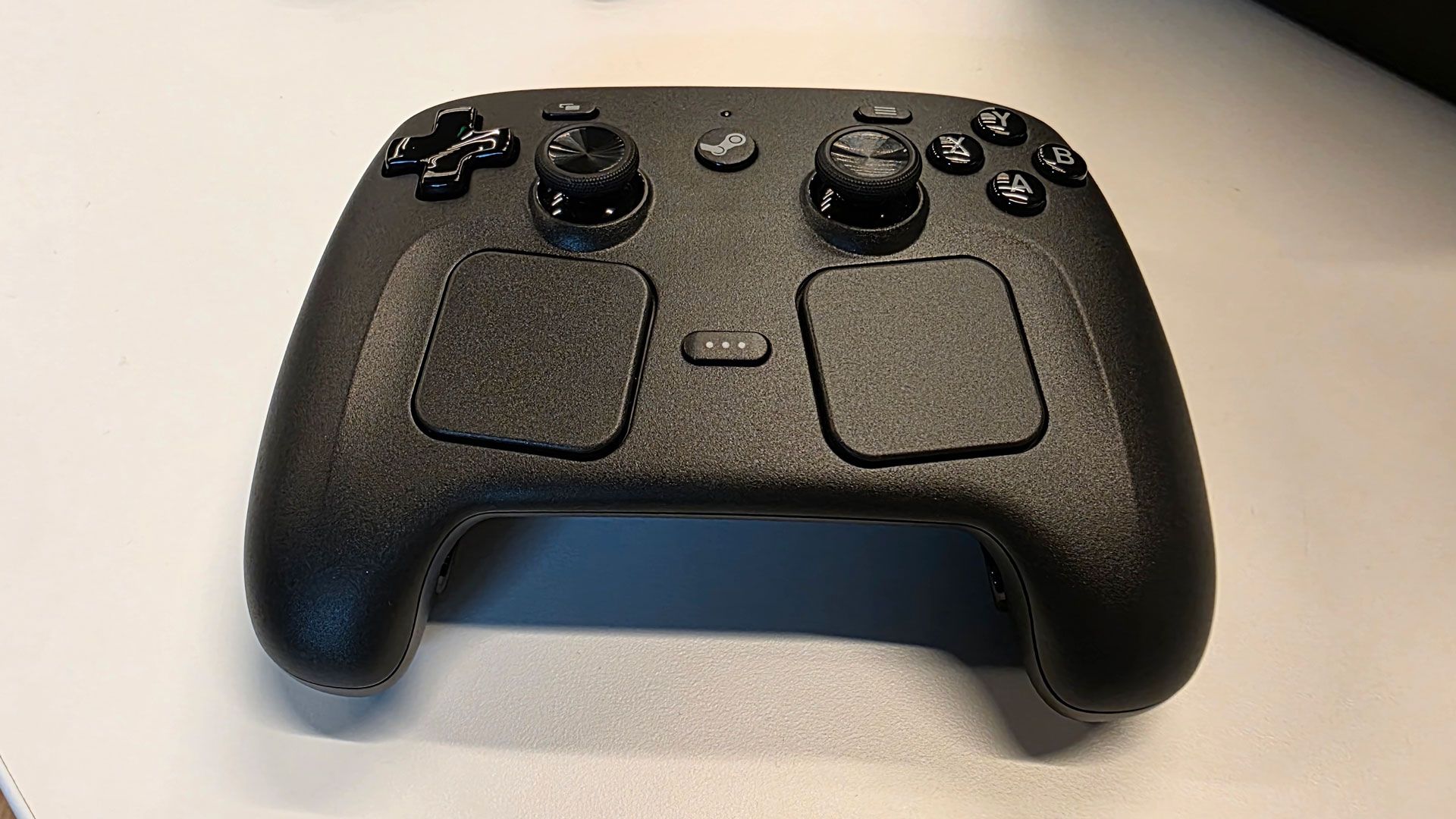
Valve’s leaked Steam Controller review points to a $99 MSRP, making it more expensive than the PS5 DualSense at $74.99, Xbox Wireless Controller at $64.99, and Nintendo’s Pro Controllers at $79.99 to $89.99. The article frames the pricing as relatively high but notes the controller’s dual trackpads as a differentiating feature. Valve has not announced an official release date for the new hardware, leaving launch timing uncertain.
The pricing signal matters more than the controller itself: a $99 peripheral suggests Valve is optimizing for margin discipline rather than ecosystem share, which implies the broader hardware push is less of a subsidized platform land grab and more of a high-ASP, low-volume niche strategy. That makes the near-term upside to Sony modestly negative at the margin, but not structurally threatened; the real issue is that any SteamOS living-room build now has a higher attachment-cost barrier, which could suppress accessory attach rates and limit the installed base expansion thesis.
For SONY, the second-order effect is mixed. On one hand, a premium PC-console controller priced above first-party console controllers reinforces the value of entrenched PlayStation hardware ecosystems where the controller is already “good enough” and bundled economics matter. On the other hand, if Valve’s hardware launch underwhelms on price, PC-to-living-room migration slows, which reduces the odds of a meaningful substitution away from PlayStation in discretionary TV gaming over the next 12-18 months.
The bigger catalyst is not the controller price, but whether this reading foreshadows the Steam Machine BOM. If Valve is unwilling to compress margins on accessories, it likely won’t eat costs elsewhere either; that raises the probability of a launch that is technically compelling but commercially constrained. In that scenario, the market may have been too optimistic on a broad Steam hardware halo trade, and the disappointment window is likely days to weeks around formal pricing/launch disclosures.
Contrarian view: the market may be over-indexing on sticker shock and underestimating willingness to pay among the exact user base that values trackpads and Steam integration. If Valve can demonstrate that the controller is meaningfully better for certain PC-native workflows, the demand curve could be less elastic than comparison-shopping against DualSense suggests. The risk to the bearish read is that a small but sticky enthusiast segment can support premium pricing without needing mass-market adoption.
AI-powered research, real-time alerts, and portfolio analytics for institutional investors.
Request TrialOverall Sentiment
neutral
Sentiment Score
-0.05
Ticker Sentiment
