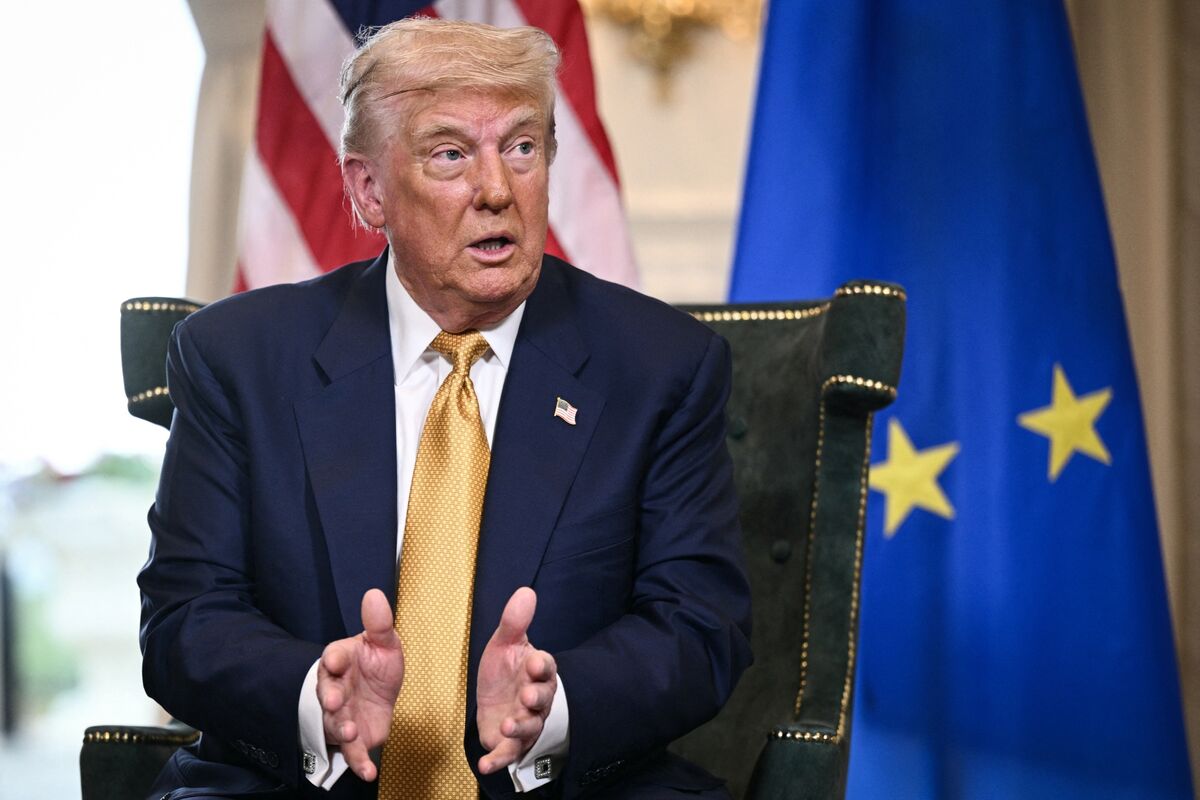
The US and EU are formalizing a trade deal, with a joint statement indicating potential tariff cuts on European cars within weeks and broader reductions on other goods. This agreement, building on a preliminary deal, outlines specific benchmarks for the EU to secure sector-specific discounts in automotive, drug, and semiconductor industries, alongside new cooperation commitments on food standards, economic security, and digital trade, signaling a significant step towards deeper transatlantic economic integration.
The United States and the European Union are advancing a trade pact from a preliminary stage to a more formalized agreement, signaling a significant de-escalation in transatlantic trade friction. According to a joint statement, the most immediate impact is a potential reduction in tariffs on European cars within weeks, a development reflected in the strongly positive sentiment score of 0.65. The agreement's scope extends beyond the automotive sector, establishing specific benchmarks for the EU to achieve tariff discounts for pharmaceuticals and semiconductors. Furthermore, the pact institutionalizes deeper cooperation on food standards, economic security, and digital trade, suggesting a strategic move towards more profound and durable economic integration between the two major blocs, with material implications for supply chains across these key industries.
AI-powered research, real-time alerts, and portfolio analytics for institutional investors.
Request DemoOverall Sentiment
strongly positive
Sentiment Score
0.65
