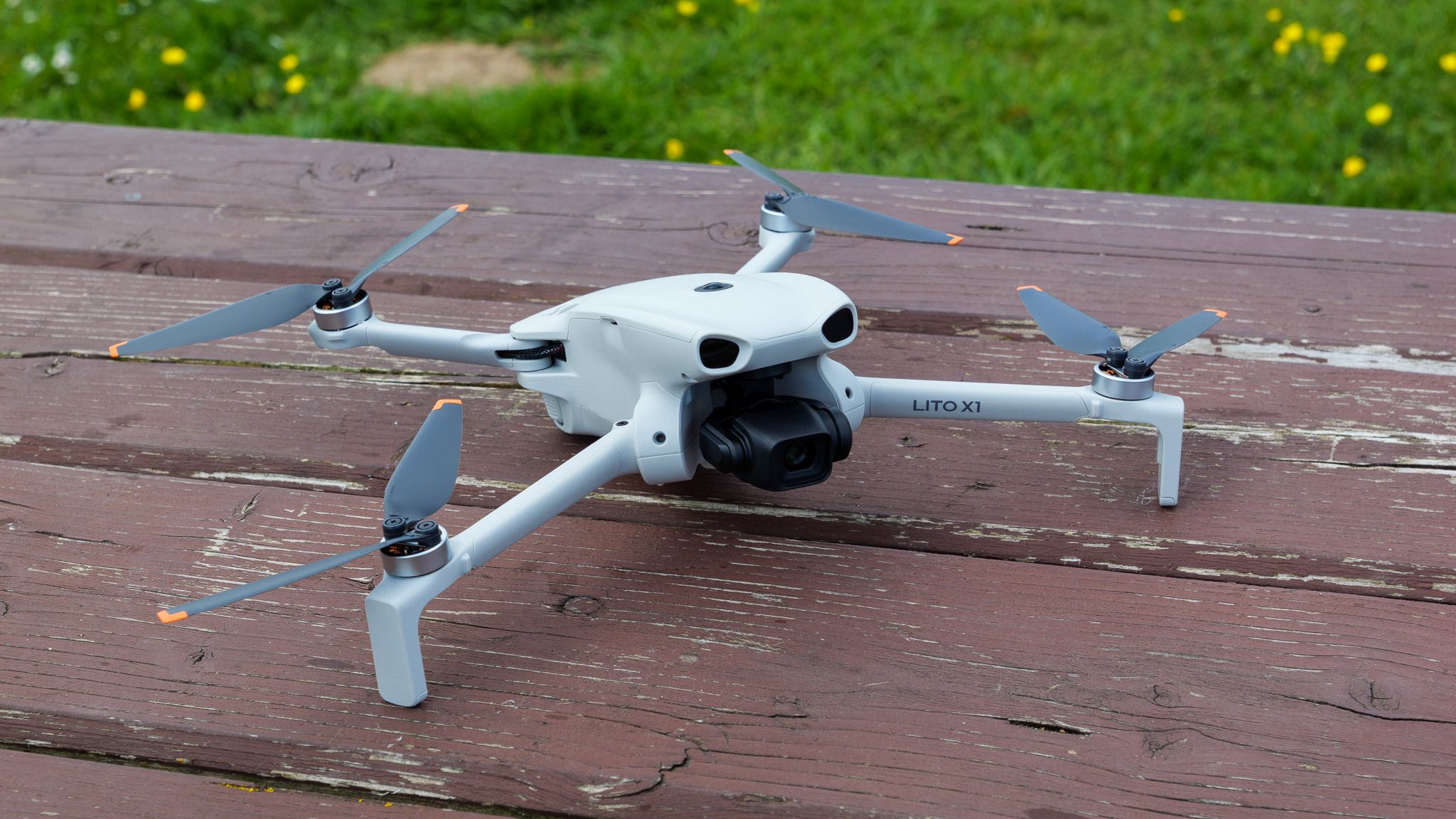
DJI's new Lito X1 is positioned as a materially improved beginner drone versus the Mini 4K, with a 48MP 1/1.3-inch sensor, 4K/60fps video, 42GB internal storage, and up to 36 minutes of flight time. It also adds omnidirectional obstacle sensing, forward LiDAR, and more advanced automated flight modes, though it costs £369 versus £242 for the Mini 4K. The article is product-focused and likely low market impact, but it reinforces DJI's competitive positioning in entry-level consumer drones.
This looks less like a product refresh and more like DJI continuing to segment the entry-level ladder to upsell first-time buyers into higher-margin bundles. The economic signal is that the company is willing to keep a lower-priced “good enough” SKU alive while using materially better sensing, onboard storage, and automation on the new model to widen the perceived gap; that tends to lift average selling price without requiring a total addressable market expansion. The biggest second-order effect is channel mix: retailers will likely push the older model as a clearance/value item, which can temporarily pressure street pricing and obscure the true demand trend for the newer platform.
The competitive implication is not primarily against other drone brands, but against substitute devices and “good-enough” creators’ workflows. Better obstacle avoidance and follow-me features reduce the skill burden, which should pull in casual outdoor users who previously defaulted to action cams or smartphones; that expands the use case from hobby flying to active content capture. The longer-duration battery option matters less as a consumer feature than as a behavioral one: it increases the chance that users complete a full recording session, which raises retention and accessory attachment.
The near-term risk is that the market underestimates regulatory fragility. The sub-250g category is a sweet spot precisely because it avoids registration friction, so any battery/configuration changes that push effective weight above threshold can sharply reduce the product’s value proposition in some jurisdictions. Another risk is that the launch premium gets competed away within 1-2 quarters as discounting on the older model compresses the gap; if that happens, the upgrade trade becomes more about mix than unit growth.
Contrarian view: the new model may be better for enthusiasts, but the incremental buyer may still choose the cheaper unit because beginner demand is price elastic and safety features are undervalued ex ante. If so, the real winner is the ecosystem, not the flagship SKU: batteries, cases, memory cards, and controller bundles should see the highest attach rate, while the premium drone itself becomes a halo product that helps clear inventory across the line.
AI-powered research, real-time alerts, and portfolio analytics for institutional investors.
Request TrialOverall Sentiment
mildly positive
Sentiment Score
0.35
