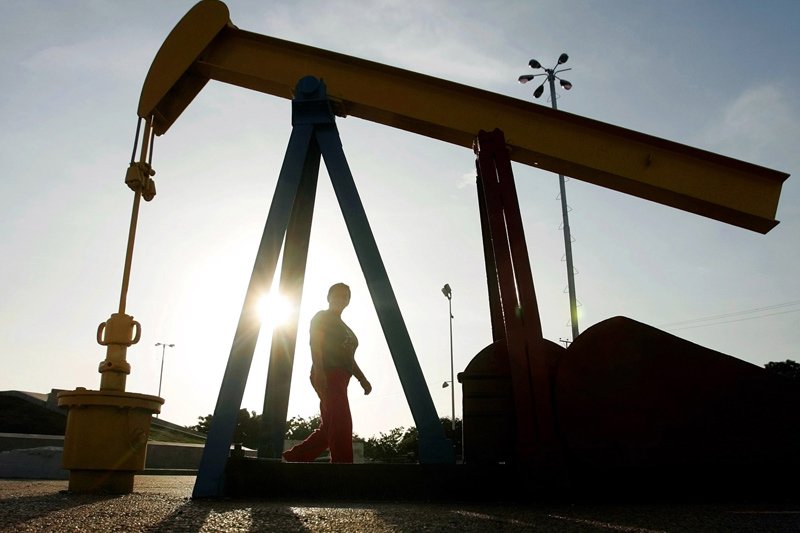
Brent crude topped $115/bbl and WTI neared $100/bbl after reports that Iran is weighing transit fees and new restrictions on vessels using the Strait of Hormuz, a chokepoint carrying ~20% of global oil and LNG. Iranian lawmakers and senior advisers signaled potential tolls and the ability to bar ships from states that sanction Tehran, raising the risk of sustained supply disruptions, higher oil prices and broader market volatility.
The threat of Iran monetizing or selectively denying access to the Strait is a supply-friction shock that raises delivered barrel costs through three mechanisms: longer voyages (Cape of Good Hope reroutes), elevated war-risk insurance, and higher freight rates. Conservative near-term math: a full reroute adds ~10–14 days' sailing and the combined insurance/freight premium is plausibly equivalent to $3–9/bbl to Asian delivered prices, which compresses spare-import margin and forces regional refiners to compete or shut runs.
Second-order winners are those that capture margin without relying on vulnerable transit corridors: US export-oriented producers and storage/terminal owners who can arbitrage Atlantic flows; VLCC/tanker owners who benefit from freight dislocations; and defense/security suppliers tied to naval presence. Losers include refiners and petrochemical players in import-dependent Asian hubs, lines with open exposure to Gulf fixtures, and commodity traders with concentrated single-port positions — sanctions and compliance costs also raise operating risk for international shipping firms.
Timing and tail risks are asymmetric. An operational incident or enforcement of tolls can lift premiums in days and sustain them for months if reciprocal interdiction follows; conversely, diplomatic de‑escalation, an SPR coordinated release or rapid re-routing of cargo origination can blunt the move within 4–12 weeks. Policy enactment that legally empowers interdiction is a longer-tail event (months–years) and would shift capital: more spending on pipelines, storage and non-Hormuz export infrastructure.
The market likely overshoots on persistent supply loss but underestimates transient logistical winners. Tactically prefer defined-risk option structures and pair trades that capture freight and producer upside while shorting exposure to import-dependent refining and passenger airlines; avoid long-duration pure crude long positions without hedges because political outcomes remain binary and resolution timelines uncertain.
AI-powered research, real-time alerts, and portfolio analytics for institutional investors.
Request DemoOverall Sentiment
strongly negative
Sentiment Score
-0.60
