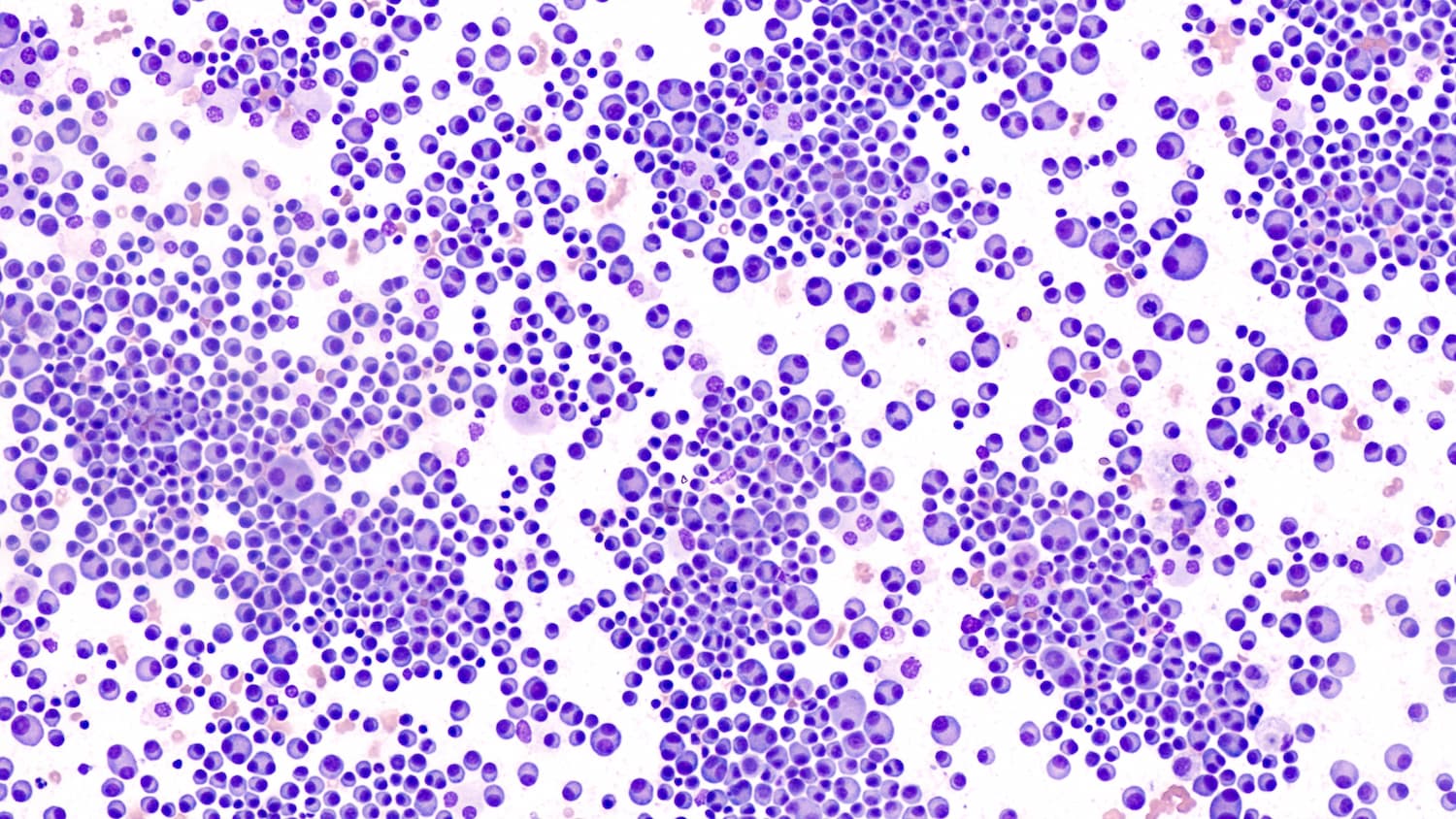
In the Phase 3 MajesTEC-3 trial, teclistamab plus subcutaneous daratumumab and hyaluronidase (Tec‑Dara) produced a dramatic improvement versus investigator‑choice daratumumab regimens (DPd/DVd) in relapsed/refractory multiple myeloma (1–3 prior lines), cutting risk of progression or death by ~83% at 36 months (HR 0.17; 95% CI 0.12–0.23; P<.0001) and showing sustained survival with >90% of 6‑month survivors alive at 30 months. Tec‑Dara also delivered substantially higher depth of response (CR or better 81.8% vs 32.1%; OR 9.56), overall response (89.0% vs 75.3%) and MRD‑negativity (58.4% vs 17.1%), and doubled median treatment duration (32.4 vs 16.1 months), albeit with high rates of infections and grade ≥3 TEAEs that were manageable with prophylaxis and dosing adjustments. The FDA has granted breakthrough therapy designation and Johnson & Johnson has filed a supplemental BLA; if approved, the regimen could become a steroid‑sparing, outpatient standard of care as early as second line for RRMM.
The Phase 3 MajesTEC-3 trial demonstrated a large efficacy advantage for teclistamab plus subcutaneous daratumumab and hyaluronidase (Tec-Dara) versus investigator‑choice daratumumab regimens (DPd/DVd) in relapsed/refractory multiple myeloma after 1–3 prior lines: risk of progression or death was reduced by ~83.3% at 36 months (HR 0.17; 95% CI 0.12–0.23; P < .0001), overall response rate was 89.0% versus 75.3% (OR 2.65), complete responses or better were 81.8% versus 32.1% (OR 9.56), and MRD‑negativity was 58.4% versus 17.1% (OR 6.78). These magnitude of differences and the observation that >90% of patients alive at 6 months remained alive at 30 months indicate substantial depth and durability of response.
Tec‑Dara patients had median treatment duration twice that of standard regimens (32.4 vs 16.1 months) and reported longer symptom‑free intervals and improved patient‑reported quality of life; Johnson & Johnson has received FDA breakthrough therapy designation and filed a supplemental BLA, making regulatory milestones the immediate commercial inflection points. The regimen’s outpatient, steroid‑sparing profile increases likelihood of rapid adoption if approval and payer coverage follow.
Safety signals remain a material consideration: grade ≥3 treatment‑emergent adverse events were frequent and any‑grade infections occurred in 96.5% vs 84.1% of patients (Tec‑Dara vs DPd/DVd), although investigators reported reduced new‑onset severe infections after protocol amendments (dosing every 4 weeks, prophylaxis, IgRT). Real‑world tolerability, infection‑management logistics, and reimbursement will therefore determine net clinical and commercial impact.
AI-powered research, real-time alerts, and portfolio analytics for institutional investors.
Request DemoOverall Sentiment
strongly positive
Sentiment Score
0.82
