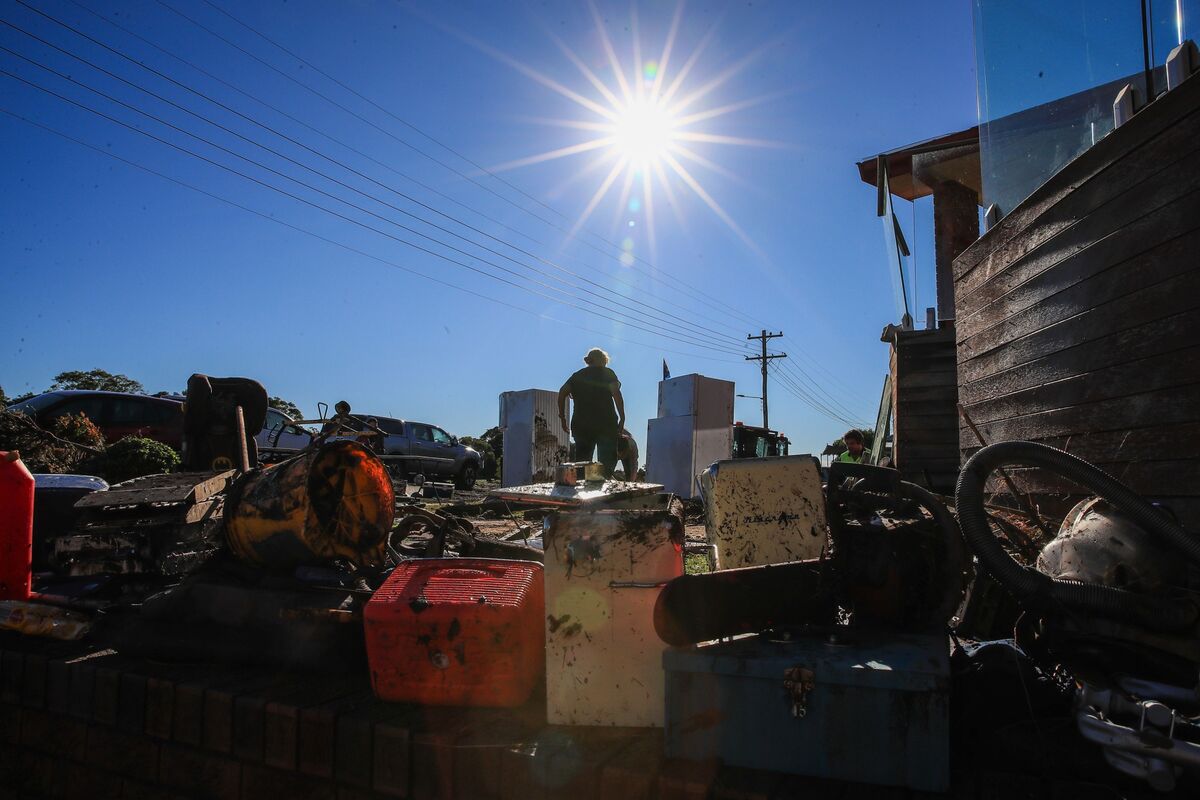
Australia is mobilizing emergency service teams nationwide to assist with cleanup efforts in New South Wales following severe flooding, with approximately 200 personnel specializing in water rescue and damage assessment being deployed. Despite receding floodwaters, around 32,000 residents remain isolated, indicating a prolonged recovery period and potential economic disruption in the affected regions.
Severe flooding in Australia's New South Wales necessitates a substantial cleanup operation, with national emergency services deploying nearly 200 additional specialist personnel for tasks including water rescue and damage assessment. The ongoing isolation of approximately 32,000 residents, despite slowly receding floodwaters, points to a prolonged recovery period and significant logistical challenges. This event is anticipated to cause localized economic disruption, primarily through infrastructure damage, business interruptions, and substantial rebuilding costs. The moderately negative sentiment (-0.5) reflects the severity, while the market impact score (0.3) suggests that while the regional impact will be considerable, broader market reverberations are currently expected to be limited, though secondary effects on specific sectors warrant monitoring.
AI-powered research, real-time alerts, and portfolio analytics for institutional investors.
Request DemoOverall Sentiment
moderately negative
Sentiment Score
-0.50
