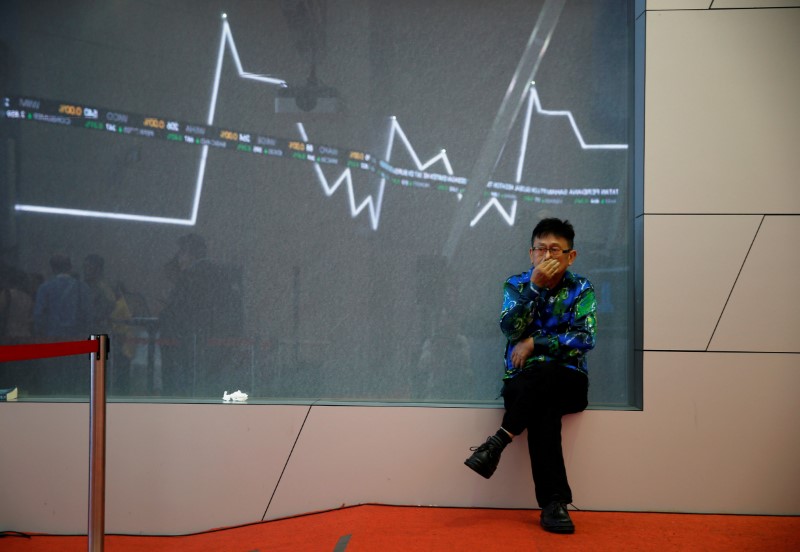
Indonesia's IDX Composite rose 0.04% on Monday, with gains led by Infrastructure, Financials and Agriculture despite a mixed broader session. Crude oil strengthened, with June WTI up 2.69% to $96.94 and July Brent up 2.94% to $102.04, while June gold slipped 0.32% to $4,725.60. USD/IDR eased 0.13% to 17,183.10 and the US Dollar Index Futures fell 0.22% to 98.15, underscoring a relatively stable risk backdrop.
The cleanest read-through is not “Asia risk-on,” but that global duration and commodity sensitivity are both being bid at once. That combination usually favors balance-sheet quality and pricing power over pure beta: exporters and financials can benefit from easier USD funding and a softer dollar, while higher energy is a margin tax on consumers and industrials. In Indonesia specifically, the dispersion inside the tape is a warning that this is still a stock-pickers’ market, not a broad macro breakout.
The oil move matters more than the equity move. If crude sustains this leg, the second-order winners are upstreams, shipping, and domestic inflation hedges; the losers are airlines, chemicals, and discretionary retail with thin gross margins. For EMs with current-account sensitivity, a 3-5 week oil shock can quickly overwhelm the modest tailwind from a weaker dollar, so the market’s initial “risk-on” interpretation may fade if energy keeps grinding higher.
The geopolitical premium is the key catalyst path over the next 1-4 weeks: any escalation that threatens supply routes would extend the bid in energy and pressure rates-sensitive, import-dependent sectors. But if tensions stabilize, crude should mean-revert faster than equities because positioning is likely chasing headlines rather than fundamentals. That creates a useful asymmetry: long the energy hedge, short the parts of the market most exposed to input-cost inflation and EM macro drag.
The broader contrarian view is that record highs in developed Asia can coexist with a weakening earnings setup if oil stays elevated. Investors may be underestimating how quickly higher freight, power, and feedstock costs feed into Asian margins, especially for firms without FX pass-through. In other words, the tape is telling you to own inflation beneficiaries, not chase the index.
AI-powered research, real-time alerts, and portfolio analytics for institutional investors.
Request DemoOverall Sentiment
neutral
Sentiment Score
0.15
Ticker Sentiment
