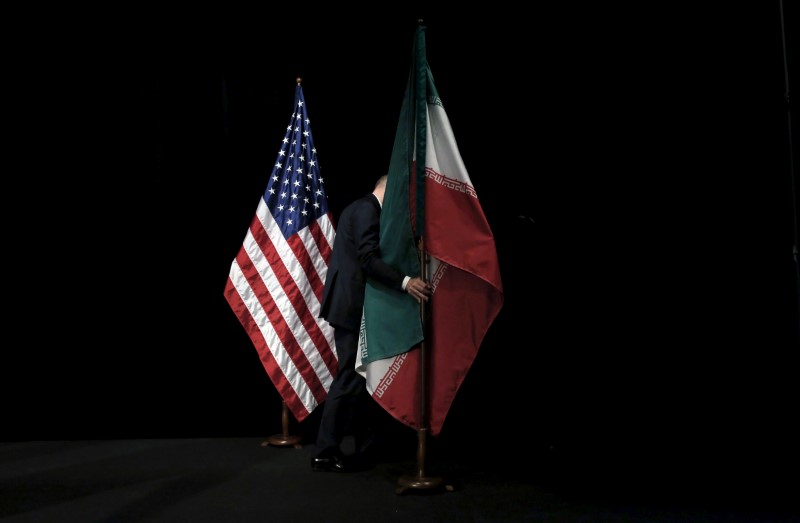
Trump warned Iran could face strikes on key infrastructure if talks fail, after accusing Tehran of violating the ceasefire and targeting vessels in the Strait of Hormuz. The U.S. is reportedly preparing to board and seize Iran-linked oil tankers, keeping energy and shipping markets on edge. The article points to elevated geopolitical risk with potential implications for crude prices, freight flows, and broader risk sentiment.
The market is pricing this as a headline risk event, but the more durable impact is on the reliability premium across global logistics. Even if a full shooting conflict is avoided, the threat of tanker seizures and intermittent harassment should keep war-risk insurance, freight rates, and substitution demand elevated for weeks to months, which tends to widen spreads for non-Middle East barrels and reward assets with physical optionality or contracted transport.
The biggest second-order winner is not necessarily upstream energy, but infrastructure tied to rerouting: LNG exporters with flexible destination clauses, tanker owners with modern fleets, and defense names exposed to maritime surveillance, drones, and escort systems. The loser set is broader than obvious Gulf exposure — European refiners, Asian importers, and industrials with just-in-time inventories face margin compression from both higher feedstock costs and longer lead times. If shipping disruptions persist, the FX effect is usually supportive for USD against cyclical importers and commodity-sensitive EM currencies.
The key catalyst is whether the U.S. moves from rhetoric to boardings/seizures; that would turn a “risk premium” into a genuine supply constraint and force systematic buying in oil and freight. Conversely, a framework announcement or verified de-escalation could unwind a large portion of the move quickly because positioning will be crowded and event-driven rather than fundamental. The market may be underestimating how fast risk can fade, but it is likely underpricing how sticky logistics dislocation becomes once insurers and shipowners re-rate the corridor.
Contrarian view: the cleanest trade may be to fade the most immediate oil spike and instead own the second-order beneficiaries of persistent insecurity. If the Strait remains open but dangerous, crude can mean-revert while shipping, defense, and infrastructure protection names keep a bid. That argues for relative value over outright directional oil exposure.
AI-powered research, real-time alerts, and portfolio analytics for institutional investors.
Request DemoOverall Sentiment
strongly negative
Sentiment Score
-0.65
