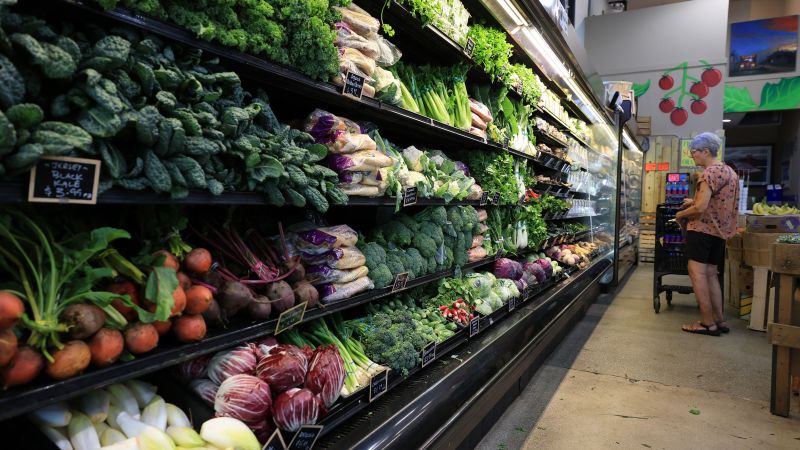
U.S. grocery prices surged 0.6% in August, marking the fastest monthly increase in three years and a 2.7% annual rise, largely driven by Trump administration tariffs on imported foods and immigration crackdowns causing significant agricultural labor shortages. This acceleration, evidenced by sharp increases in categories like coffee (up 20.9% YTD) and beef (up 13.9% annually), is profoundly impacting low- and middle-income consumers, altering shopping behaviors, and prompting retailers to reintroduce promotional strategies like paper coupons, with economists projecting sustained price pressure if current policies endure.
U.S. grocery prices are accelerating at the fastest rate in three years, with a 0.6% month-over-month increase in August and a 2.7% rise year-over-year. This inflationary pressure is attributed to a combination of administration policies, labor shortages, and environmental factors. Tariffs have directly impacted the cost of heavily imported goods; coffee prices surged 20.9% year-to-date following a 50% tariff on Brazilian imports, and tomato prices are rising after a 17% tariff was applied to Mexican produce. Concurrently, a crackdown on immigration has constricted the agricultural labor supply, with agricultural employment falling 6.5% from March to July, contributing to higher production costs for fruits and vegetables. These policy-driven pressures are compounded by supply chain shocks, such as drought, which has reduced cattle herds to 74-year lows and driven annual beef price inflation to 13.9%. This environment has created a bifurcated consumer market, where lower-income households are altering purchasing habits, prompting retailers like Kroger (KR) to reintroduce defensive, margin-sensitive promotions such as paper coupons. Projections from Yale University's Budget Lab suggest food prices could rise another 3.4% in the short-run if current tariffs remain, indicating sustained pressure on both consumers and the food retail sector.
AI-powered research, real-time alerts, and portfolio analytics for institutional investors.
Overall Sentiment
moderately negative
Sentiment Score
-0.60
Ticker Sentiment
