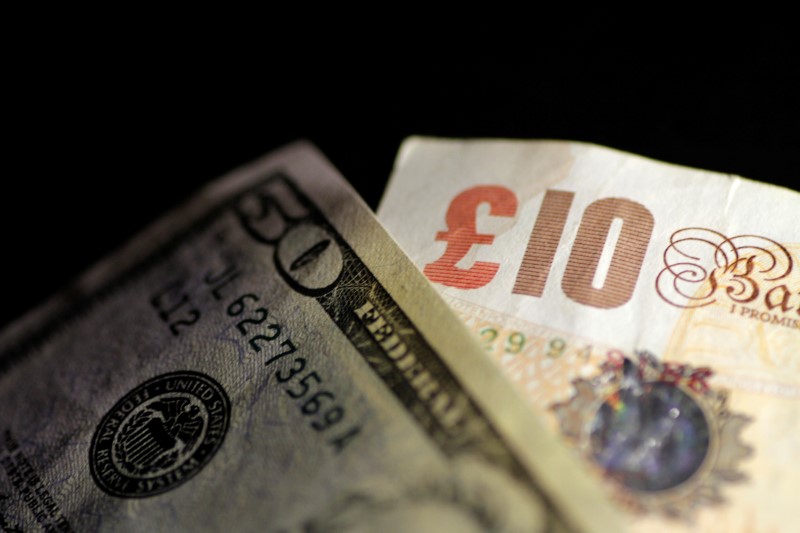
A preliminary U.S.-Iran ceasefire deal lifted risk sentiment, pushed Brent crude sharply lower, and boosted sterling and the euro, with GBP/USD up 0.14% to 1.3425 and EUR/USD up 0.39% to 1.1611. The prospect of reopening the Strait of Hormuz eases inflation pressure and may reduce the urgency for further central bank tightening, while the BoE and ECB meetings this week remain key catalysts. The dollar weakened broadly, though downside may be limited ahead of Wednesday’s FOMC and the market continues to watch yield-curve moves and political risks in the U.K.
The immediate macro winner is duration-sensitive risk assets: lower crude reduces the probability of another inflation impulse, which matters more for the front end than for equities. That creates a subtle setup where the first move is a broad USD fade and curve bull-flattening, but the bigger second-order trade is in rate vol: if central banks use this window to sound less hawkish, short-dated yields can rally harder than spot FX implies. Energy equities are the obvious losers, but the more interesting damage is to defensive inflation hedges that were crowded on the premise of a renewed supply shock.
The FX move looks more like a relief rally than a regime change. EUR and GBP can squeeze higher tactically, but both face event risk within days: the ECB and BoE now have the optionality to stay cautious rather than validate market easing, so any dovish repricing could reverse quickly if they emphasize "one-off" energy relief. That creates a narrow window where high-beta European currency longs work best as short-term expressions rather than structural positions.
The market may be underestimating how much of the oil decline is geopolitical discount removal rather than a durable supply re-rating. If the framework deal proves fragile, oil can retrace sharply, but if it holds, the real medium-term effect is not just lower Brent — it's lower inflation breakevens, softer term premium, and less urgency for central banks to over-tighten. In that scenario, cyclicals with pricing power and lower energy input exposure outperform, while pure energy beta and inflation-linked hedges lag.
Consensus appears too focused on the "risk-on" tape and not enough on sequencing: the best trade is likely the one that monetizes a temporary dislocation before central banks speak, not a thematic bet on peace. I’d fade crowded long-energy / long-dollar hedges into this move and wait for confirmation from policy messaging before adding to Euro/sterling strength. The asymmetry is highest in rate-sensitive assets where a few bps of front-end repricing can drive multiple turns in valuation.
AI-powered research, real-time alerts, and portfolio analytics for institutional investors.
Request DemoOverall Sentiment
mildly positive
Sentiment Score
0.35
Ticker Sentiment
