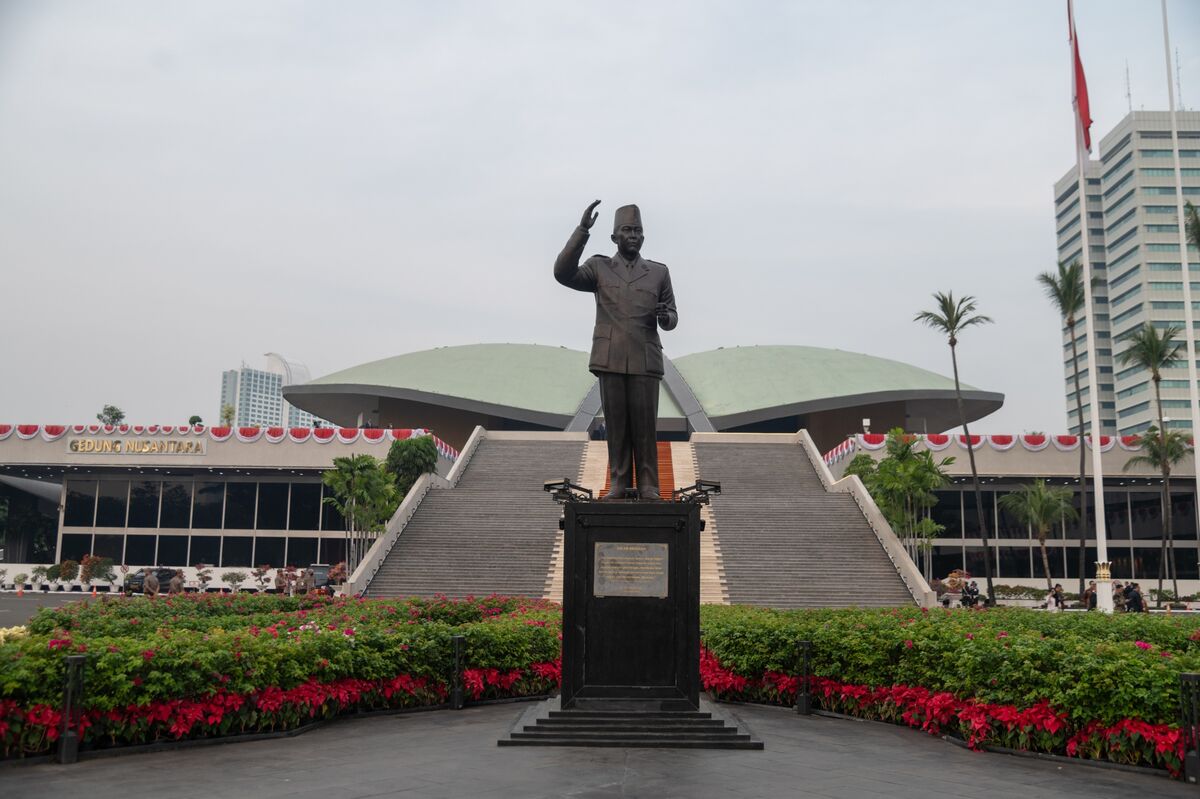
Hundreds of protesters in Jakarta were dispersed by police using tear gas and water cannons while demonstrating against excessive lawmaker allowances and demanding the dissolution of parliament. The protests, which also called for the resignation of President Prabowo Subianto and other top officials, underscore rising social unrest and demands for anti-corruption reforms, potentially indicating heightened political risk and policy uncertainty in Indonesia.
Recent events in Jakarta, where police employed tear gas and water cannons to disperse protests, signal escalating domestic political instability in Indonesia. The demonstrations are not isolated but are a direct challenge to the country's leadership, with protesters calling for the resignation of President Prabowo Subianto, the Vice President, and the House Speaker, as well as the dissolution of parliament. The core grievances—opposition to excessive lawmaker allowances and demands for a robust anti-corruption asset seizure bill—point to deep-seated public dissatisfaction with governance and fiscal management. This situation introduces significant policy uncertainty, as the unrest could pressure the government's legislative agenda and potentially disrupt economic stability. The moderately negative sentiment and uncertain tone underscore the tangible political risk for investors, as sustained social friction could impact investor confidence and the broader market outlook for Indonesian assets.
AI-powered research, real-time alerts, and portfolio analytics for institutional investors.
Request DemoOverall Sentiment
moderately negative
Sentiment Score
-0.60
