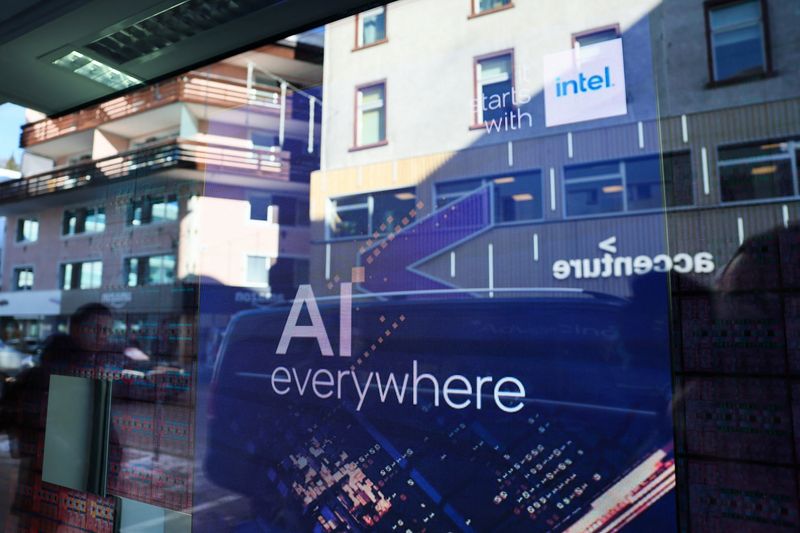
Goldman Sachs said AI is already adding about 0.3 percentage points to annual core PCE inflation and 0.1 percentage point to core CPI, with a further 0.1 to 0.2 percentage point lift to headline PCE possible from higher electricity prices over the next several years. The bank identified three inflationary channels: higher electronics input costs, software price increases tied to AI features, and rising power demand from data centers. Goldman expects these pressures to fade eventually as AI-driven productivity gains lower costs and make the technology disinflationary over time.
The important second-order read-through is that AI is behaving like a late-cycle capex shock before it behaves like a productivity shock. That means the near-term macro effect is a squeeze on margins and real household spending power, while the medium-term benefit accrues unevenly to firms that can amortize AI investment over a large installed base. In practice, this is more bullish for infrastructure-heavy vendors and utilities than for software names trying to reprice seats faster than customers can accept.
The competitive dynamic is asymmetric inside software: firms with high switching costs and mission-critical workflows can push through AI surcharges, but consumer-facing or discretionary SaaS brands face a higher risk of churn or downgrade pressure once customers see AI fees as a tax rather than a feature. That makes pricing power the key discriminator, not "AI exposure" as a theme. The bigger hidden loser may be adjacent categories that depend on consumer PC refresh cycles and enterprise device upgrades, because higher input costs and tariff-like price increases can delay procurement into 2026.
On inflation, the market should not extrapolate the current AI impulse linearly. Electricity and component bottlenecks are front-loaded, but they are also the easiest areas for supply to respond if capex stays elevated; the disinflationary payoff from productivity is slower, broader, and more likely to show up in labor-intensive sectors than in tech margins. The most likely base case is a 6-18 month window where AI is mildly inflationary at the headline level, while simultaneously widening dispersion between AI-capable firms and everything else.
The contrarian point is that consensus may still be underestimating how much of this cost pressure is temporary and inventory-driven. If memory and battery pricing normalize sooner than expected, the inflation narrative can fade quickly, while the productivity story remains intact for the vendors that win the platform layer. That argues for trading the spread between firms with real pricing power and those using AI as justification for price increases without corresponding utility gains.
AI-powered research, real-time alerts, and portfolio analytics for institutional investors.
Request DemoOverall Sentiment
mixed
Sentiment Score
-0.10
Ticker Sentiment
