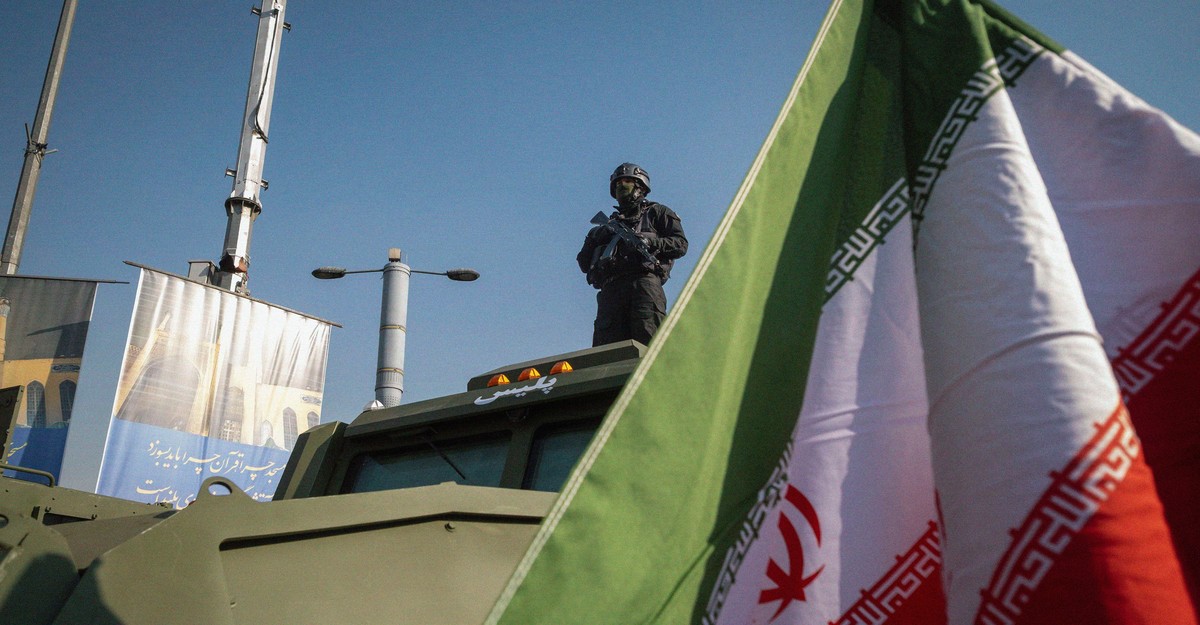
Iran’s control of the Strait of Hormuz has idled about 1,550 vessels, cutting daily transits from more than 130 to just 3 and threatening a major disruption to global energy and shipping flows. The U.S. estimates the war has already cost $25 billion, while Iran continues to impose tolls, reroute traffic, and use mines and drone/boat harassment to maintain leverage. The article points to elevated geopolitical risk, higher energy/shipping costs, and broad market spillovers across oil, logistics, and regional defense dynamics.
The market should treat this less as a one-off military episode and more as a durable tollbooth regime. If shipping throughput remains structurally impaired, the second-order winners are not just integrated energy producers but also regional alternatives to Hormuz exposure: Mediterranean refiners, Atlantic Basin LNG, and tanker operators that can reprice scarcity and longer routing. The immediate loser set is broader than oil importers; Asian industrial exporters with heavy Middle East input dependence face margin pressure from both higher feedstock costs and longer inventory cycles.
The key non-obvious risk is that the pain is asymmetric in time: the economic shock is immediate, while any credible military counterforce or diplomatic normalization is slow. That creates a reflexive loop where every extra week of disruption increases the odds that market participants rebuild supply chains around the new reality, making the “temporary” closure harder to reverse. For FX, this is a classic dollar-positive, JPY/CHF-sensitive shock, but the more interesting move is in EM external balances—large oil importers with weak reserves can see a widening current account gap within 1-2 quarters, forcing central banks into a growth-negative tightening bias.
Consensus may be underpricing the probability that the strait becomes intermittently restricted rather than fully reopened. That scenario is worse for industrials and airlines than a clean spike in crude, because it embeds uncertainty into freight, insurance, and working-capital planning. It also raises the value of inventory optionality: firms with high days-of-supply and domestic logistics control gain a relative advantage over just-in-time operators.
The contrarian point is that the premium on energy and defense may already be crowded, while the cleaner short remains duration-sensitive cyclicals and import-heavy EM. If the conflict de-escalates, the unwind in freight, insurance, and crude risk premium could be abrupt, but the structural repositioning by shipping and commodity supply chains would not reverse fully, leaving a floor under volatility even after headlines improve.
AI-powered research, real-time alerts, and portfolio analytics for institutional investors.
Request DemoOverall Sentiment
strongly negative
Sentiment Score
-0.75
