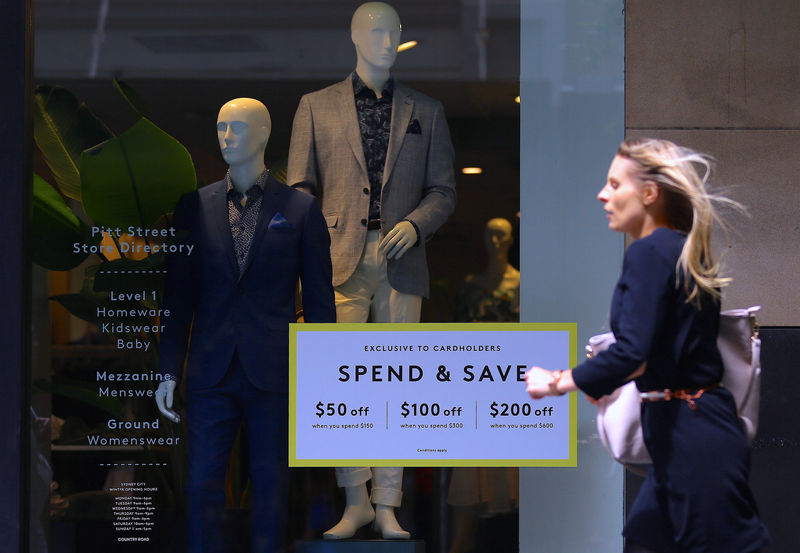
The Westpac–Melbourne Institute Consumer Sentiment Index rose 1.2% to 91.6 in March from 90.5 in February, but remains below 100, signalling overall household pessimism. Daily responses showed a material weakening during the survey week, likely driven by escalating conflict in the Middle East and adverse international news. The RBA delivered a 25bp hike in February; Westpac expects the next likely rate increase in May, though the possibility may be discussed at the RBA meeting on March 16–17.
Domestic sentiment drifting around pessimism creates an outsized ripple into demand-sensitive sectors: discretionary retailers and leisure chains will face inventory digestion and promotional margin compression over the next 1–3 quarters, while discount retailers and staples can pick up share as households trade down. This isn’t just lower sales — slower turnover forces working capital drawdowns for upstream suppliers in Asia, increasing short-term credit stress for smaller importers and raising invoicing disputes that depress trade finance spreads.
Monetary policy expectations remain the key market plumbing: if the front-end pricing continues to bake in a May hike and then a plateau, expect 2y yields to reprice materially higher relative to the long-end — bank NIMs could see a near-term lift, but mortgage arrears would lag by 6–12 months if employment softens. That dynamics produces a likely curve flattening trade rather than a parallel shift; a faster fallout from geopolitics (lower risk appetite) would flip the move toward a bear-steepener.
On FX/commodities, headline-driven risk aversion will keep AUD biased weaker which structurally benefits miners and ag/food exporters by softening local costs while preserving USD revenue. Second-order: logistics and port operators see volatility — container volumes fall, but spot freight rates spike in episodic windows, creating short-term beneficiaries in shipping logistics and knock-on margin pressure for vertically integrated retailers.
Sentiment is headline-sensitive and therefore high gamma — daily survey volatility implies any short-dated directional equity positions will be whipsawed by Middle East headlines. That makes option structures and curve-relative rate trades preferable to naked directional exposure; catalysts to watch are (a) a visible de-escalation headline, (b) RBA communication change on May hike odds, and (c) a multi-week drop in Chinese export data that would institutionalize the domestic demand slowdown.
AI-powered research, real-time alerts, and portfolio analytics for institutional investors.
Request DemoOverall Sentiment
mildly negative
Sentiment Score
-0.15
