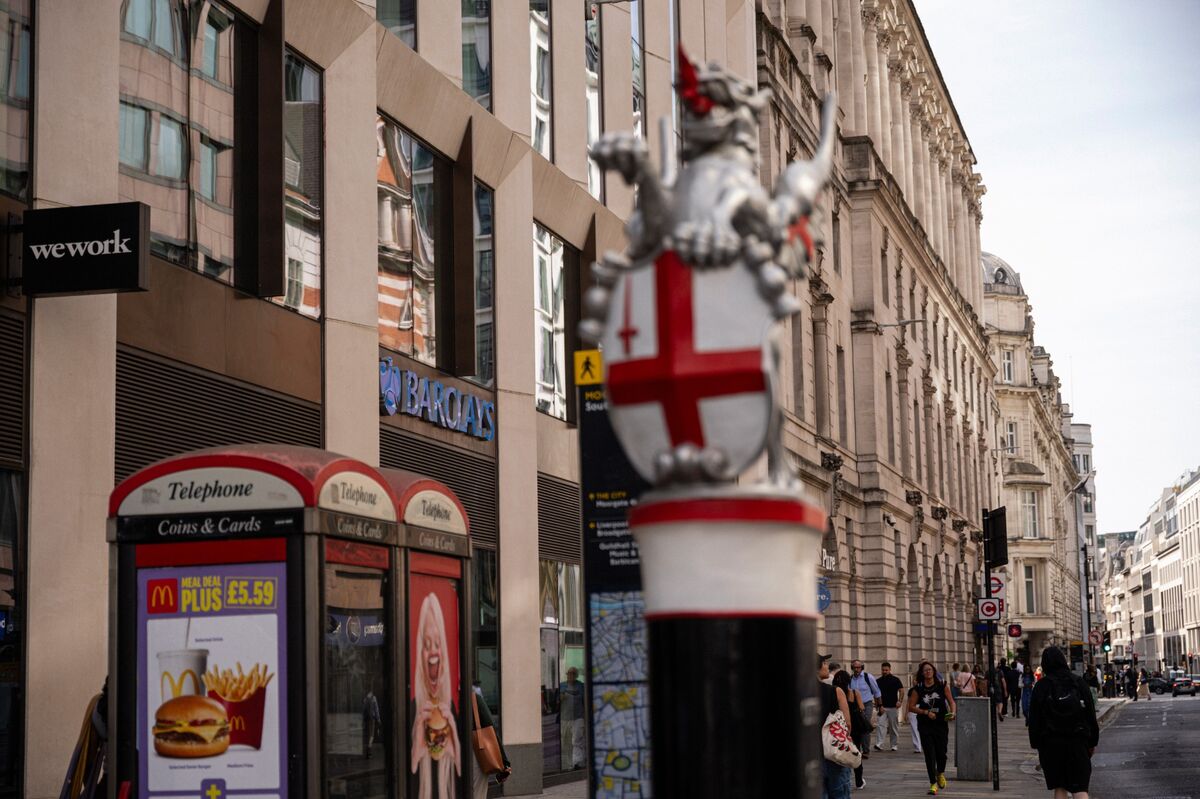
London’s drought in new listings is weighing on private equity and venture capital by blocking potential exits, adding pressure as the IPO market slumps. The article also flags the knock-on effect on deal momentum, alongside ongoing M&A activity (e.g., West Ham’s takeover battle) that may not fully offset slower equity exits.
The market implication is not just a weaker exit tape; it is a slower recycling of capital. When public exits shut, private funds lose DPI, which tightens LP appetite for the next fund, forces more continuation structures, and increases the probability that otherwise healthy portfolios get marked down simply because they cannot clear at auction. That is a margin and duration problem for VC/PE, not a headline problem.
The second-order winner is the deepest liquidity pool, not necessarily the best business. Issuers that would have considered London are more likely to migrate to the US over the next 1-3 quarters, which marginally improves the share and pricing power of Nasdaq and NYSE and further weakens London’s relevance for crossover and tech-heavy listings. For UK growth companies, the fallback becomes trade sale or private round, which usually means lower multiples and more leverage, a negative mix for future IPO-ready cohorts in software, biotech, and consumer internet.
Contrarianly, the consensus may be underestimating how persistent this becomes once portfolio companies and LPs adjust behavior. If the IPO window stays shut through another fundraising cycle, the pain shifts from unrealized marks to real cash flow stress: slower fee-earning AUM growth, weaker performance-fee realization, and more forced secondary sales at discounts. The main reversal catalysts are a few credible London IPO prints, a meaningful drop in equity volatility, or policy changes that reduce the valuation gap to US venues; absent that, this is a 6-18 month structural headwind rather than a trading blip.
AI-powered research, real-time alerts, and portfolio analytics for institutional investors.
Overall Sentiment
mildly negative
Sentiment Score
-0.20
