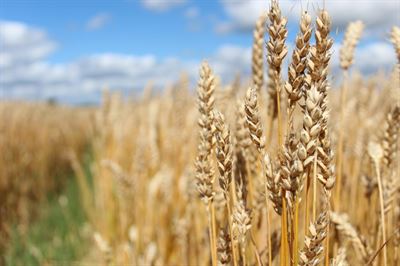
Lantmännen Cerealia reports that swapping refined wheat flour for whole grain reduces the flour's climate impact by 10–15% based on the Swedish industry monetary-allocation climate accounting model, with savings driven by allocating emissions between flour and the by-product wheat bran. The company says the calculation enables bakeries and food manufacturers to lower product-level emission factors and support SBTi-aligned targets; Lantmännen aims to raise whole-grain content across its value chain and is promoting the change alongside its broader operations (Lantmännen group: SEK 70 billion annual turnover).
Market structure: Millers and branded bakers that can credibly market whole‑grain products (ability to re-label, reformulate and capture a premium) are the primary winners; expect incremental pricing power of 3–6% on whole‑grain SKUs versus refined equivalents and potential margin uplift for firms that capture the shift. Losers include pure-play animal‑feed processors and refiners that sell commodity white flour or depend on monetizing bran as a low‑value co‑product; bran flows shifting into consumer products will tighten feed substitutes and compress that segment’s margin.
Risk assessment: Tail risks include sudden regulatory mandates (EU/Sweden labeling or procurement rules) or SBTi-driven corporate procurement targets that force rapid capex — a 6–12 month accelerated mandate could raise conversion costs by mid‑single digits for mills. In the near term (days–weeks) impact is negligible; over months (3–12) product reformulation and supply‑chain relabeling matter; over years (1–3+) structural demand mix shifts and feed commodity repricing become significant. Hidden dependency: bran reallocation raises feed input costs (soy/wheat bran substitute) and could transmit to meat producers’ margins.
Trade implications: Tactical longs: branded consumer staples and ingredient suppliers that sell whole‑grain flours (Kellogg K, General Mills GIS, ADM, INGR) with 3–12 month horizon; consider small short exposure to livestock/animal feed exposed names (Tyson TSN) if feed prices rise >5% in 3 months. Use 3–9 month call spreads on K/GIS to capture re‑rating (buy ATM, sell +15% strike) with position sizing 1–3% AUM; rotate toward Consumer Staples and Ingredients, underweight Ag‑commodity feeders. Entry: initiate in next 4–12 weeks ahead of Q1 sustainability disclosures; target +15–25% upside, stop loss 8–12%.
Contrarian angles: The market underestimates execution friction — milling lines, SKU reformulation, retailer slotting and consumer price elasticity may keep whole‑grain penetration slow (could be <5% shift in volume by 12 months). There's also a valuation risk if bran’s feed value falls and refiners reprice flour lower to move product; historical parallel: nutritional label trends (low‑fat era) lifted some brands but many failed to monetize. Unintended consequence: rising feed ingredient prices could pressure protein producers (TSN) and create countercyclical trade opportunities.
AI-powered research, real-time alerts, and portfolio analytics for institutional investors.
Request DemoOverall Sentiment
mildly positive
Sentiment Score
0.30
