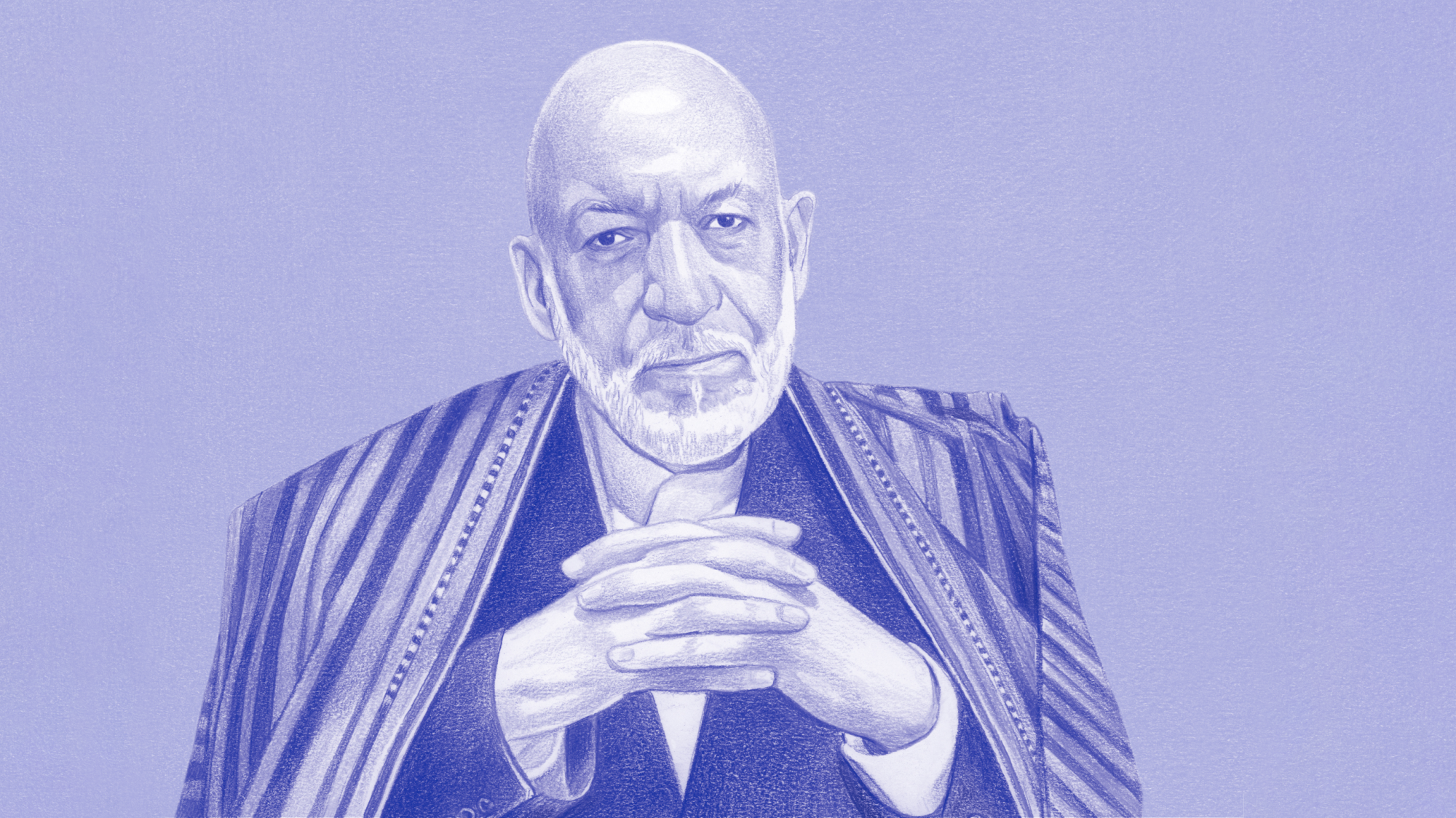
Hamid Karzai, the former Afghan president who helped oust the Taliban after 2001, says the Taliban’s return has failed to deliver inclusive governance: girls over age 12 are banned from school and he describes his current life as near house arrest. He argues the US presence had both reconstruction/assistance and “bombardment” harms, cites civilian casualty concerns in 2010, and calls for diplomacy over renewed war with Iran involving Pakistan’s regional role. The article is largely political/social and does not present direct economic figures, but it reinforces ongoing instability that can affect humanitarian needs and long-run policy expectations.
This is more of a regime-legitimacy signal than a tradable earnings event. The only plausible market channel is second-order: if regional elites continue to normalize the Taliban without conditions, aid flows may persist but sovereign risk in Pakistan remains tethered to cross-border militancy, IMF credibility, and periodic sanctions/recognition shocks. That tends to matter in bursts, not in a straight line; the immediate price impact should be limited unless violence or diplomatic recognition headlines reaccelerate.
The bigger medium-term risk is that the region’s “managed instability” equilibrium breaks. A deterioration in Pakistan-Afghanistan relations would widen frontier risk premia, pressure local-currency debt, and raise security spending at the expense of growth and capex. Conversely, the contrarian read is that the market may be overpricing rhetorical conflict: if China, the UK, and other interlocutors keep engaging, the system may remain frozen rather than deteriorate, which caps downside for broad EM risk assets.
From a portfolio standpoint, there is no clean direct expression in Afghanistan, so any trade should be through Pakistan-sensitive proxies or a general geopolitics hedge. The falsifier is simple: a durable ceasefire, IMF progress, or lower border-incident frequency would unwind the risk premium; a sharp CDS widening or renewed cross-border strikes would confirm it.
AI-powered research, real-time alerts, and portfolio analytics for institutional investors.
Overall Sentiment
mildly negative
Sentiment Score
-0.35
Ticker Sentiment
