

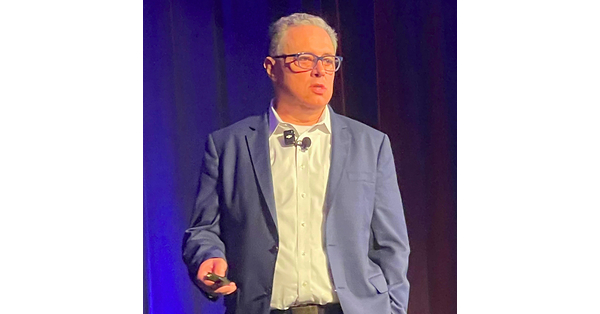
Engage 2026 highlighted a real-world case where implementing universal Type 1 diabetes autoantibody screening enabled earlier diagnosis before symptoms progressed to diabetic ketoacidosis (DKA), avoiding a potentially life-threatening emergency. The early identification made the child eligible for TZield®, which can delay onset of clinical T1D and help preserve beta-cell function. The piece is positive on the clinical impact of pediatric education and innovation, but provides no new company financials or measurable market-wide data.
This is not yet a revenue event; it is an adoption signal. The investable beneficiaries are the picks-and-shovels around pediatric screening and early-stage treatment: lab testing, specialty drug access, and workflow software that can operationalize universal screening. The first-order opportunity sits with Sanofi’s Tzield ecosystem and with reference labs that can route high-margin autoantibody panels, but the real bottleneck is reimbursement plus clinician compliance, not clinical enthusiasm.
The second-order effect is a slow redistribution of spend from expensive acute-care events toward outpatient diagnostics and disease-modifying therapy. That is directionally positive for payers and potentially negative for pediatric hospitals that see less DKA utilization, but the dollar impact is too small to matter in the next quarter. The bigger question is whether this becomes a guideline-driven workflow change; without payer coverage and capacity in pediatric endocrinology, this stays a conference-driven anecdote.
Time horizon matters: the stock reaction, if any, is days; actual monetization is 1-3 quarters away only if claims data show repeat screening and Tzield starts; the structural outcome is 6-18 months and depends on whether autoantibody screening becomes routine preventive care. The contrarian risk is that the market overprices the prevention narrative before there is proof of scale—false positives, prior auth friction, and limited specialist access can quickly cap adoption. What would falsify the bullish screening thesis is flat test-volume data, no payer policy change, or Tzield prescription growth that fails to inflect despite conference buzz.
AI-powered research, real-time alerts, and portfolio analytics for institutional investors.
Request TrialOverall Sentiment
moderately positive
Sentiment Score
0.35
Ticker Sentiment
