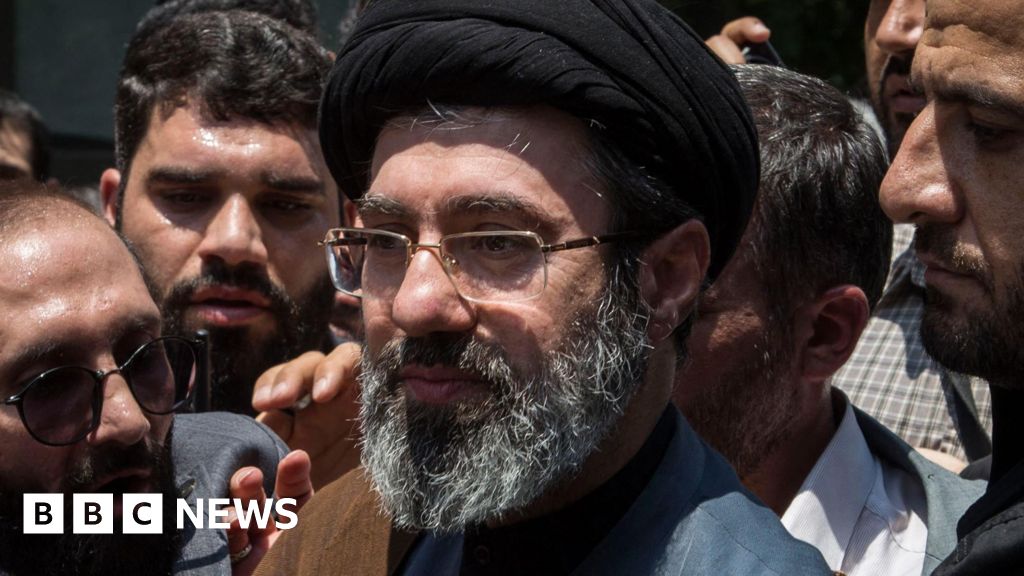
Mojtaba Khamenei, 56, has been named Iran's new supreme leader after the death of Ayatollah Ali Khamenei, triggering both pro-establishment rallies and anti-regime protests. He is widely viewed as IRGC-aligned and likely to continue or intensify hardline policies, raising the risk of reprisals or targeted action by the US and Israel. Markets should price higher regional geopolitical risk premia—expect net risk-off flows, potential upside pressure on oil/energy risk premia, support for defense shares, and safe-haven assets.
A consolidation of hardline control inside Tehran raises the near-term probability of kinetic or asymmetric incidents that target regional chokepoints and proxy networks; market mechanics mean even small disruptions (200-600 kb/d) can trigger outsized volatility because inventories and SPR releases are politically constrained. Expect war-risk insurance and tanker freight (VLCC/Suezmax timecharter) cost shocks in the first 0-90 days — insurers price tail risk quickly, typically adding 20-50% to premiums and pushing spot freight rates materially higher for beneficiaries of rerouting.
Commodity and EM asset channels will transmit this political shock. A 0.5–1.0 mb/d effective disruption typically translates to +$4–$10/bbl Brent within 1–4 weeks; however, because Iranian production is already depressed, the marginal supply risk is smaller than headline narratives suggest, making a large sustained oil impulse less likely without escalation to broader Gulf hostilities. Credit and FX for regional and frontier EMs are vulnerable: market-implied sovereign CDS could widen 150–400 bps in stressed scenarios inside 1–3 months as capital flight and bank-correspondent risk surface.
Second-order economic winners are concentrated and specific: defense primes, marine insurers/reinsurers, owners of VLCC/tanker capacity and short-duration oil call strategies; losers include regional banks, EM local-currency bonds and equities, and European corporates with re-export links into sanctioned networks. Reversal catalysts that would quickly unwind risk premia are (a) credible high-level backchannel de-escalation within 2–6 weeks, (b) a successful targeted decapitation that paradoxically reduces proxy activity, or (c) a large coordinated SPR release/production response from other producers — absent those, expect elevated volatility for months.
AI-powered research, real-time alerts, and portfolio analytics for institutional investors.
Request DemoOverall Sentiment
mildly negative
Sentiment Score
-0.35
