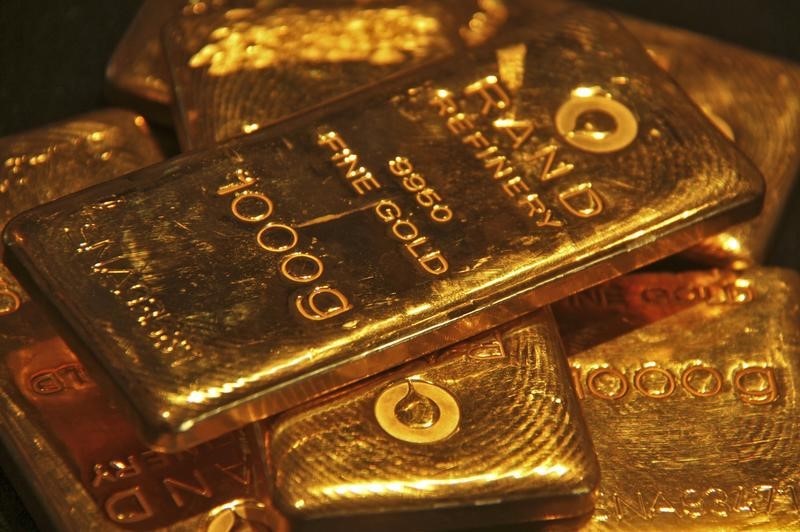
U.S. and Iran reached an interim peace framework, with Trump saying the Strait of Hormuz will reopen, sending Brent crude down more than 4% to around $84/bbl and lifting spot gold 2.3% to $4,317.32/oz. The easing of geopolitical and oil-supply risk also knocked the U.S. dollar index down 0.2% and reduced expectations for further Fed tightening, with the market pricing a 49% probability of a rate hike by December versus 69% a week earlier. Silver rose 3.3% to $70.24/oz and platinum gained 3.2% to $1,776.60/oz.
The first-order read is risk-off reversal in energy and a mechanical de-stress across inflation hedges, but the more important second-order effect is duration relief. If the market believes the Gulf shipping premium is collapsing, front-end inflation expectations can mean-revert faster than realized CPI, which supports longer-duration equities, growth, and rate-sensitive cyclicals before the Fed even acts.
Energy is not uniformly bearish here. The immediate losers are volatility sellers, tanker-insurance beneficiaries, and short-cycle hedges that were positioned for supply disruption; the winners are refiners and transporters if crude retreats faster than products, but that spread opportunity is likely brief. The bigger setup is that integrated oil names with strong buybacks may outperform pure upstream beta once the market stops pricing geopolitically induced upside and starts pricing balance-sheet resilience.
The contrarian risk is that this is a headline-driven peace premium with a high failure rate. A partial reopening of the Strait can still leave physical flows and insurance costs impaired, meaning crude can snap back 8-12% on any implementation delay, maritime incident, or rhetoric reset. In that scenario, the biggest mistake is treating this as a durable disinflation regime rather than a tactical risk-asset rally with a near-term binary.
AI-powered research, real-time alerts, and portfolio analytics for institutional investors.
Overall Sentiment
mildly positive
Sentiment Score
0.35
