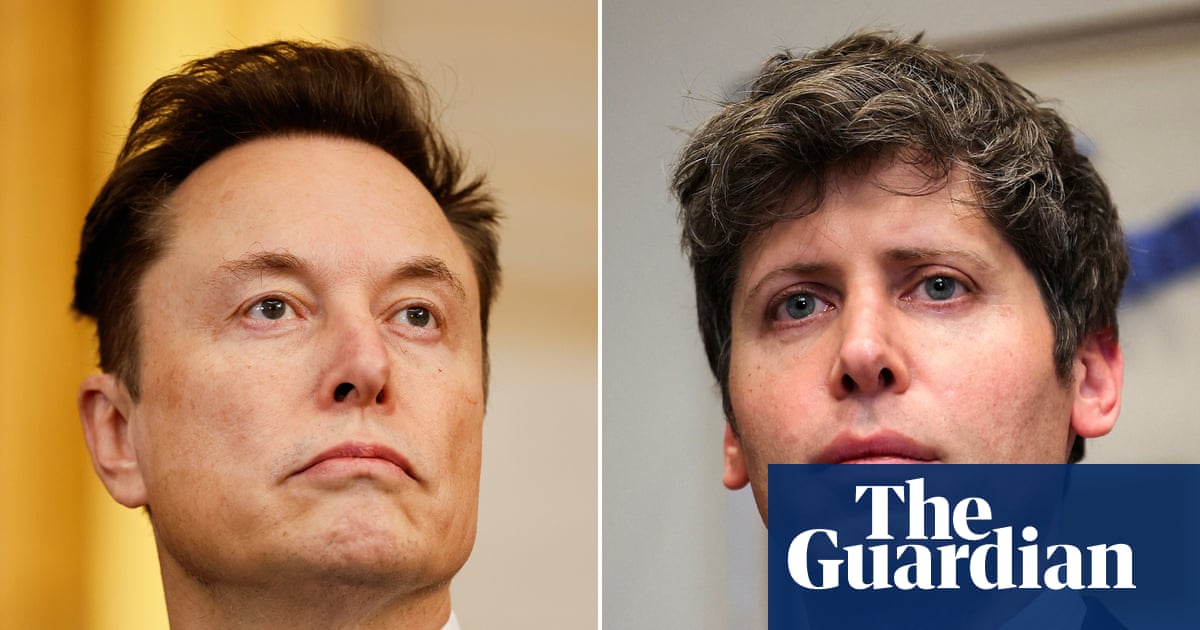
Elon Musk’s lawsuit against Sam Altman and OpenAI goes to trial in Oakland, with Musk seeking more than $134bn in damages, removal of Altman and Greg Brockman, and reversal of OpenAI’s restructuring. The case centers on whether OpenAI breached its nonprofit founding mission as it moved toward a for-profit structure ahead of a planned IPO at about a $1tn valuation. The dispute is highly visible in AI and could create headline risk for OpenAI, but it is primarily a legal/governance event rather than an immediate operating update.
This is a governance overhang event more than a fundamental AI demand shock. The market impact is asymmetric: MSFT is the cleaner beneficiary because it can absorb headline volatility while still monetizing OpenAI exposure through Azure and enterprise AI, whereas the real downside sits in the private valuation stack for OpenAI-like assets if the trial surfaces facts that complicate the path to IPO or force a re-rating of control terms. The key second-order effect is that any credible threat to OpenAI’s restructuring raises the cost of capital for frontier model labs broadly, which could slow hiring, increase dependence on strategic partners, and shift bargaining power back toward infrastructure owners.
The litigation also creates a near-term catalyst sequence: jury selection and testimony can generate bursts of headline risk over 2-3 weeks, but the larger risk window is 3-9 months if discovery or judicial remedies impair the planned public listing. Even if Musk loses, the process itself may force disclosure of internal governance inconsistencies that institutional buyers will price into any IPO at a discount; if he wins any injunctive relief, the real loser is the optionality embedded in OpenAI’s corporate structure. That would ripple to other AI platforms contemplating hybrid nonprofit/for-profit structures by increasing regulatory and reputational scrutiny.
TSLA is the more vulnerable ticker tactically because this keeps Musk’s personal brand and attention in the political/media grinder, which can weigh on sentiment at the margin and distract from product execution. The contrarian point is that the market may overestimate the probability of a structural blow-up: courts often prefer monetary or narrow governance remedies over existential corporate reversals, so the base case may be a noisy but non-fatal outcome. That suggests buying volatility around event spikes may be more attractive than a large directional bet on either side unless evidence emerges that the judge is receptive to unwinding the restructuring.
AI-powered research, real-time alerts, and portfolio analytics for institutional investors.
Request DemoOverall Sentiment
mildly negative
Sentiment Score
-0.15
Ticker Sentiment
