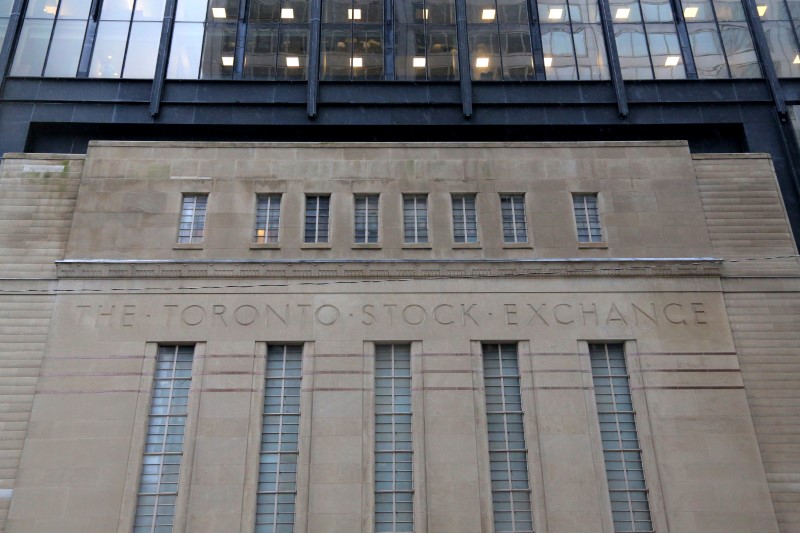
Risk assets were supported by progress in U.S.-Iran peace talks, with Canada’s S&P/TSX composite up 0.3% and U.S. equities higher across the Dow (+402 points), S&P 500 (+0.6%) and Nasdaq (+0.6%). Brent crude rose 1.7% to $104.36 a barrel, while spot gold slipped 0.3% to $4,528.36 as higher oil prices lifted inflation and rate-hike worries. Individual stock movers were driven by earnings and guidance, including Take-Two on strong bookings and GTA VI’s Nov. 19 launch, Workday on upbeat Q1 results, and Zoom on solid earnings.
The market is pricing a narrow de-escalation path, but the setup still looks asymmetric because the first-order move is in headline risk, while the second-order move is in freight, input costs, and policy. If the Strait remains constrained even without a full-blown escalation, the real winners are not just energy producers but any balance sheet with direct inflation pass-through and low fuel sensitivity; the losers are transport, discretionary importers, and rate-sensitive growth that depend on declining inflation for multiple expansion.
The more interesting read is that higher crude can paradoxically keep the U.S. dollar supported while also delaying the Fed’s easing cycle. That combination tends to compress long-duration equity valuations even if the absolute equity tape looks okay in the near term. In other words, the market may be underestimating how persistent a “mild war premium” can be for software and consumer names when it is transmitted through rates rather than through direct earnings hits.
On the stock-specific side, the strongest relative alpha still sits in idiosyncratic earnings beats with secular catalysts. TTWO’s launch visibility is one of the few real-duration stories in the market, while WDAY and ZM are benefiting from the fact that investors had positioned for AI-led margin pressure rather than a cleaner operating beat. IBM’s quantum-related move may be more of a sentiment trade than a fundamental rerating; if the spending is real, the beneficiaries are the picks-and-shovels suppliers rather than IBM itself.
The contrarian view is that the market may be too comfortable treating this as a contained, negotiable shock. If negotiations slip by even a few weeks, the path of least resistance is not just higher energy but a broader re-pricing of inflation breakevens and terminal rate assumptions, which would hit crowded growth longs harder than most portfolio hedges currently assume.
AI-powered research, real-time alerts, and portfolio analytics for institutional investors.
Request DemoOverall Sentiment
mildly positive
Sentiment Score
0.18
Ticker Sentiment
