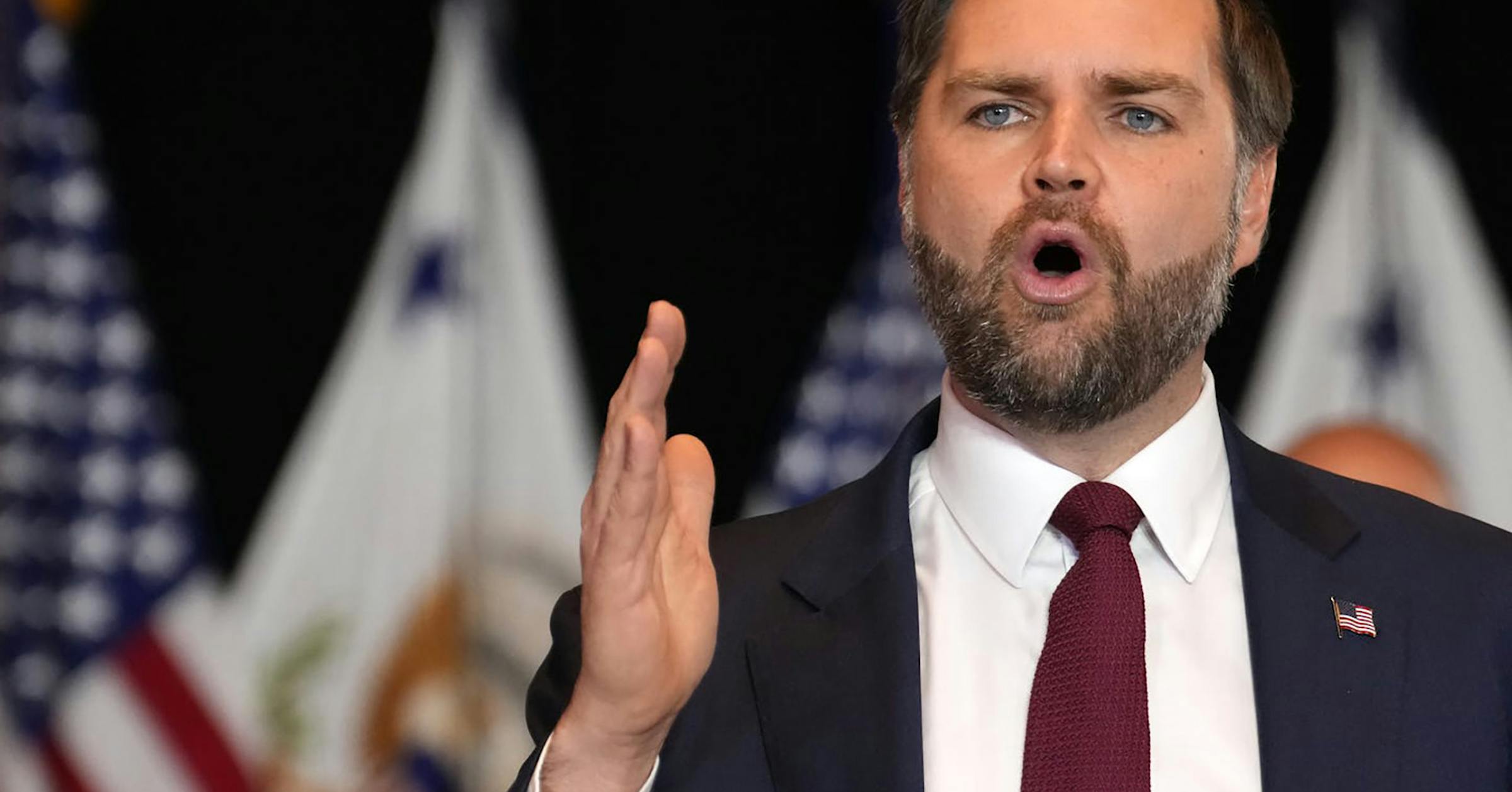
The Trump administration announced it will withhold $259 million in federal Medicaid payments to Minnesota over alleged fraud in the state’s social services programs, with CMS Administrator Dr. Mehmet Oz and Vice President JD Vance saying funds will be paused until the Walz administration submits a comprehensive corrective action plan. The move follows federal scrutiny highlighted in the State of the Union and the wind-down of Operation Metro Surge; Minnesota Governor Tim Walz denies the action is about fraud and accuses federal authorities of overreach. The decision raises near-term fiscal stress and operational risk for Minnesota’s Medicaid providers and could heighten political and legal frictions between the state and federal government.
Market structure: The immediate winners are large, diversified payers and compliance vendors able to absorb temporary payment disruptions; the losers are Minnesota-focused providers, Medicaid-heavy operators and the state’s GO bond holders. Withholding ~$259m for one month implies an annualized run-rate near $3.1bn of federal Medicaid cashflow at stake, creating meaningful short-term working-capital stress for clinics and community providers and raising the probability of accelerated consolidation or price renegotiation with Managed Care Organizations (MCOs).
Risk assessment: Tail risks include escalation to multi-month withholding, analogues being federal payment pauses that force provider insolvency (low-probability, high-impact) or legal injunctions that reverse the move (short squeeze). Immediate window (days): volatility in MN healthcare credits and munis; short term (weeks–months): providers draw down reserves, MCOs raise reserves; long term (quarters–years): higher compliance costs and potential shift of Medicaid volume to larger national plans. Hidden dependencies: CMS audit findings, state corrective-plan acceptance, and DOJ prosecutions will determine magnitude; a 60–90 day horizon is the critical catalyst.
Trade implications: Favor large-cap insurers with diversified Medicaid footprints (e.g., UNH) versus pure-play Medicaid operators (e.g., MOH) — expect share re-rating if payment flow resumes within 60–90 days. Munis: expect Minnesota credit spreads to widen vs national muni indices; reduce direct MN muni exposure and prefer short-duration Treasuries until clarity. Use option structures (defined-risk put spreads on exposed names, call spreads on winners) to express view while limiting drawdown.
Contrarian angle: Consensus will overreact to political headlines; if CMS accepts a corrective plan within 30–60 days, the crisis is transitory and beaten-down regional providers could rally 20–40% as federal cash returns. Conversely, regulatory tightening nationwide (if replicated in other states) would be underpriced and create multi-quarter winners among compliance vendors and large MCOs. Set quantitative triggers (60-day fund resumption, >20% price move) to flip positions.
AI-powered research, real-time alerts, and portfolio analytics for institutional investors.
Request TrialOverall Sentiment
moderately negative
Sentiment Score
-0.45
