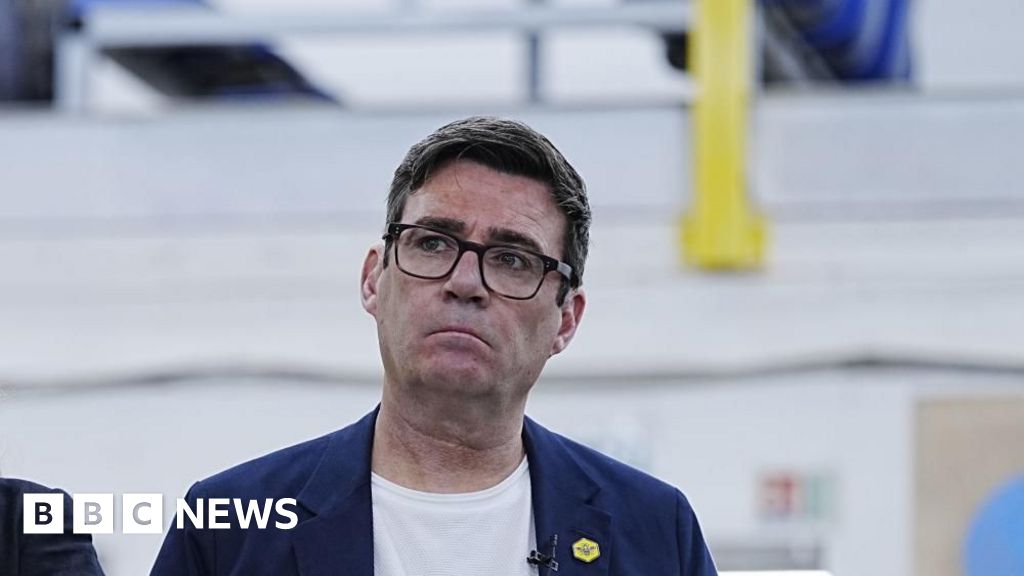
Labour's national executive committee voted (reported 8-1) to block Greater Manchester mayor Andy Burnham from standing in the Gorton and Denton by-election, citing the estimated cost and disruption of an unnecessary mayoral election (the last cost ~£4.7m) and the need to preserve campaign resources ahead of May polls. The decision — reportedly including a vote by Prime Minister Keir Starmer — has sparked strong internal criticism and could complicate Labour's position in a seat it held with a ~13,000 majority in 2024, with Reform UK and the Greens seen as potential challengers. Labour will shortlist alternative candidates for a local members' vote next weekend; Burnham remains mayor until May 2028.
Market structure: This is a political governance shock with concentrated domestic risk — winners are Labour's central leadership (short-term preservation of Starmer's control) and large-cap exporters less sensitive to UK domestic vote swings; losers are regional/domiciled domestic plays (FTSE 250, regional banks, local services) and Reform UK if the move energises anti-establishment voters. Expect directional market moves to be modest (single-digit % moves in domestic small-caps) but a reweighting from domestic-cyclicals to globally-exposed large caps over the next 1–3 months.
Risk assessment: Tail risks include a by-election upset or larger-than-expected Reform surge that could widen 10y gilt spreads to EU peers by 10–25bp and push GBP down 2–6% in 1–4 weeks; opposite tail is a dampened leadership contest that compresses risk premia by ~5–10bp and lifts GBP. Hidden dependencies include campaign spend (Reform outspending Labour could amplify outcomes) and local-election results in ~3 months that will feed national polls; catalysts are the by-election result, next fortnight of local polls, and any high-profile resignations.
Trade implications: Prefer relative-value trades: tilt away from FTSE 250/domestic services into FTSE 100/global exporters (size 2–4% portfolio rebalancing), buy short-term GBP downside protection (1-month put spread) and purchase low-cost 2–3 month downside options on UK small-cap ETF as tail hedge. Duration: act within 1–4 weeks ahead of the by-election, reassess after local election/poll prints over next 8–12 weeks.
Contrarian angles: Consensus assumes significant damage to Starmer; that may be overdone — blocking Burnham reduces immediate leadership volatility and could be bullish if Labour holds the seat. If by-election loss does not materialise, domestic small-caps could rebound 5–12% quickly — so use asymmetric option structures (buy cheap puts/sell lower-strike puts) to monetize skew while preserving upside exposure.
AI-powered research, real-time alerts, and portfolio analytics for institutional investors.
Request DemoOverall Sentiment
neutral
Sentiment Score
-0.15
