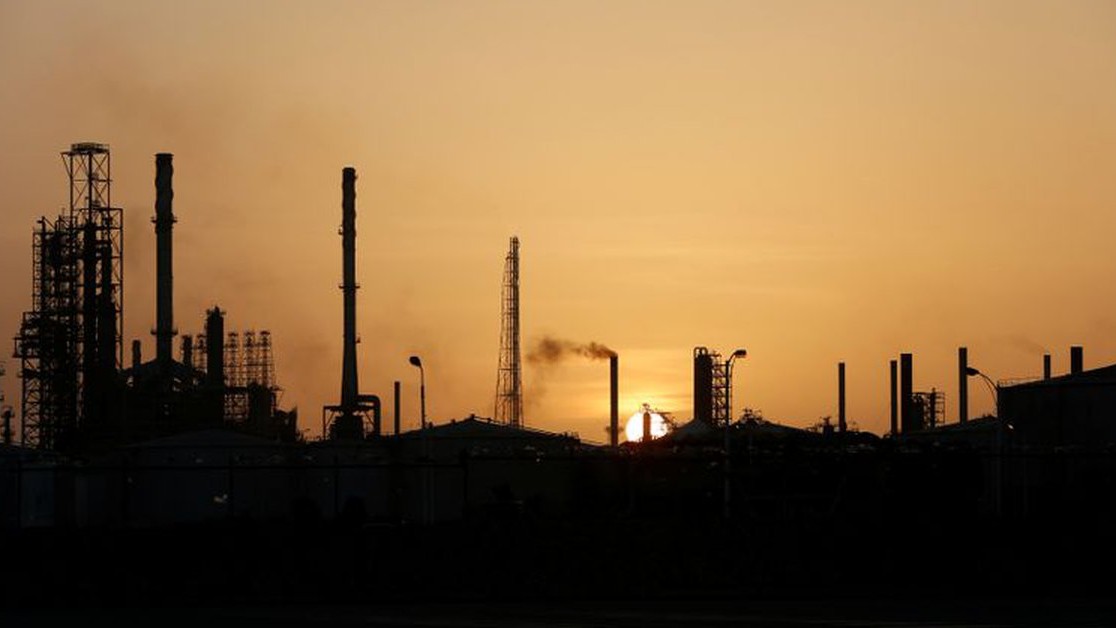
More than 10 million bpd of Middle East crude output remains shut in as the Strait of Hormuz stays closed to most tanker traffic, creating the worst crude supply shock in history. The article warns that even if the chokepoint reopened today, restoring exports could take months, with Iraq potentially needing up to nine months and some fields facing permanent damage. The disruption is lifting energy prices, tightening global supply, and raising recession risk if the strait remains largely inaccessible for another three months.
The key market mistake is treating this as a one-time supply shock when it is really a duration shock. Once outages persist beyond a few weeks, the constraint shifts from lost barrels to logistics, maintenance, financing, and well integrity, which means the marginal barrel back is slower and more expensive than the marginal barrel lost. That asymmetry should keep forward crude curves backwardated for longer than consensus expects, while refining and tanker bottlenecks become the real transmission mechanism into inflation.
For SLB and HAL, the near-term read is not simply “higher oil = better services.” A prolonged shut-in environment can actually defer upstream activity in the Gulf, while creating a later-cycle surge in workover, remediation, and reactivation spending when wells are reopened. That means the earnings uplift is back-end loaded and potentially lumpy, but the longer the outage persists, the more service intensity rises per restored barrel, supporting pricing power for high-spec intervention services once operators move from preservation to recovery.
The bigger second-order loser is anything exposed to energy input costs but without pricing power: airlines, chemicals, industrials, and consumer transport. The inflation impulse also raises the odds of a policy error, where central banks stay tight into a growth slowdown because headline energy overwhelms disinflation elsewhere. That makes the risk more “stagflationary reset” than pure recession: equities can de-rate even before outright demand destruction shows up.
Consensus is probably underestimating how hard it is to restart supply after a messy shut-in. If the Strait reopens, supply does not snap back; the market may have to reprice a months-long recovery path, not a binary peace dividend. The contrarian setup is that oil may be less sensitive to headlines from here, but more sensitive to evidence of physical restart bottlenecks, which is bullish for spreads, volatility, and selectively for energy services rather than broad beta.
AI-powered research, real-time alerts, and portfolio analytics for institutional investors.
Request DemoOverall Sentiment
extremely negative
Sentiment Score
-0.88
Ticker Sentiment
