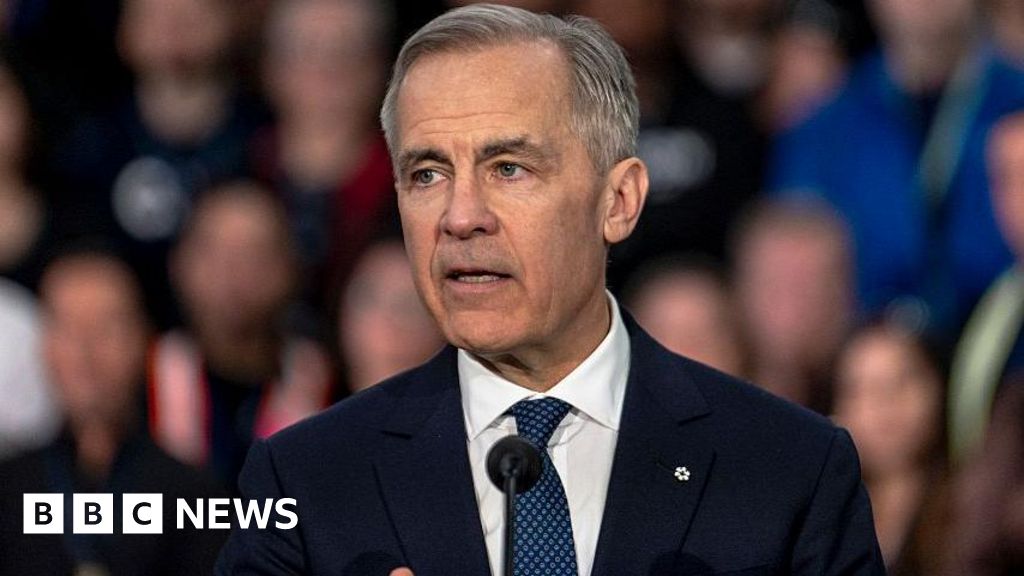
Alberta Conservative MP Matt Jeneroux crossed the floor to join Prime Minister Mark Carney's Liberals, the third recent defection and pushing the governing party to 169 seats — three short of the 172 needed for a majority. Jeneroux, a three-term MP for Edmonton Riverbend, cited Carney's World Economic Forum speech and will serve as a special adviser on economic and security partnerships; two earlier Conservative defections (Chris d'Entremont, Michael Ma) and three vacant seats leave the parliamentary balance fluid. The development is politically significant and could influence policy direction (notably on international economic posture and the resource sector), but it is unlikely to be an immediate market-moving event absent concrete fiscal or regulatory actions.
Market structure: A defections-driven move toward a Liberal majority materially raises the probability (market-implied swing +15–25% over 3–6 months) that Ottawa can pass fiscal and trade bills without obstruction. Winners: large-cap Canadian exporters, infrastructure/utility-like midstream names (ENB, CNQ as a major producer proxy), and the TSX (EWC) if credibility/stability lifts risk appetite; losers: provincial-level resource producers if federal policy tightens or faces Alberta backlash. FX notes: a clearer federal mandate normally supports CAD (USD/CAD down 1–3% over 6–12 months) and steepens CA sovereign curve if fiscal loosening occurs.
Risk assessment: Tail risks include by‑election upsets (probability ~20% within 3 months), a high-profile ethics scandal, or a Trump administration trade shock that revives economic coercion concerns—each could swing CAD ±3–5% and TSX ±6–12% rapidly. Immediate (days): negligible market move; short-term (weeks–months): seat math, by‑elections and budget details; long-term (quarters–years): regulatory shifts on energy, carbon pricing, and defense procurement. Hidden dependency: Alberta vs federal tensions—provincial pushback could lead to retroactive royalty/tax policy noise, compressing upstream valuations.
Trade implications: Tactical: favor 2–3% long exposure to Canada via EWC (expect 6–10% upside if majority solidifies in 6–12 months) and 2% long ENB (NYSE: ENB) for regulated cashflow protection; express commodity upside with a 1–2% long position in CNQ (NYSE: CNQ) as a producer lever. Use FX to play policy clarity: buy CAD via short USD/CAD spot or buy 3‑6 month USD/CAD puts sized to 1–2% NAV; hedge duration by shorting CA 10y futures or buying 3–6 month BEI protection if budget signals material deficit expansion (>$10B).
Contrarian angles: Consensus underestimates the risk that a narrow majority invites aggressive fiscal/green policy that triggers provincial resistance and legal fights—this could transiently de-rate resource producers by 10–20% if signaling tightens. Conversely, markets may overprice political risk now; small, disciplined long positions in regulated midstream (ENB) and CAD carry favorable downside protection. A useful pair: long ENB (stable fees) vs short high‑beta oil producers (e.g., SU/CNQ producers) if federal policy rhetoric on carbon intensifies; reprice or exit if Liberals hit 172 seats or by‑election surprises change probabilities by >10%.
AI-powered research, real-time alerts, and portfolio analytics for institutional investors.
Request DemoOverall Sentiment
neutral
Sentiment Score
0.00
