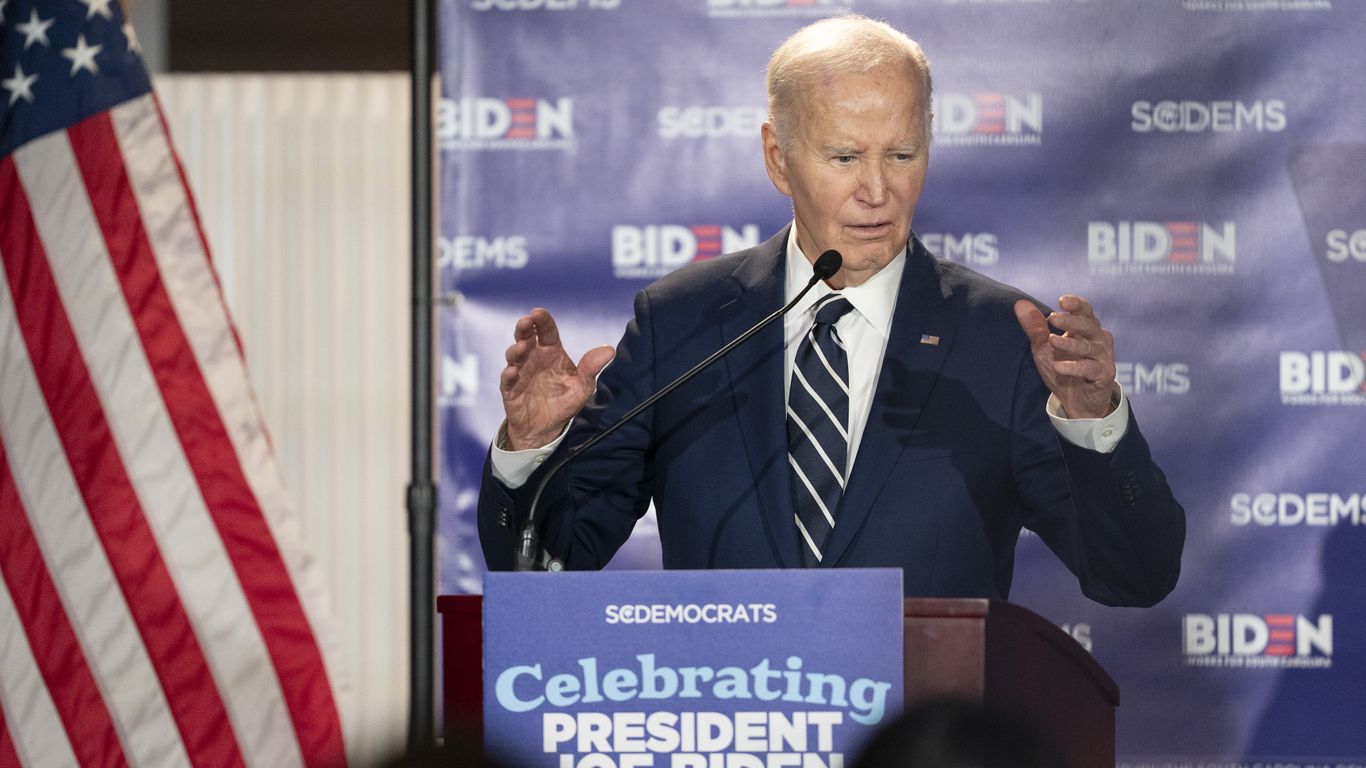
Former President Biden filed a federal lawsuit to block the DOJ from releasing audio recordings and transcripts of private conversations with his biographer, with a June 15 disclosure planned to Congress and the Heritage Foundation. The material is tied to special counsel Robert Hur's investigation into Biden's handling of classified documents and his memory lapses during questioning. The article is primarily legal and political in nature, with limited direct market impact.
This is less a conventional political headline than a live stress test for institutional access to sensitive information. The immediate market impact is muted, but the second-order effect is that the dispute keeps classified-documents risk embedded in the election narrative and raises the probability of further headline-driven volatility in October implied volatility for broad market proxies and media-adjacent names. The legal process itself also creates a recurring catalyst calendar: DOJ production, injunction rulings, and potential appellate steps can each re-open the issue over the next 1-6 months. The key winner is not any single company but the ecosystem that monetizes political uncertainty: legal media outlets, polling/data providers, and event-driven options desks. The loser is the Biden brand, but the more important market consequence is asymmetric downside for Democratic down-ballot fundraising if the story reinforces competence concerns; that can matter for sectors sensitive to regulation, antitrust, and drug pricing where a weaker White House generally reduces policy aggressiveness. In other words, the trade is not directional on equities today, but on the probability distribution of policy outcomes into Q4. The contrarian angle is that this may be over-read as a criminal-risk escalation when the real issue is reputational containment. If courts limit disclosure or the material is heavily redacted, the event decays quickly and the premium in election hedges should come out. The tail risk is the opposite: unredacted audio would create a renewed narrative of memory/intent that could materially increase odds of a late-cycle campaign shakeup, widening volatility in rates and healthcare/regulated sectors for several weeks. For now, the highest-conviction setup is to own optionality rather than delta: use short-dated hedges around dates tied to the June 15 release and any court hearings, then fade into strength if judicial relief appears likely. The time horizon is days to weeks for the headline trade, but months if the case becomes a proxy for broader governance/fitness concerns.
AI-powered research, real-time alerts, and portfolio analytics for institutional investors.
Request DemoOverall Sentiment
neutral
Sentiment Score
-0.05
