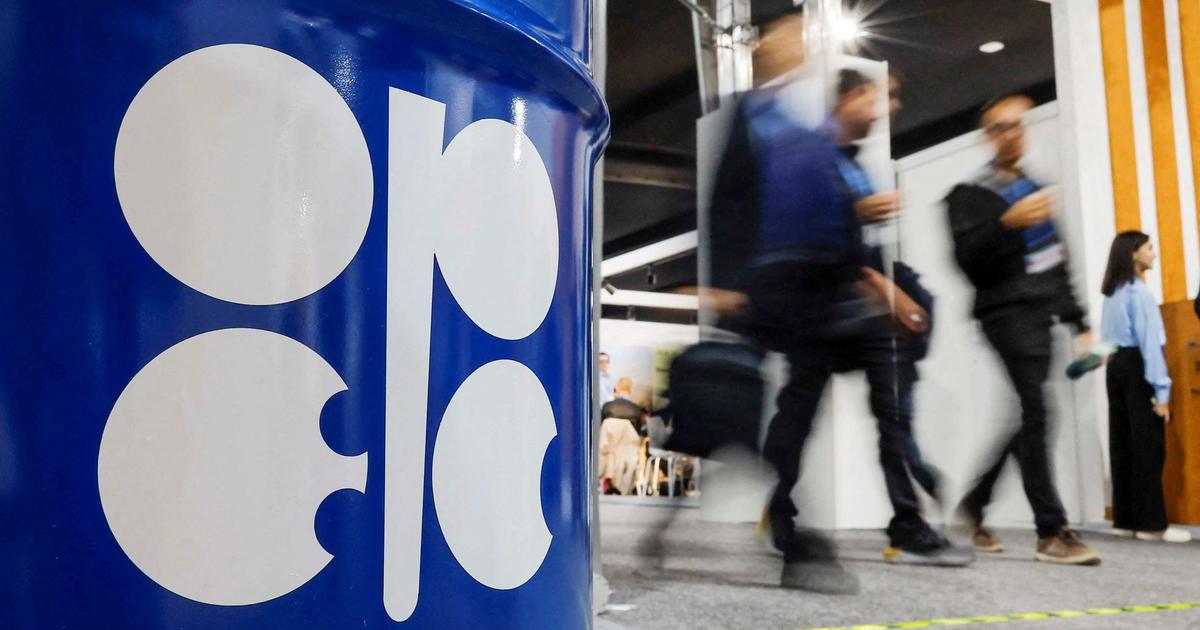
The UAE’s planned exit from OPEC underscores a deeper rift with Saudi Arabia and comes amid closed Strait of Hormuz shipping routes that limit Gulf producers’ ability to meet output targets. Near term, oil markets may look through the announcement, but the longer-term implications are bearish for OPEC cohesion and supportive of UAE efforts to maximize crude sales and pursue more independent policymaking. The move signals further regional fragmentation following disputes over Sudan and Yemen and could deepen geopolitical tensions in the Gulf.
The immediate market read-through is low, but the medium-term implication is a weakening of the informal producer discipline that has kept marginal barrels off the market. That matters less for prompt Brent than for the shape of the curve: if Gulf supply constraints ease before a broader resolution of the regional security shock, the market can move from panic scarcity to a more nuanced “who controls optionality” regime, which tends to pressure near-dated volatility first and flat prices second.
The deeper second-order effect is competitive, not just geopolitical. The UAE is signaling that it will optimize its own revenue and logistics stack even if that fragments collective pricing power, which should incrementally improve the bargaining position of other non-OPEC supply sources over the next 12-24 months if buyers start discounting cartel cohesion. Saudi Arabia is the key loser because any perceived loss of command over Gulf policy undermines its ability to anchor expectations across energy, capital inflows, and regional security.
The key tail risk is a reversal in regional risk premia rather than a supply-driven collapse: if the security situation de-escalates quickly, this becomes a governance story instead of an energy shortage story, and crude could give back a meaningful chunk of the geopolitical premium within days to weeks. Conversely, if disruption persists, the UAE’s move may accelerate a broader erosion of quota compliance and amplify price dispersion across grades and routes over several quarters.
Consensus is likely underestimating how much this strains the architecture of future production restraint. Even if volumes cannot change immediately, credibility can, and oil is often priced on anticipated discipline more than current barrels; that means the biggest beneficiary may be producers outside the Gulf with flexible growth and lower political friction, while integrated majors remain the cleaner way to express a moderation in long-duration policy risk rather than a one-day headline fade.
AI-powered research, real-time alerts, and portfolio analytics for institutional investors.
Request DemoOverall Sentiment
mildly negative
Sentiment Score
-0.25
