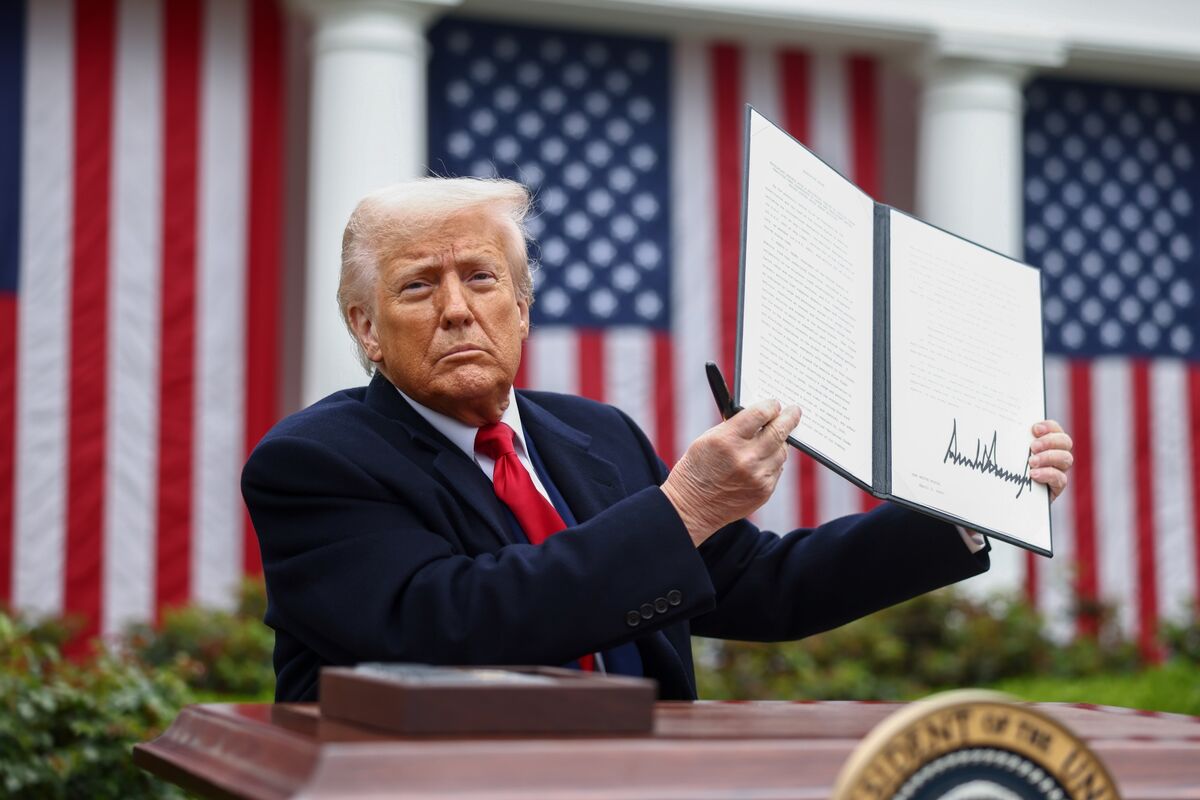
Legal experts are questioning the legality of President Trump's tariffs, arguing that the Constitution grants Congress, not the President, the power to impose tariffs. While the International Emergency Economic Powers Act of 1977 (IEEPA) allows the President to regulate imports during a national emergency, it is debated whether this power extends to imposing tariffs, potentially exceeding executive authority.
The legality of tariffs enacted by presidential executive order, specifically those under President Trump, is under scrutiny due to fundamental U.S. constitutional provisions that grant Congress the power to impose tariffs and regulate foreign commerce. While the International Emergency Economic Powers Act of 1977 (IEEPA) permits the president to regulate imports during a declared national emergency, there is significant debate whether this authority extends to the broad imposition of tariffs, as distinct from other forms of import regulation. This legal challenge, reflected in the provided signals as a 'moderately negative' sentiment and an 'uncertain' tone with a 'market_impact_score' of 0.55, introduces considerable uncertainty regarding the durability and legitimacy of these trade measures. The core issue revolves around whether the executive branch has overstepped its constitutional bounds, creating potential instability in trade policy and for entities affected by these tariffs.
AI-powered research, real-time alerts, and portfolio analytics for institutional investors.
Request DemoOverall Sentiment
moderately negative
Sentiment Score
-0.50
