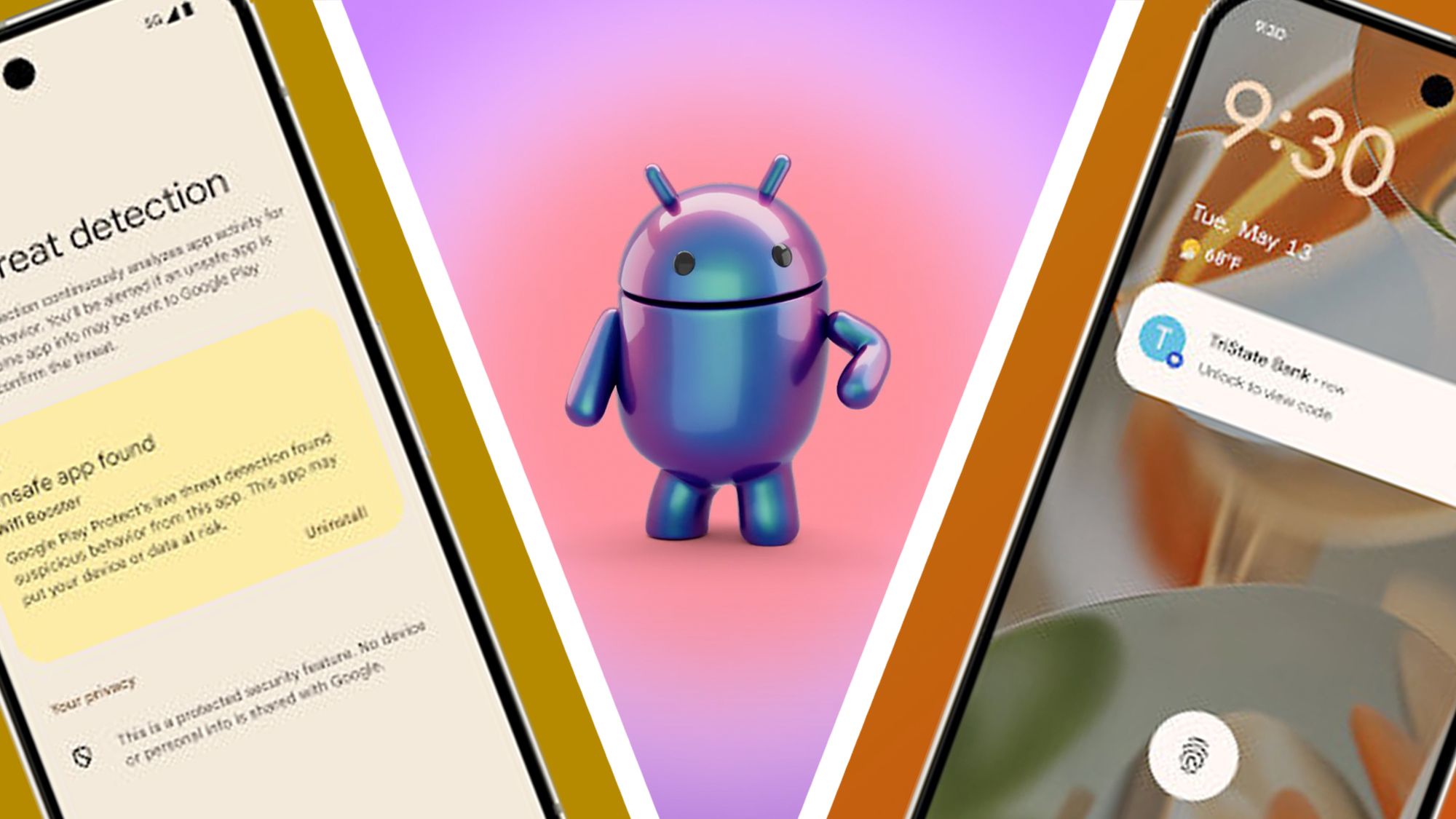
Google has confirmed The Android Show: I/O Edition for May 12 at 10am PT / 1pm ET, with several Android 17 features likely to be highlighted, including Motion Assist, native app lock, more blur-heavy UI effects, a double-tap screen-off gesture, and improved home screen organization. The article is largely speculative but suggests Google is preparing a meaningful Android refresh, with possible further AI integration via Gemini. Market impact should be limited unless the event delivers unexpected product or AI announcements.
GOOGL’s setup here is less about the named features and more about cadence: a pre-I/O Android reveal lets Google shape the narrative before Apple’s WWDC cycle and before hardware partners lock summer launch windows. If the showcase is genuinely AI-forward, the second-order winner is Google’s distribution moat: tighter OS-level assistant hooks raise switching costs and give Search/Ads more surface area for context-aware monetization, even if near-term revenue impact is modest.
The underappreciated competitive effect is on Android OEM differentiation. Features like native app locking, smarter organization, and gesture shortcuts are parity-closing moves that compress the advantage of Samsung/Xiaomi/OnePlus skins, which have used utility features to justify premium pricing and ecosystem stickiness. That is mildly negative for OEMs that rely on software deltas, but positive for Pixel if Google can make the OS feel more “finished” and reduce the perceived need for third-party tools.
The biggest risk is disappointment versus AI hype. If the event is mostly incremental UI polish and a few beta features, the market may treat it as table stakes rather than a catalyst, especially with no obvious direct monetization line. Conversely, any credible demo of agentic Android behavior across apps would matter over a 6-12 month horizon because it shifts Google from feature parity toward workflow ownership, which is the real strategic prize.
From a trading perspective, this is a low-visibility catalyst for GOOGL rather than a standalone earnings driver. The setup is asymmetric only if the reveal reframes Android as an AI distribution layer; otherwise, the move should fade after the event. AAPL is only indirectly affected, but any strong Google on-device AI narrative could pressure Apple’s relative premium if investors start pricing a wider gap in practical assistant utility.
AI-powered research, real-time alerts, and portfolio analytics for institutional investors.
Request DemoOverall Sentiment
neutral
Sentiment Score
0.15
Ticker Sentiment
