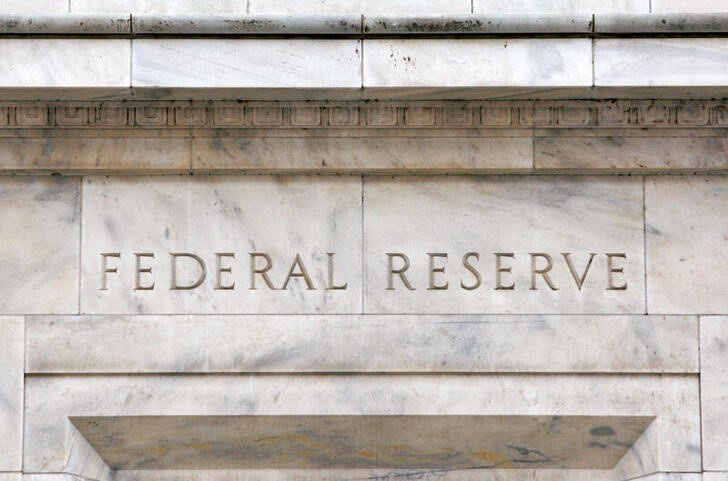
Wall Street declined as the geopolitical risk premium rose after renewed U.S.–Iran tensions, pushing Brent crude briefly above $80/bbl for the first time in over two weeks. The Fed’s June minutes showed elevated uncertainty on the interest-rate outlook and a hawkish dot plot (half of projection contributors expecting rate hikes this year), alongside Warsh’s move to a shorter statement and removal of forward guidance. Offsetting factors included an interim U.S.–Iran peace deal and reopening of the Strait of Hormuz, but fresh strikes reignited inflation concerns via a spike in oil prices.
The market impact is less about the first oil print and more about the regime shift in the inflation path. A renewed energy shock forces the Fed back into a harder-for-longer posture, which is negative for anything priced off terminal rates or long-duration cash flows: software/semis, levered growth, and any company relying on cheap refinancing. In this setup, the first-order move in Brent matters less than whether 2-5y breakevens, front-end yields, and bank funding costs keep rising over the next 2-6 weeks.
The cleaner losers are rate-sensitive balance sheets with weak credit visibility. Regional banks with CRE or consumer exposure can face a bad mix of higher deposit betas and worsening borrower stress if gasoline and utilities eat household cash flow; that argues for caution on OZK and, by extension, the regional-bank complex rather than a broad bullish read on higher rates. For SNDK-style long-duration hardware/semis, the risk is multiple compression before any real earnings hit; these names can underperform even if the oil move ultimately fades.
Contrarian view: this may be a headline-driven inflation scare that is more transitory than the market is pricing. Oil spikes tied to a single geopolitical flare-up often reverse faster than CPI does, so the more important tell is whether shipping insurance, tanker rates, and nearby crude spreads stay elevated for multiple sessions. If they do not, the hawkish repricing should unwind quickly, making the current risk-off move a better short-term fade than a structural trend.
The key catalyst path is 1-3 months: Fed speakers, inflation breakevens, and crude follow-through will determine whether the market starts pricing another hike or merely a higher-for-longer pause. Falsification is simple: Brent back below the low-70s on de-escalation, or a softer inflation print that proves the oil impulse is not passing through to core services. Until then, the asymmetry favors defensive positioning over chasing cyclicals or duration-heavy tech.
AI-powered research, real-time alerts, and portfolio analytics for institutional investors.
Request DemoOverall Sentiment
mildly negative
Sentiment Score
-0.25
Ticker Sentiment
