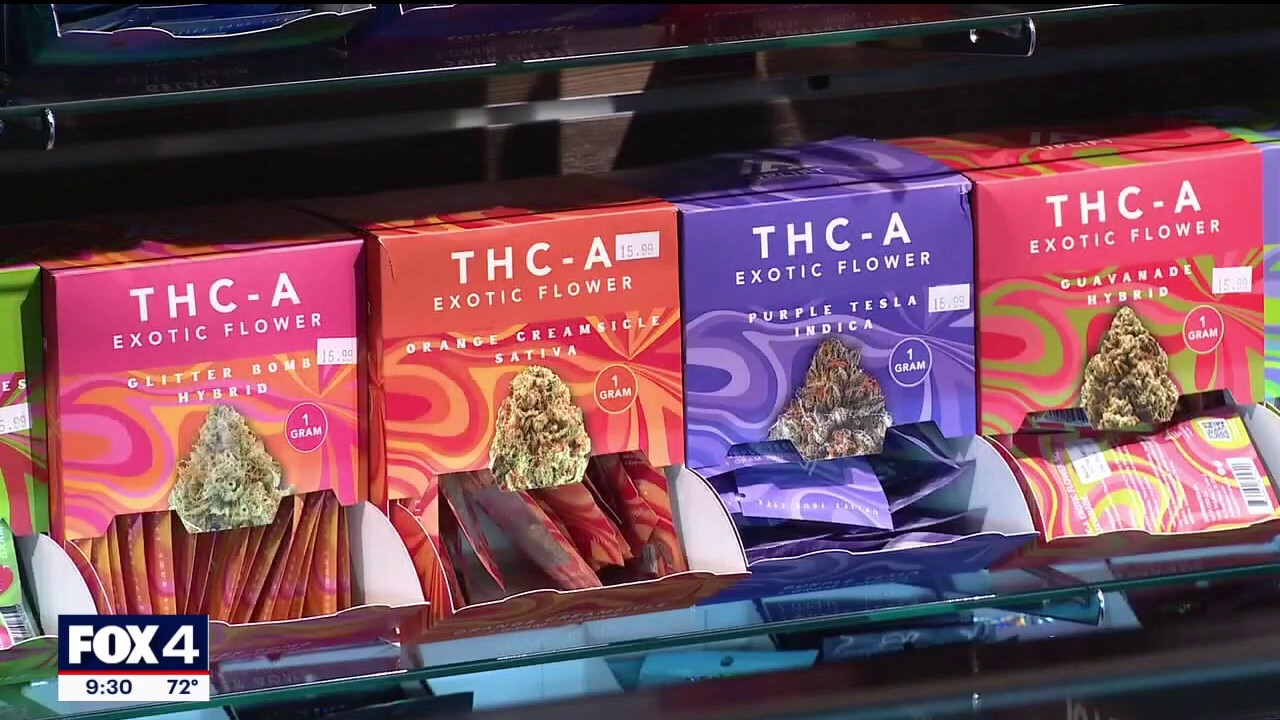
A Texas judge issued a 2-week temporary restraining order pausing the state’s THC ban changes, allowing smokable hemp products to remain on shelves for now. The lawsuit argues regulators effectively made smokable hemp nearly impossible to produce legally, potentially cutting 80% to 90% of the market and putting close to 40,000 jobs at risk. The next hearing is set for April 23, leaving the industry in a short-term but highly uncertain position.
This is less a demand story than a sequencing story: the near-term beneficiary is the existing gray-zone distribution network, while the medium-term winner is whichever legal/regulatory framework can lower compliance friction without collapsing product margins. The market is underestimating how quickly shelves can refill after a court pause; inventory that was stranded can be monetized in days, but capital expenditures, testing, and labeling decisions remain frozen, so operators are unlikely to rehire or restock aggressively until legal clarity improves.
The second-order effect is consolidation. Smaller hemp retailers that rely on smokable SKUs will remain structurally fragile because legal uncertainty raises their cost of capital, insurance, and landlord risk, whereas better-capitalized multi-state operators and adjacent convenience/smoke-shop distributors can absorb stop-start regulation. If the state ultimately succeeds on narrower rules, expect an immediate hit to the lowest-quality names and a relative gain for vertically integrated participants that can shift mix toward beverages, edibles, and wellness products with lower legal beta.
The overlooked risk is political whiplash over the next 2-6 weeks: a TRO pause can create a false sense of durability, but a negative ruling or emergency legislative fix would reprice the entire channel quickly. The bigger bear case is not just lost revenue; it is working-capital impairment, as wholesalers carrying inventory into a banned regime could face write-downs and forced liquidation. Conversely, if the injunction survives into the next hearing cycle, the market will likely pivot from 'ban risk' to 'regulatory normalization,' which is bullish for the broader hemp supply chain and negative for black-market substitution.
From a trading perspective, this is best expressed as a short-vol or event-driven setup in the most exposed consumer/distribution names rather than a broad thematic long. The asymmetric move is around the legal calendar: the next 2-3 weeks carry high gap risk, while the medium-term outcome remains binary and heavily path-dependent on court and political actions.
AI-powered research, real-time alerts, and portfolio analytics for institutional investors.
Request DemoOverall Sentiment
neutral
Sentiment Score
0.05
