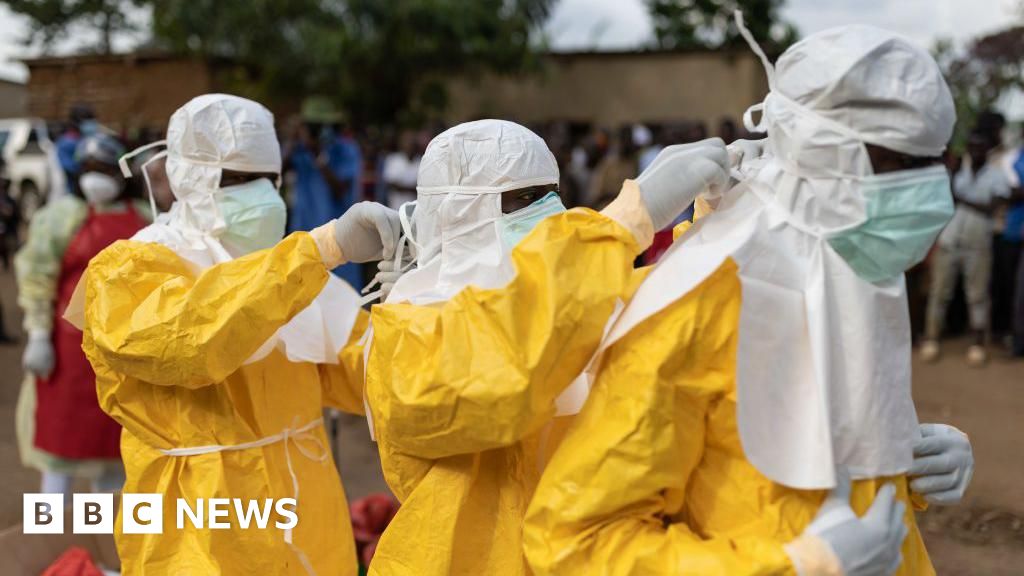
The DR Congo Ebola outbreak has almost 250 suspected cases and 80 deaths, with transmission detected only after several weeks and an international public health emergency declared. The strain is the rare Bundibugyo species, for which there are no approved vaccines or targeted drug treatments, complicating containment efforts. While global spillover risk remains low, the outbreak is occurring in a conflict-torn and highly mobile region, raising the chance of a larger-than-reported spread.
The market impact is less about direct exposure to Ebola and more about operational friction in a fragile frontier economy. The second-order winners are firms with control over cold-chain logistics, private medical transport, security, and remote diagnostics; the losers are businesses dependent on high-velocity labor mobility in eastern Congo, especially mining contractors, local consumer distributors, and border-sensitive transport links. The key issue is that even a contained outbreak can raise transaction costs across the region by forcing checkpointing, work stoppages, and a temporary premium on firms that can keep staff and inventory moving safely.
The biggest risk is not global contagion, but a delayed escalation over the next 2-6 weeks if case finding lags the infection curve. In this kind of environment, the tail event is not medical system collapse alone; it is compounding disruption from displacement, mistrust, and hospital avoidance, which can turn a local health event into a regional logistics problem. If case confirmation expands materially, expect a sharper hit to local miners, small-cap EM transport, and insurance/reinsurance sentiment tied to humanitarian and political instability rather than direct pandemic losses.
Consensus is likely underestimating how much the absence of robust diagnostics changes the tradeable setup. When testing is unreliable, the response tends to overshoot: more quarantines, slower cross-border traffic, and a heavier burden on adjacent health systems, even if the outbreak never becomes globally significant. That makes this a volatility event for frontier risk premia, not a pandemic-duration macro shock; the best expression is to own the operational winners and fade broad EM panic if infection growth does not accelerate within one reporting cycle.
The contrarian read is that the headline risk may be large enough to justify preparedness spending without justifying a full-risk-off move in global healthcare or travel equities. Historically, markets overprice a Covid-style spillover and underprice the local infrastructure and services beneficiaries that monetize response budgets. The right lens is duration: if containment gains traction within weeks, the trade should mean-revert quickly; if not, the issue becomes a multi-month drag on eastern Congo activity and a higher-probability humanitarian intervention trade.
AI-powered research, real-time alerts, and portfolio analytics for institutional investors.
Request DemoOverall Sentiment
strongly negative
Sentiment Score
-0.50
