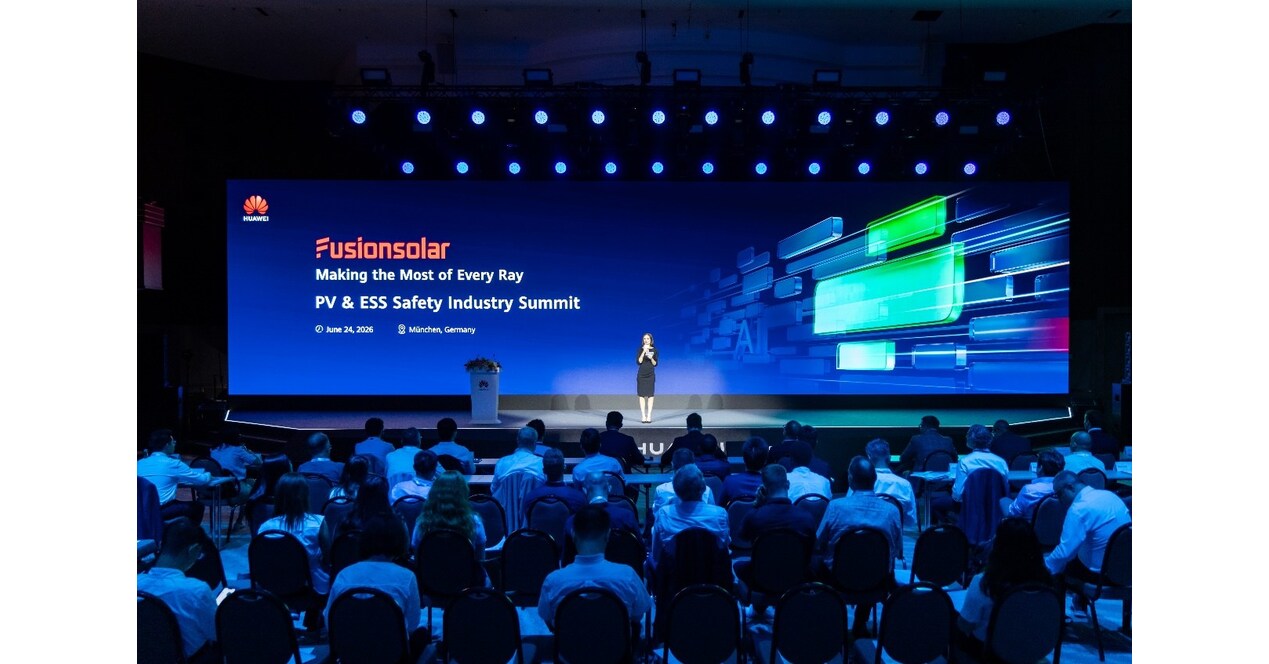
À Intersolar Europe 2026, Huawei Digital Power a organisé un sommet à Munich (24 juin) pour renforcer les normes de sécurité des systèmes PV+ESS et combler les lacunes de couverture d’assurance et de partage de données d’essais (p. ex. UL 9540A). Le sommet souligne que la capacité totale de BESS en Allemagne atteint 19 GW, tout en avertissant que le secteur doit surmonter des contraintes réglementaires et améliorer les cadres d’évaluation quantitative du risque via une approche « sécurité dès la conception » et des alertes précoces basées sur l’IA. Un livre blanc sur la sécurité des ESS pour la stabilisation du réseau a été publié, proposant un cadre d’évaluation, des systèmes de tests attaque/défense et des voies de numérisation.
The economic payload here is not the safety narrative itself but the potential re-pricing of bankability. If insurers start requiring standardized thermal-runaway data and broader installation-level testing, the cost of capital for grid-scale storage rises first for smaller OEMs and merchant developers, not for the best-capitalized incumbents. That creates a medium-term moat for vendors that can prove low-loss performance and push through utility procurement with fewer warranty carve-outs.
WTW is a potential indirect beneficiary because this kind of framework expands the role of brokers, risk engineers, and loss-control advisors, but the revenue lift is likely slow and fee-based rather than step-function. The more interesting second-order effect is on project economics: higher premiums and stricter siting rules can compress IRRs enough to delay final investment decisions on standalone BESS, shifting demand toward co-located projects or systems with lower fire severity. That tends to disadvantage pure-play storage names with weaker balance sheets and limited insurance transparency.
Contrarian view: the market may be overestimating how quickly this turns into real dollars. Codes, insurer guidelines, and lender covenants usually lag industry conferences by quarters, and one more summit does not equal a hard regulatory regime. The immediate risk is still headline-driven sentiment, but the real catalyst is an actual loss event or a notable premium reset over the next 1-3 months; absent that, this is more of a 6-18 month underwriting story than a near-term earnings driver.
AI-powered research, real-time alerts, and portfolio analytics for institutional investors.
Request DemoOverall Sentiment
neutral
Sentiment Score
0.05
Ticker Sentiment
