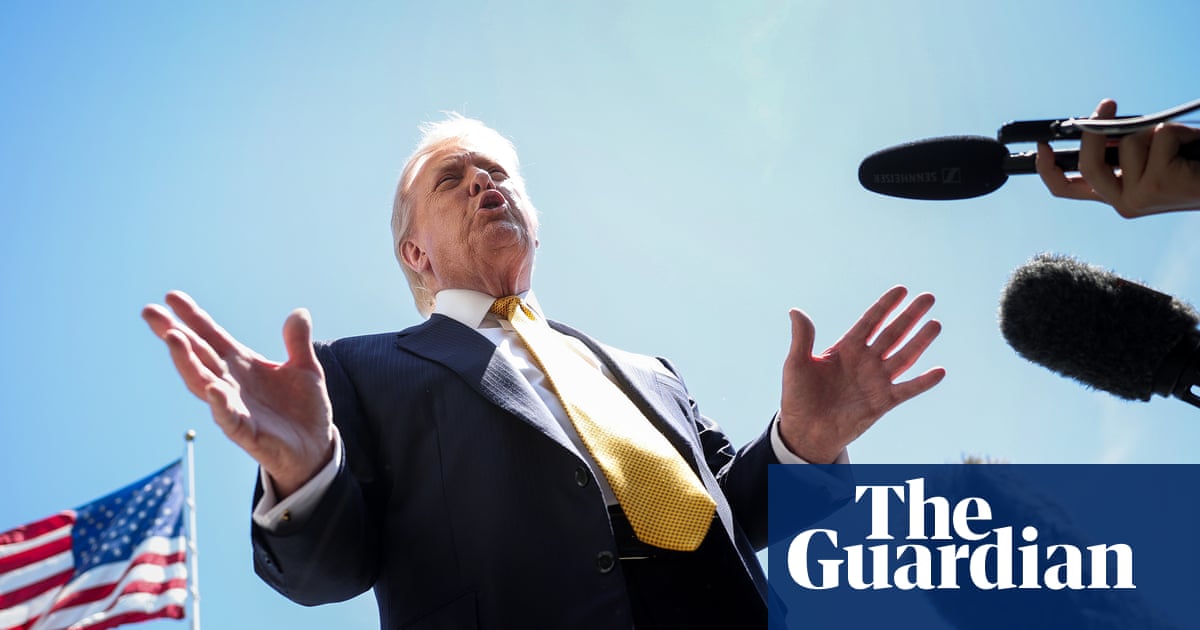
US inflation rose 3.8% in April, the fastest pace since 2023, as energy costs surged after the war on Iran pushed gasoline above $4.50 a gallon and lifted food, utility and airfare prices. Trump signaled he is focused on preventing Iran from obtaining a nuclear weapon rather than near-term US consumer pain, even as affordability concerns build ahead of the midterm election campaign. The article points to a broad market-wide inflation and energy shock with major implications for consumers, expectations and risk assets.
The market is getting a classic policy-misalignment setup: the administration is optimizing for geopolitical credibility, while the electorate is pricing grocery and fuel pain on a weekly cadence. That mismatch usually widens the gap between rhetoric and asset prices for a few weeks, but not for months if inflation expectations begin to re-anchor higher. The key second-order effect is that energy remains the only macro input with enough speed to hit consumer sentiment before the next major political checkpoint, so the probability distribution is skewed toward policy reversal talk, not necessarily policy reversal itself.
The winners are the upstream cash generators and energy-service names with short-cycle leverage, but the cleaner trade may be in airlines, transport, and consumer discretionary as margin compression becomes visible into the next earnings cycle. The pass-through chain matters: if fuel stays elevated, smaller carriers and freight operators lose pricing power first, then restaurants and low-end retail feel demand destruction with a lag of 1-2 quarters. That creates a more asymmetric short opportunity in cyclicals than a simple long energy bet, because energy has already repriced part of the shock while downstream earnings multiples have not.
A contrarian risk is that the market is underestimating how quickly diplomatic signaling can collapse the risk premium if even a partial de-escalation path emerges. In that case, crude can mean-revert fast and unwind the inflation narrative faster than consensus expects, especially if positioning is crowded in energy and inflation hedges. The timing matters: over the next 2-6 weeks, headlines and policy talk can dominate; over 2-3 months, realized CPI and household sentiment will determine whether this becomes a political problem large enough to force a reversal.
The highest-conviction setup is not a pure directional oil trade, but a barbell: long cash-generative energy with short duration and short consumers most exposed to fuel pass-through. If the war narrative persists, the pair should widen as downstream margins compress; if it de-escalates, the long can be trimmed quickly while the short still benefits from slower demand normalization. The trade should be structured for event-driven volatility, not static beta.
AI-powered research, real-time alerts, and portfolio analytics for institutional investors.
Request DemoOverall Sentiment
moderately negative
Sentiment Score
-0.35
