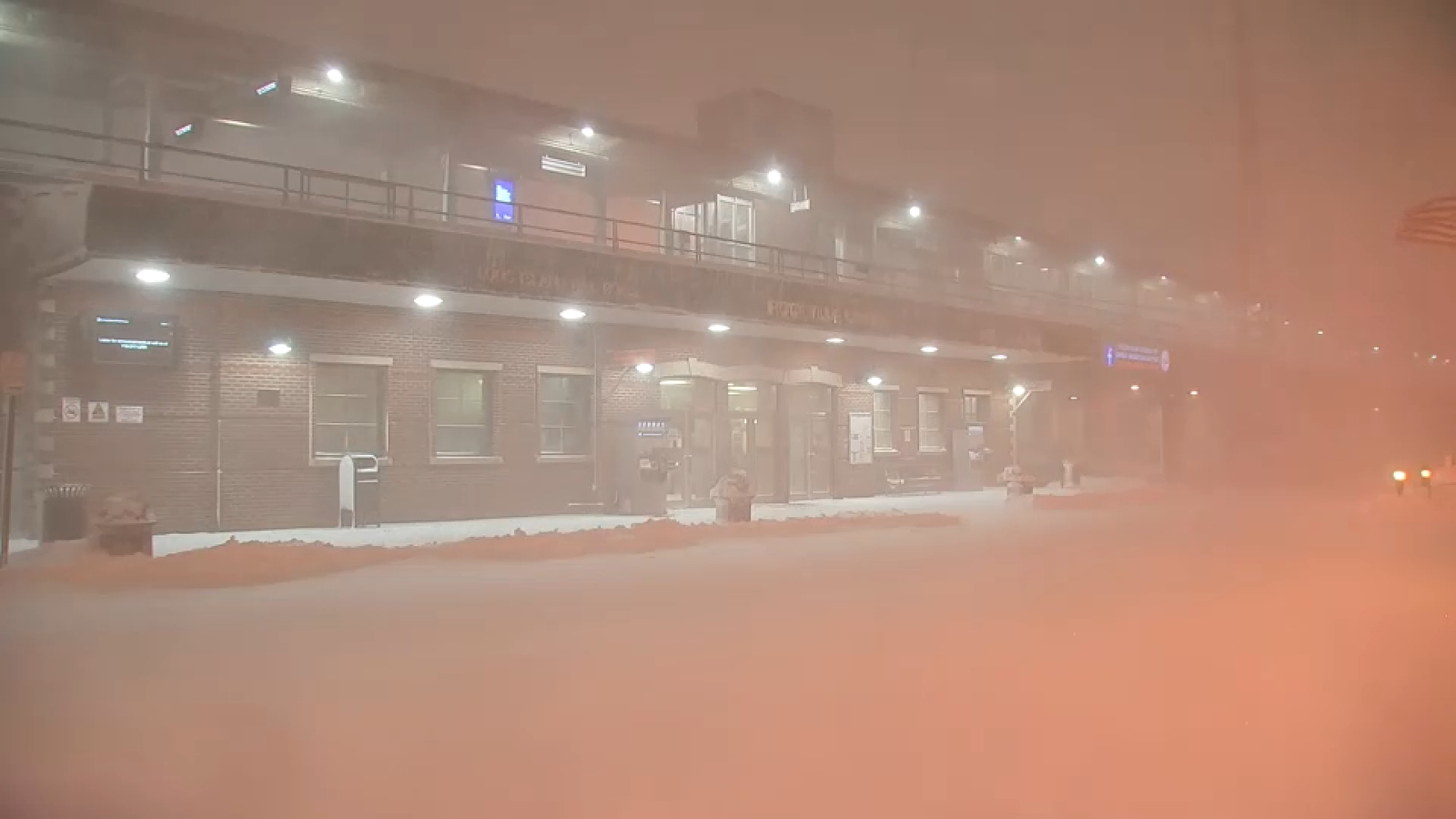
A powerful blizzard threatens up to two feet of snow across Nassau and Suffolk counties with coastal flooding risks, prompting New York to declare 22 counties in a state of emergency and Gov. Kathy Hochul to activate 100 National Guard members. Major operational disruptions include a full suspension of LIRR service until conditions permit, a Suffolk County travel ban from 9 p.m. Sunday to 9 p.m. Monday, and utility crews staged for potential outages; Nassau is deploying 75 plow/salt trucks. The event elevates near-term operational and local economic risk for transit operators, utilities, regional insurers, and supply-chain/logistics providers servicing Long Island and the Tri-State area.
Market structure: Immediate winners are home-improvement retailers (HD, LOW) and infrastructure/restoration contractors (Quanta PWR, AECOM ACEM) due to surge in emergency purchases, diesel/heating oil demand and emergency repair work; losers are Northeast regional transport (DAL, LUV hubs), coastal municipal balance sheets (Nassau/Suffolk) and P&C insurers (TRV, ALL) from property/flood claims. Pricing power shifts toward short-cycle goods (generators, fuel, salt) where inventories are limited; local labor and diesel constraints can push service rates +10–20% for 1–4 weeks in impacted counties. Risk assessment: Tail risk includes severe coastal flooding akin to Sandy (>1,000 homes severely damaged) triggering reinsurance spikes and municipal liquidity events; probability low (<5%) but impact high (insurer earnings hit >10% and muni spreads widen 50–150bp). Time horizons: immediate (0–7 days) = operational disruptions and heating fuel price spikes; short-term (1–3 months) = insurance loss reserving, contractors revenue; long-term (6–24 months) = local capex on resiliency and potential insurance premium repricing. Hidden dependencies: substation/coastal telecom outages and port/rail choke-points that could cascade to supply chains; model updates and FEMA/state aid will be decisive catalysts. Trade implications: Tactical longs: HD/LOW and PWR for 1–6 week windows to capture retail and repair demand; tactical natural gas/heating oil long (UNG or short-dated HO futures/call spreads) for 2–4 week spike capture. Shorts/hedges: short Northeast-exposed airline names (DAL) or buy near-term OTM puts for 3–10 trading days; buy 3-month OTM puts on TRV/ALL if market prices >5% downside anticipating reserve increases. Pair trade: long HD (2%) vs short DAL (0.75%) for 1–3 weeks to express consumer-rebuild vs travel disruption. Contrarian angles: Consensus will overstate insurer long-term damage from a single blizzard — winter storm losses have historically been <25% of hurricane events; if TRV/ALL decline >6% within 10 days, consider tactical accumulation for 3–12 month recovery. Underappreciated: construction/materials suppliers (CF, VMC) may see multi-quarter demand tailwinds from resiliency spending; unintended consequence of aggressive short-term road bans is delayed but larger concentrated demand post-storm (week 2–6) that can lift retailer/contractor revenues above initial estimates.
AI-powered research, real-time alerts, and portfolio analytics for institutional investors.
Request DemoOverall Sentiment
moderately negative
Sentiment Score
-0.40
