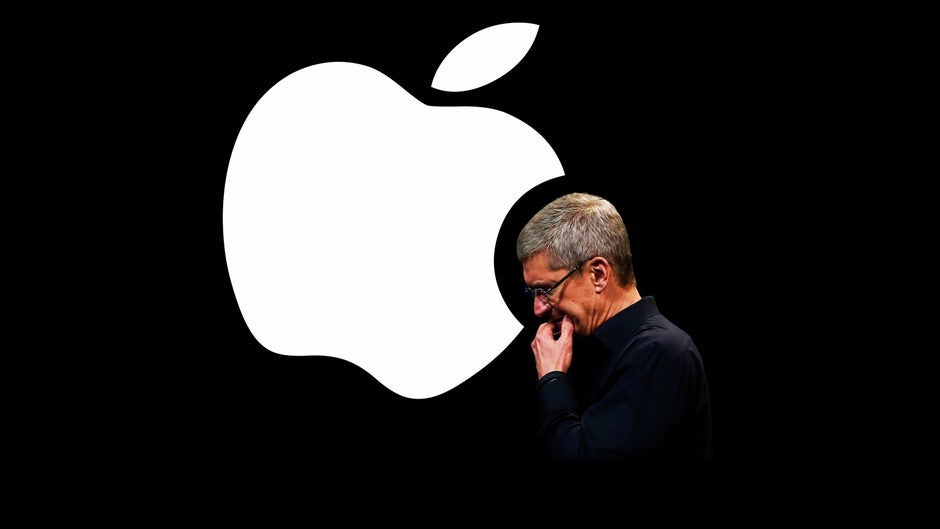
Apple is set to lose senior vice president of machine learning and AI strategy John Giannandrea this coming week, after eight years at the company. The departure follows continued Apple Intelligence and Siri setbacks, though the article frames the issues as partly stemming from Apple’s leadership structure rather than a personal failure by Giannandrea. The news is notable for Apple’s AI execution and management, but it is unlikely to be a major near-term stock driver on its own.
The market should read this less as a single executive departure and more as confirmation that Apple’s AI execution risk is structural, not personnel-specific. The key second-order effect is governance: if the company still routes major AI decisions through a narrow leadership bottleneck, then replacing the face of the effort does little to improve cycle time, model quality, or product integration. That means the real issue is not whether Apple can hire talent, but whether it can create an operating model that can absorb and iterate on external AI capability fast enough to matter.
For AAPL, the near-term downside is mostly reputational, but the medium-term risk is more dangerous: AI disappointment can start compressing the multiple if investors conclude the company is defending the premium ecosystem while ceding product leadership. The most vulnerable wedge is services engagement, because weak AI features reduce incremental device utility and make upgrade justification harder at the margin. If this persists into the next 2-3 product cycles, the market may begin to value Apple less like a platform monopoly and more like a mature hardware compounder with slower organic innovation.
The contrarian view is that this leadership cleanup may actually improve decision velocity if it removes ambiguity around ownership. A cleaner AI org chart could unlock faster integration across software layers, which matters more than raw model ambition for Apple’s user base. But that positive outcome requires evidence within 1-2 quarters; absent visible product traction, this reads as a management reset without operational change.
GOOGL is a subtle relative winner only if Apple’s AI delays keep consumers and developers anchored to Android/Google-native assistants and search experiences. The bigger beneficiary, however, is any company selling ‘AI-first’ differentiation against premium smartphones and laptops, because Apple’s stumble reinforces the idea that ecosystem moats do not automatically translate into AI leadership.
AI-powered research, real-time alerts, and portfolio analytics for institutional investors.
Request DemoOverall Sentiment
mildly negative
Sentiment Score
-0.15
Ticker Sentiment
