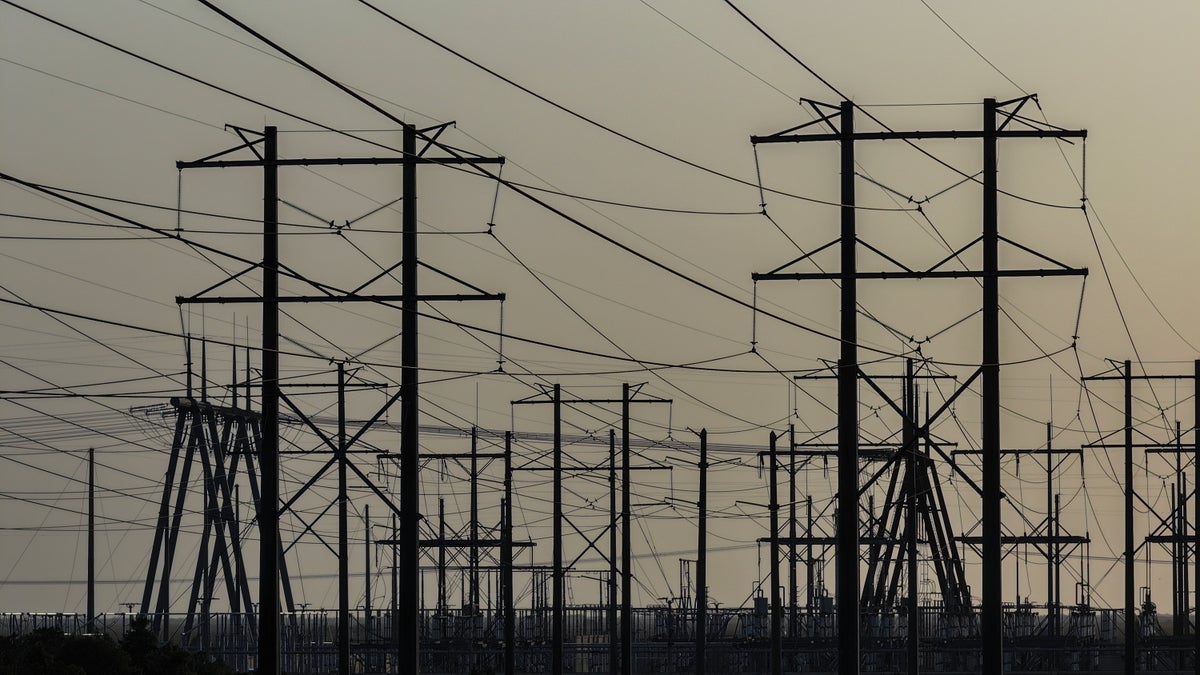
Commonwealth Fusion Systems has applied to join PJM Interconnection’s U.S. power grid, a notable step toward commercial fusion power and one of the first such applications by a fusion developer. The company plans its first plant, ARC, in Virginia in the early 2030s and aims to demonstrate SPARC in 2027, but major technical hurdles remain before fusion can reliably supply electricity at scale. The move is strategically important for the long-term energy transition, though near-term market impact is limited.
The market implication is not “fusion is here,” but that a pre-revenue infrastructure asset is being forced through the same bottlenecks as any conventional generator. That shifts the story from scientific optionality to utility-grade execution risk: interconnection studies, permitting, reliability standards, and supply-chain readiness now become the gating items, not just plasma physics. The near-term winners are therefore less the fusion pure-plays and more the picks-and-shovels stack: grid equipment, HV transformers, switchgear, power controls, and engineering firms that get paid regardless of whether the plant ever lights up.
Second-order, this is a marginal bullish signal for the entire U.S. power buildout theme because it reinforces that grid capacity is becoming scarce and valuable. Even if fusion never scales, every serious attempt to interconnect a large baseload source highlights the same bottlenecks that also constrain datacenters, semis, and electrification. That supports pricing power for transmission, substations, and utility-scale project developers over the next 2-5 years, while keeping pressure on incumbent generators in regions where future supply growth is already overbooked.
The contrarian read is that this is still a long-dated credibility milestone rather than an investable revenue event. The probability-weighted cash flow is tiny until a full integrated system runs repeatedly, clears safety review, and proves cost per MWh can compete with gas-plus-storage or advanced fission. Any slip in the 2027/early-2030s timeline would likely compress speculative private-market valuations first, with little immediate public-market impact beyond sentiment. The real tell will be whether procurement and interconnection spending accelerates now; if not, the announcement is mostly narrative, not economics.
AI-powered research, real-time alerts, and portfolio analytics for institutional investors.
Request DemoOverall Sentiment
mildly positive
Sentiment Score
0.25
