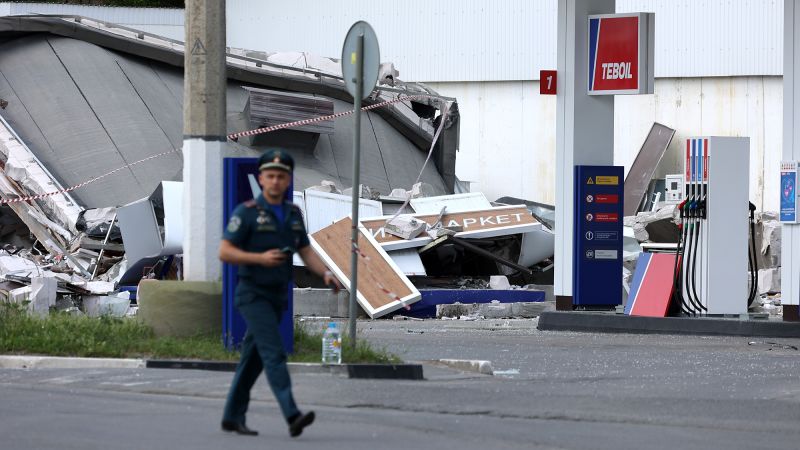
Russia has banned fuel exports, including some diesel, until the end of the year, citing severe domestic shortages exacerbated by Ukrainian drone attacks on its refineries and supply chains. This escalation, following previous partial bans, underscores the increasing pressure on Russia's energy infrastructure and its ability to meet internal demand, with the situation particularly acute in occupied Crimea where fuel rationing is occurring. As a major global diesel producer, this export prohibition carries significant implications for international supply dynamics and Russia's state revenues.
Russia has implemented a comprehensive ban on fuel exports until the end of the year, a significant escalation from partial bans in March and July, in response to severe domestic shortages. These shortages are a direct consequence of sustained and effective Ukrainian drone attacks on Russian energy infrastructure, including refineries, pumping stations, and a major facility in Bashkortostan operated by Gazprom (GZPRY). While Russian officials publicly describe the situation as a "slight shortage," reports from sources like Kommersant and on-the-ground social media channels indicate a far more critical scenario, with widespread fuel rationing, about half of Crimea's gas pumps non-operational, and a reported one-third increase in gasoline prices in the region over the last month. As one of the world's largest diesel producers, this export embargo not only highlights a critical vulnerability in Russia's domestic supply chain but also removes a key source of state revenue and threatens to tighten global diesel markets, a factor underscored by the high market impact score of 0.7.
AI-powered research, real-time alerts, and portfolio analytics for institutional investors.
Overall Sentiment
strongly negative
Sentiment Score
-0.80
Ticker Sentiment
